
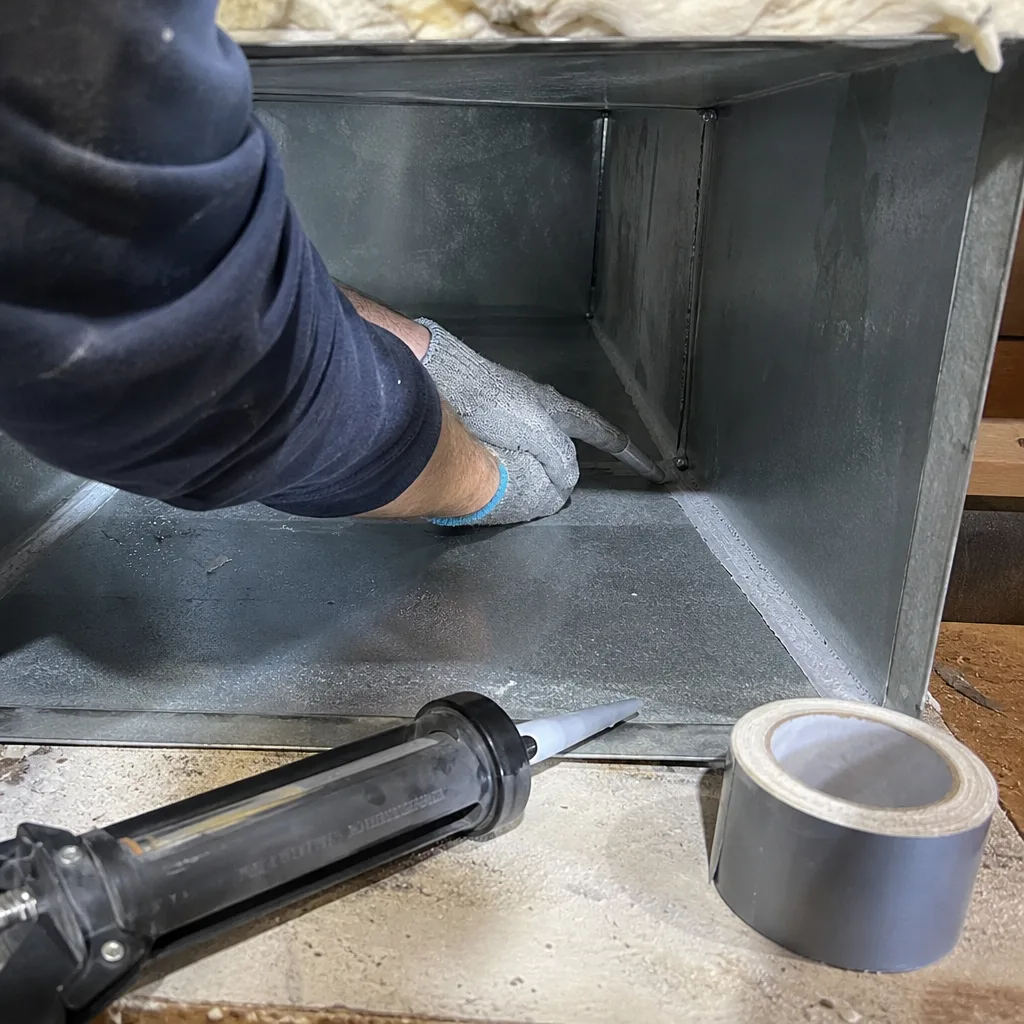
Last updated November 22, 2026
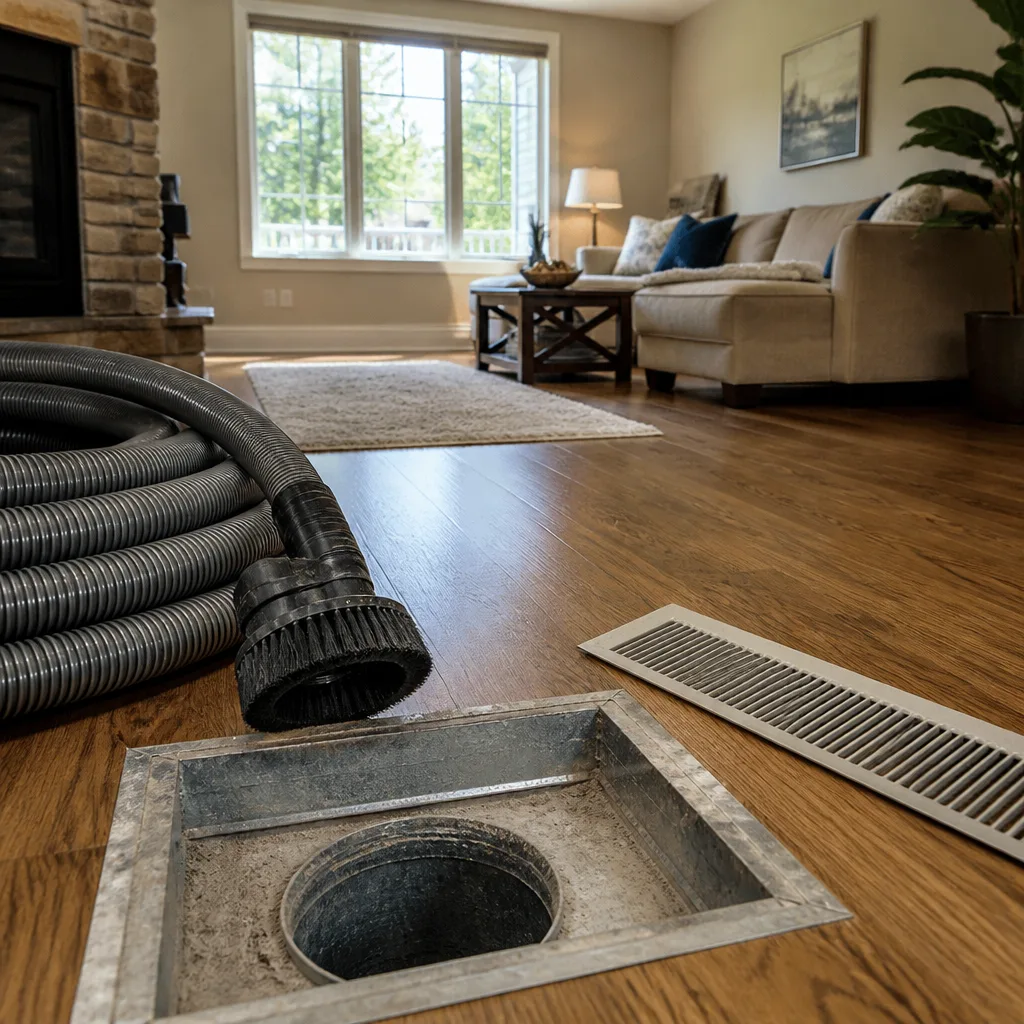 Whole-home duct cleaning
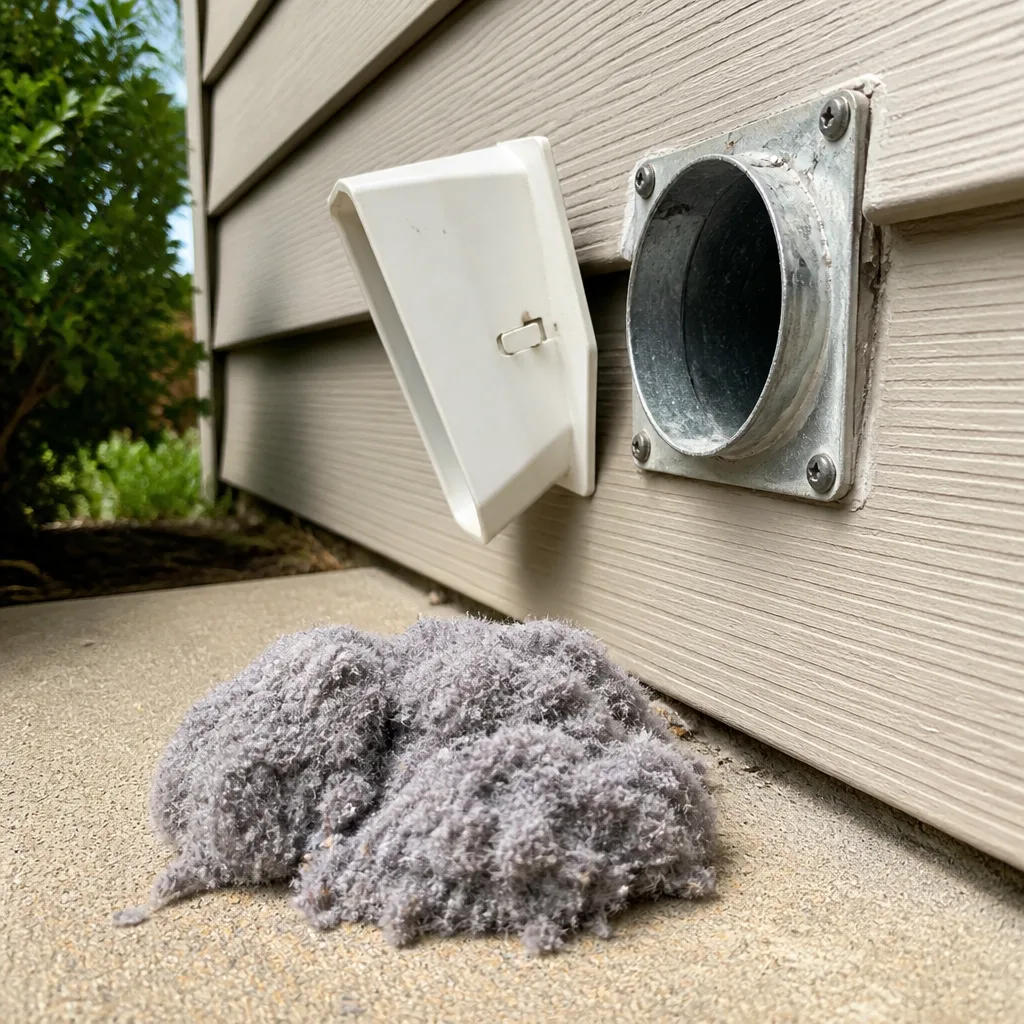 Dryer vent cleaning
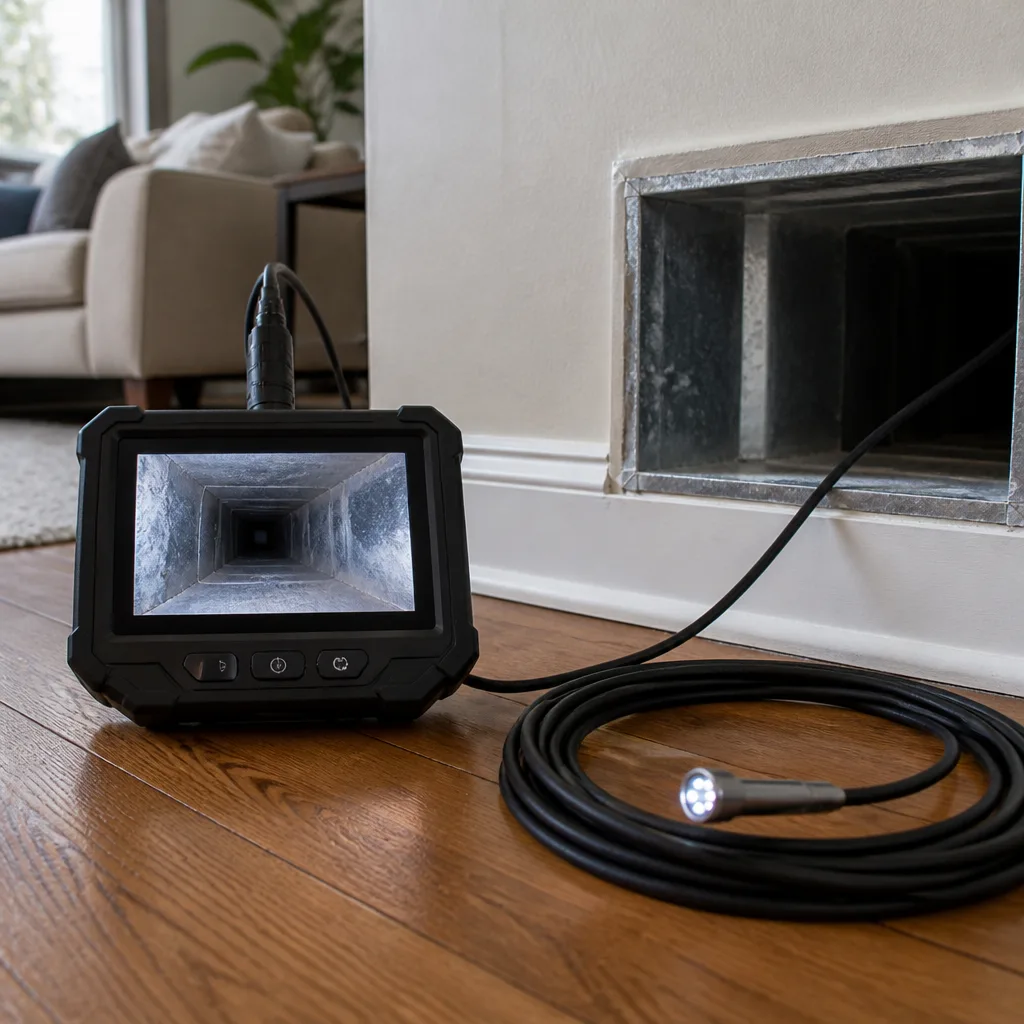 Camera inspection
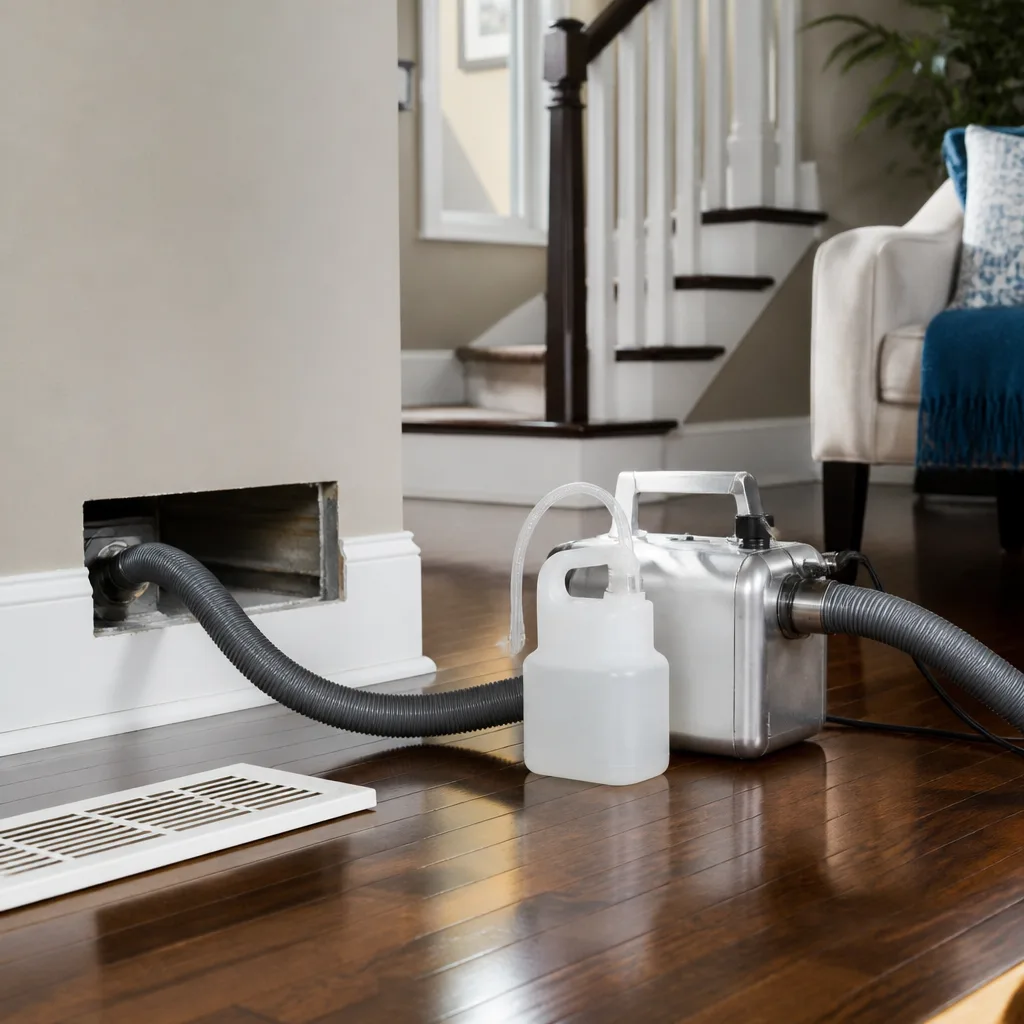 Sanitizing & deodorizing
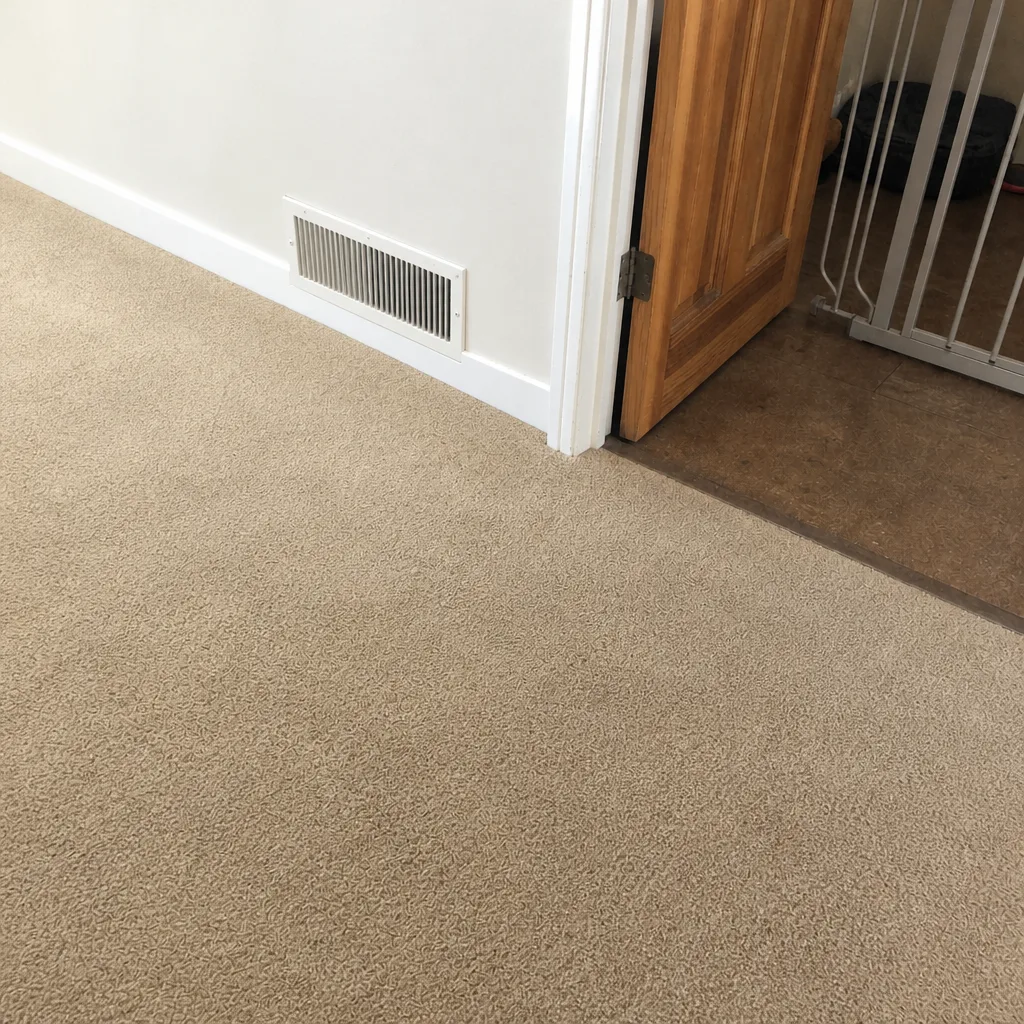
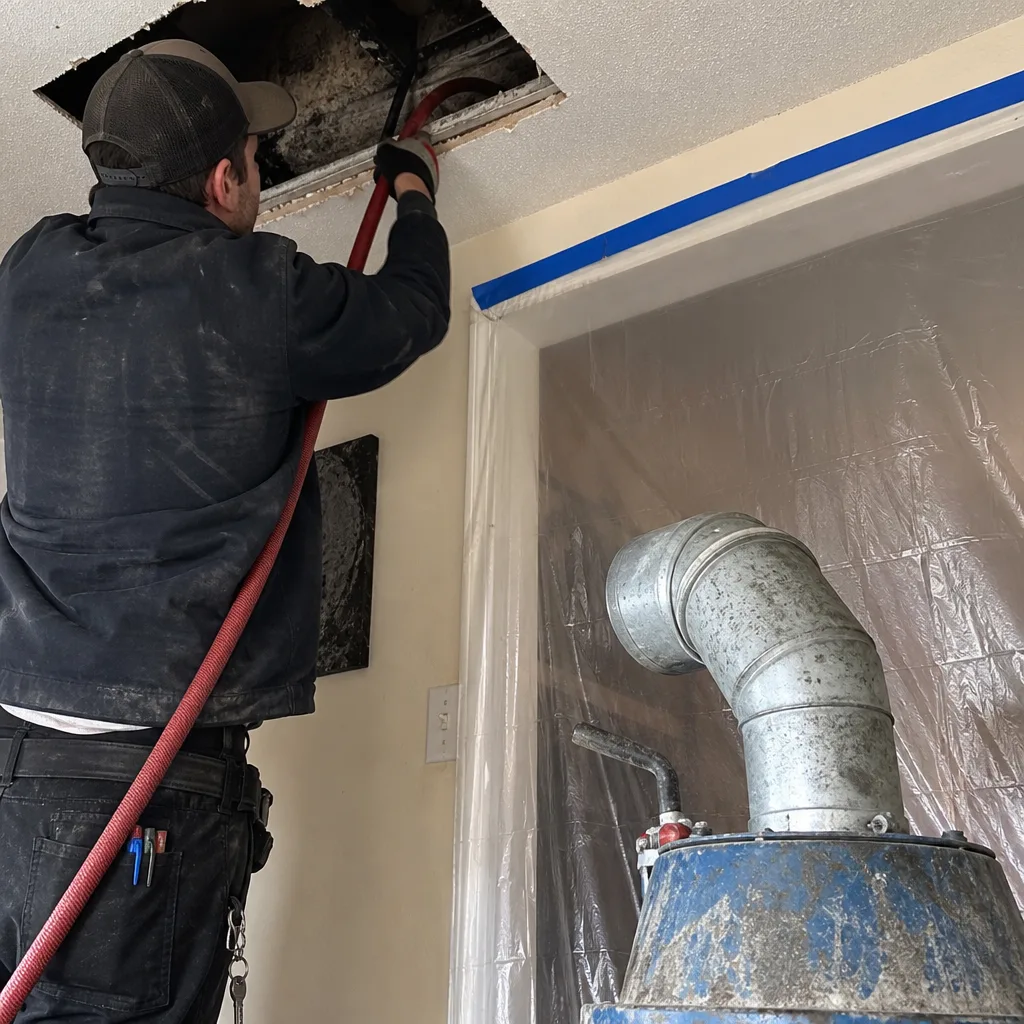
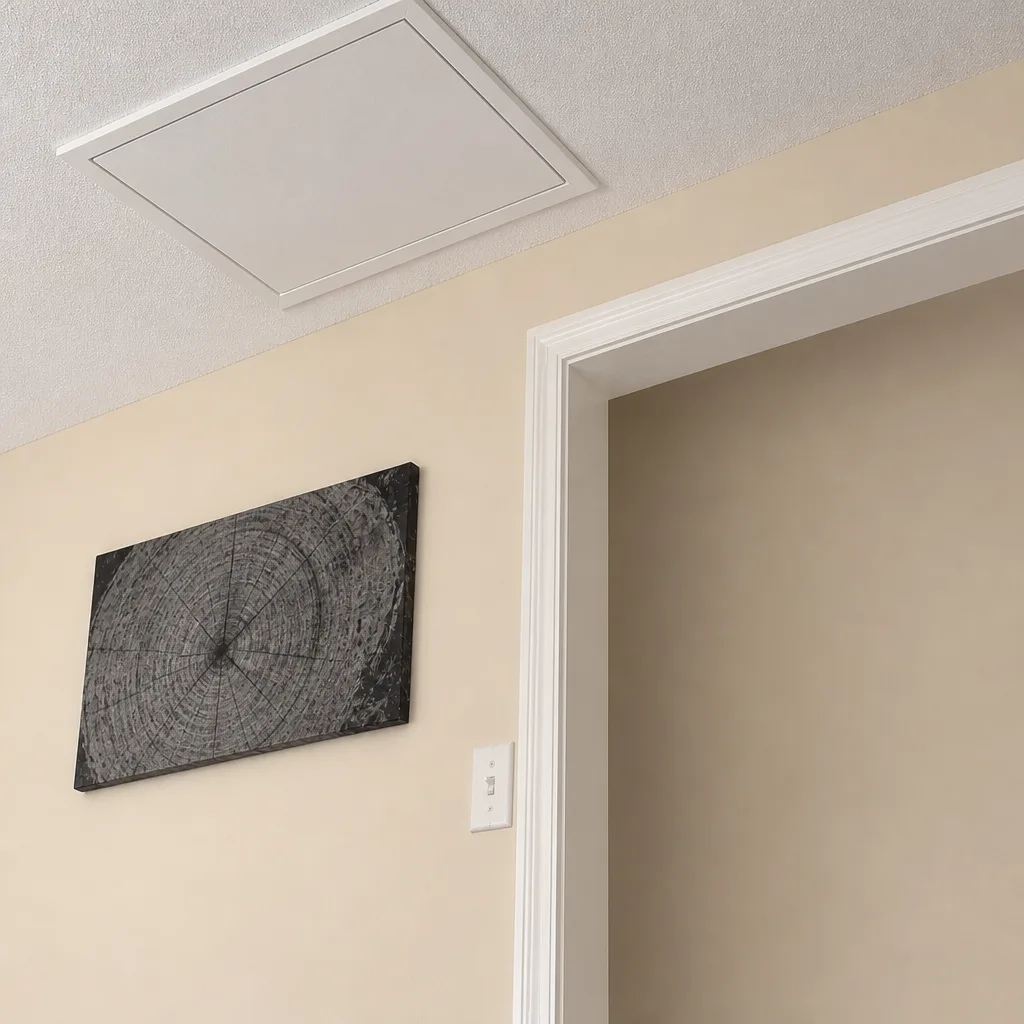
Whole-system duct and dryer vent check with before-and-after photos - you see exactly what came out of your vents
That "$99 whole-house special" is a bait ad - the real number appears once they are in your hallway, or the "clean" is a shop-vac at the register. We photograph the inside of your ducts before and after instead.
Air Duct Cleaning Warning Signs: A Queen Anne Homeowner’s Reference Guide
Visible dust blowing from a register is a late-stage warning sign. By the time you can see it, the duct system has been collecting and distributing that debris for months. The earlier signals are quieter, and they’re easy to talk yourself out of. A room that never quite warms up. A filter that loads faster than it used to. A faint smell at startup that fades before you can name it. Queen Anne homes have the right climate and housing stock to produce three of these quiet signals more often than homeowners expect. This guide walks through each one, explains the mechanical reason behind it, and tells you when it’s worth acting on.
Quick Answer
The earliest warning signs of duct contamination are rarely visible: uneven room comfort despite a correct thermostat setting, a filter that clogs faster than usual, condensation on supply registers in winter, and a faint musty smell that appears only when the system first starts. These point to interior duct conditions long before dust shows up at a register. If more than one shows up at the same time, it’s worth having the system inspected.
Styles & brands we work with
- Whole-home duct cleaning
- Dryer vent cleaning
- Camera inspection
- Sanitizing & deodorizing
Table of Contents
- Why Some Rooms Feel Stuffy Even at the Right Thermostat Setting
- Reading Your Duct Odors: Startup Mustiness vs. Mid-Cycle Smell
- Your Filter’s Loading Rate Is an Early Warning Signal
- Winter Condensation on Registers in Queen Anne
- Why a Remodel Anywhere in the House Raises Duct Risk
- How Queen Anne’s Humid Seasons Drive Duct Conditions
- A Reasonable Homeowner Inspection Sequence
- Common Mistakes to Avoid
- When to Call a Professional
Why Some Rooms Feel Stuffy Even at the Right Thermostat Setting
If the thermostat is set correctly and one or two rooms still feel hard to heat, the problem is usually airflow, not temperature setting. Partially blocked ducts raise static pressure in the system, and the rooms on the far end of the duct run get the least air. It’s a pressure problem disguised as a comfort problem.
Static pressure is the resistance air meets as it moves through the ductwork. When a return or supply run narrows – from accumulated debris, a crushed flex line, a collapsed joint, or a damper left partly closed – the air handler has to push harder against that resistance. The blower’s performance curve means total airflow drops when pressure rises. The rooms closest to the equipment still get reasonable air. The ones furthest away get starved.
In Queen Anne’s older houses, this shows up most often on second floors and additions where the duct routing was always a bit of a stretch. The symptoms are consistent:
- One room that heats or cools noticeably slower than the others
- The blower sounding louder or more strained than it used to
- Weak airflow at registers that used to feel strong
- The air handler cycling longer to satisfy the thermostat
The instinct is to chase the thermostat or the equipment, but neither is usually the culprit. The duct system is. Before you move to cleaning, it’s worth confirming the runs are actually intact – an air duct cleaning inspection will check for blockages, crushed sections, and disconnected joints as part of the walk-through.
Reading Your Duct Odors: Startup Mustiness vs. Mid-Cycle Smell
Duct odor tells you where the problem sits, not just that there is one. A musty smell in the first minute after the system starts usually points to surface-level growth near the evaporator coil or the plenum. A smell that persists through the whole run points deeper into the ducting.
Startup smell (first 30 to 60 seconds)
When the blower kicks on, air passes over the evaporator coil first. In a humid climate, the coil and the pan beneath it are the wettest part of the whole system. If the drain is slow or the coil isn’t drying out fully between cycles, surface mold can establish there. The air picks up the smell immediately and then carries it off. Often the smell fades before it reaches the rooms.
Mid-cycle smell (persistent through the run)
A smell that stays with you for the full cycle is more likely coming from inside the duct trunk lines themselves. Debris, dust, hair, and skin cells settle on duct walls, and when the surface holds enough moisture, biological growth can develop along the interior surfaces. That smell isn’t localized to the coil – it’s distributed with the air.
We’ve found this distinction useful because it separates a filter-and-coil problem from a duct system problem. If the startup smell is what you’re noticing, a coil and plenum inspection is the first step. If the smell runs the entire cycle, plan on a full HVAC cleaning that includes the ducting, as well as the coil and blower assembly.
Your Filter’s Loading Rate Is an Early Warning Signal
A filter that changes color faster than it used to is telling you something has changed upstream. Filters load from what’s moving through the air, and the air that reaches them came through the ducts. A rising loading rate is one of the earliest clues that debris is mobilizing inside the duct system.
For a Queen Anne home in normal use, a 1-inch pleated filter typically lasts 60 to 90 days. If yours is grey and matted at 30 days, the amount of material in the air has increased. That could be:
- Construction debris from recent work anywhere in the house
- Airborne dust from a new forced-air appliance or a change in HVAC behavior
- Debris loosening inside the duct walls and becoming airborne for the first time
- Return duct leakage pulling air in from a crawlspace or attic
Don’t just change the filter more often. Use the loading rate as a diagnostic signal and ask what changed. If the filter loading returned to normal after a renovation settled, you’re fine. If it’s still loading quickly six months later, the source is in the system. That’s the moment to schedule an inspection rather than buy another box of filters.
Winter Condensation on Registers in Queen Anne
Condensation on a supply register in winter looks backward – the air coming out is warm, so why is the register wet? The answer is humidity in the space, and it matters because the same conditions that fog a register can support mold growth in the duct upstream.
Queen Anne’s climate runs humid through a good part of the year. Interior moisture sources (cooking, showering, drying clothes indoors, a damp crawlspace) add to that. When a cold register face meets warm, humid room air in winter, water condenses on the metal. That’s a surface issue. The bigger warning is what happens when the same humid air cycles through a cool duct system that hasn’t fully warmed up – moisture can settle on the inner duct surfaces and feed biological growth there.
Watch for:
- Water beads or streaks on supply registers after the system has been running
- Rust at the register boot
- A musty smell that gets stronger on cold, wet days
- Condensation reappearing even after you dry the register face
Any one of these is worth an inspection. Two together is a strong signal the moisture is inside the system, not just on the visible surface.
Why a Remodel Anywhere in the House Raises Duct Risk
A renovation on the opposite side of the house still sends material into the duct system. Contractors cut, sand, and demo in one place, and the airborne particles travel the whole house before the homeowners know they’ve moved. Dust doesn’t respect the staging plan.
The mechanism is simple. The HVAC blower keeps pulling air through the returns during construction. Drywall dust, sanding residue, and insulation fibers get drawn into return grilles, then deposited along the duct walls. Even if the system is turned off, the filter only catches what passes through it – debris falls out of the air in the ducts and stays there.
What makes this an earlier-warning situation than most homeowners realize is the pattern of timing. Construction dust reaches peak concentration in the ducts in the days after cutting and sanding wrap up, and that’s when filter loading spikes. Then the filter loading settles, and the debris stays on the duct walls. Six months later, the complaints start: startup odor, a filter loading faster than usual, and a stubborn film of dust on horizontal surfaces.
How to protect the system during and after a remodel
- Have the return grilles temporarily covered before demolition begins.
- Keep the filter fresh during construction and after the dust settles.
- Have the duct system cleaned once construction dust has settled – not immediately, but after the last sanding pass.
- Consider a duct sealing evaluation at the same time, especially in an older Queen Anne home where joints may already be loose.
See the difference
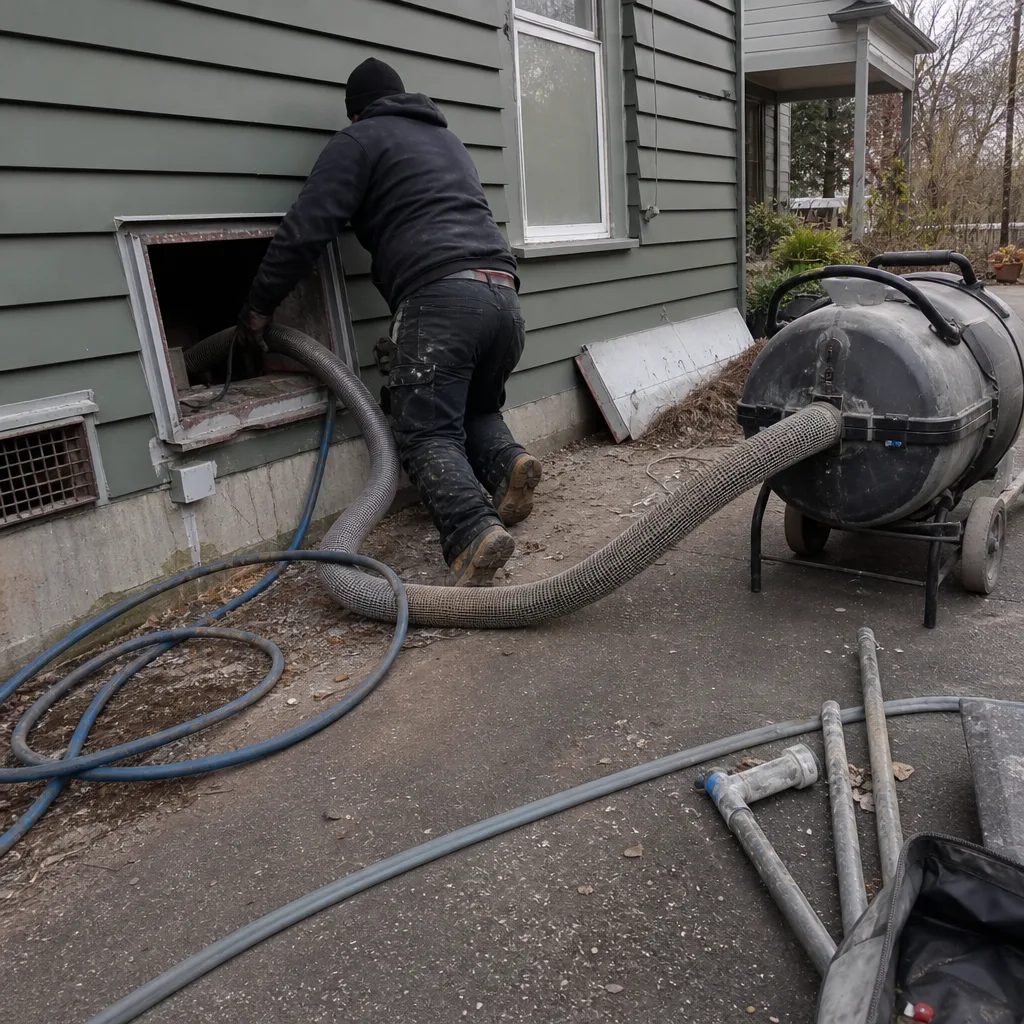 Before
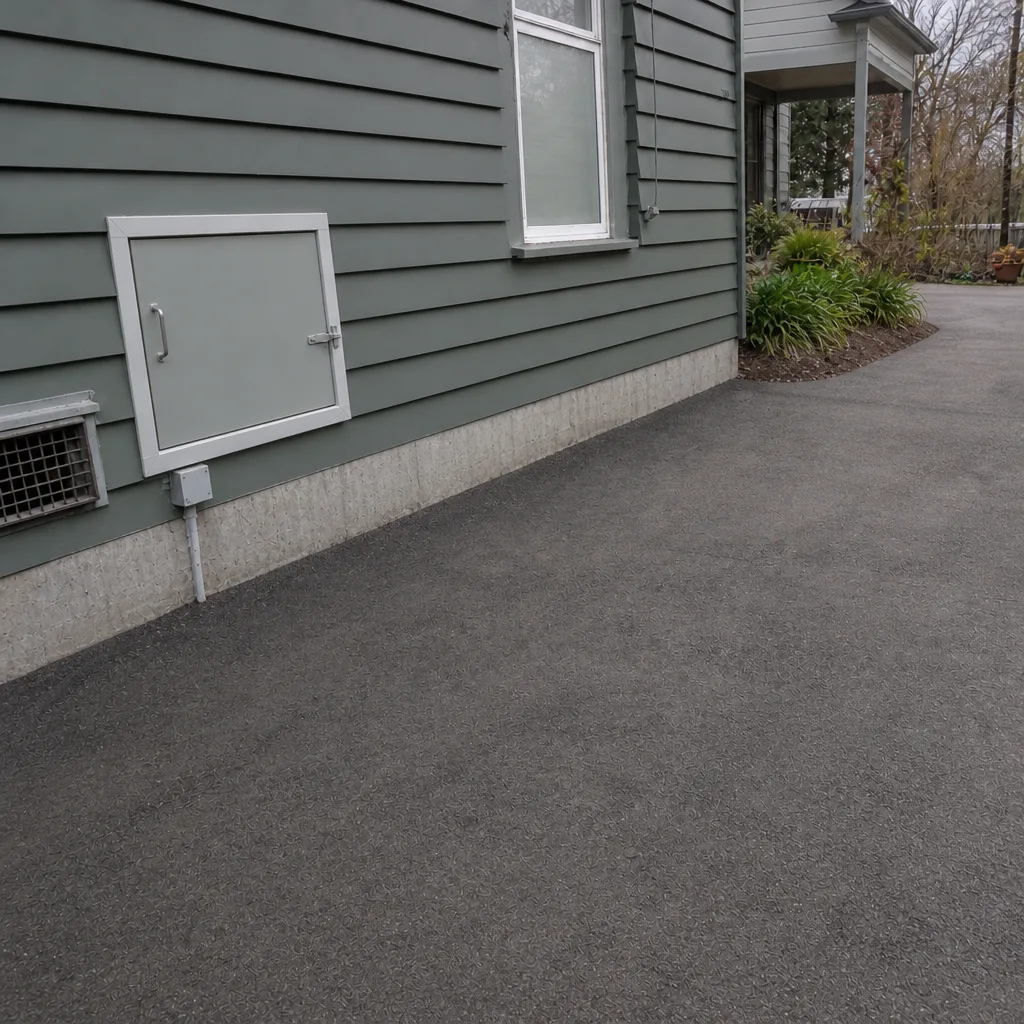 After
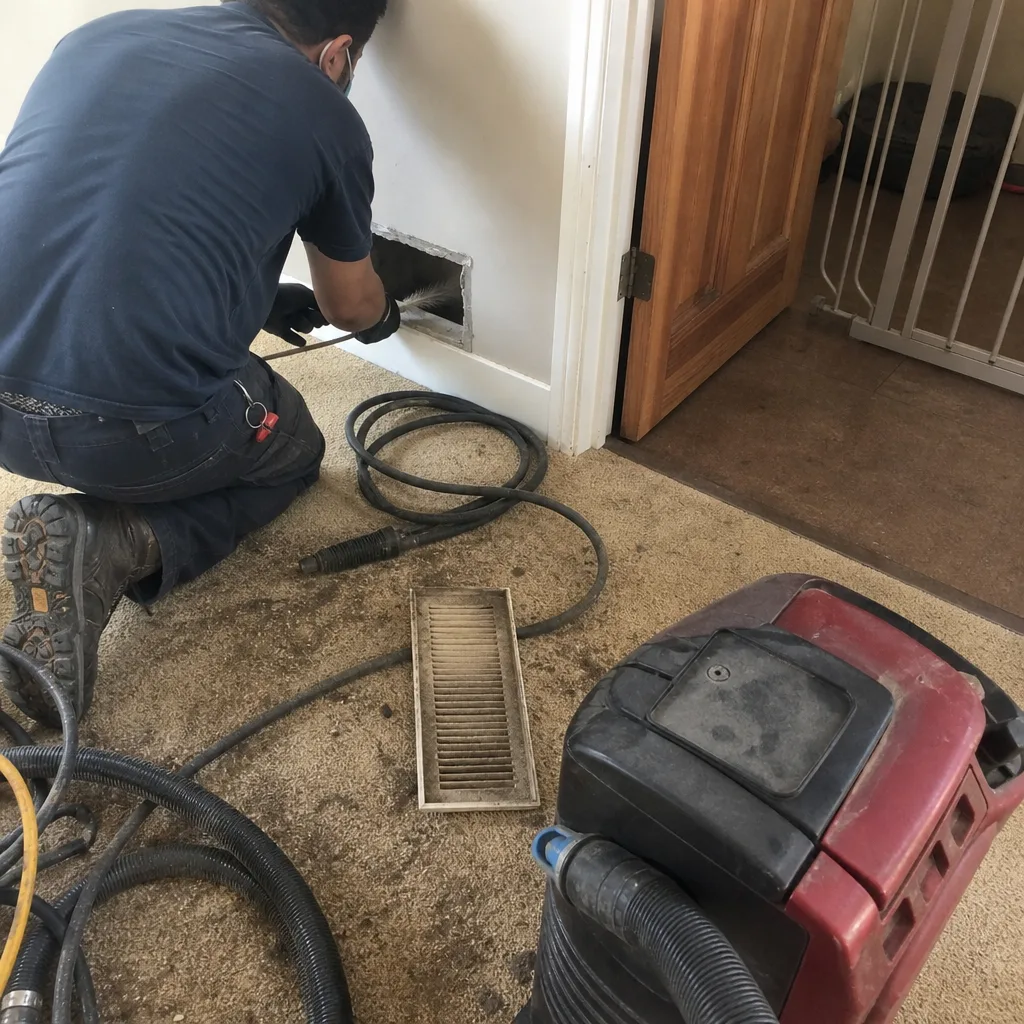 Before
 After
 Before
 After
How Queen Anne’s Humid Seasons Drive Duct Conditions
Queen Anne’s wet season runs long, and that pattern matters to duct health more than most homeowners expect. Humidity inside the walls and in the crawlspace can enter a leaky duct system and stay there. Add an HVAC system that cycles on and off – warming and cooling the duct surfaces repeatedly – and you get condensation-and-drying cycles that encourage surface growth.
The seasonal pattern to watch:
- Autumn: First weeks of heating season show condensation on registers; a musty startup smell is common if moisture has settled in over summer.
- Winter: Filter loading rises as heating runs continuously; static pressure symptoms peak in second-floor rooms.
- Spring: Cooling start-up may reveal an odor that was masked by heating all winter.
- Summer: Coil and pan moisture peak; extended cooling cycles mean more condensation opportunity in the ducts.
A duct system that stays dry most of the year will still accumulate a certain amount of debris. A system that cycles through wet-dry conditions in a humid climate will accumulate more, and the debris holds moisture longer. Keeping an eye on seasonal symptoms, rather than waiting for visible dust, catches the problem earlier and gives the system a chance to be cleaned and sealed before the debris becomes the problem.
A Reasonable Homeowner Inspection Sequence
Before you call anyone, you can do a quick pass through the system yourself. It’s not a substitute for a professional inspection, but it gives you a clearer story to tell when the technician arrives.
- Walk the house and note which rooms have weaker airflow than the others. Write the list down. Patterns matter.
- Note the filter loading pattern. Look at when it last changed and what the filter looks like at that point. Change it and note the next interval.
- Check the return grille visually with a flashlight. You’ll see whether dust is accumulating on the interior of the return, and whether the boot has a gap.
- Watch for condensation on registers during heating season, especially on cool mornings.
- Smell the system at startup and mid-cycle separately. Note which one you can detect.
- Check the dryer vent on the exterior for airflow and lint buildup. That’s a separate safety issue but part of the same system. A standalone dryer vent cleaning appointment will handle it.
With that list in hand, you have a clear picture of the symptoms. A technician can use them to focus the inspection on the right parts of the system instead of starting from zero.
Common Mistakes to Avoid
- Treating a faster-loading filter as a filter problem. If the filter loads faster than it used to, the source is upstream. Buying a more premium filter just shifts the problem.
- Assuming the thermostat is drifting. In a Queen Anne home, a stuffy second-floor room is much more often a duct pressure problem than a thermostat calibration issue. Check airflow before you spend on a new thermostat.
- Cleaning the registers and calling it done. Surface cleaning of register faces doesn’t touch the duct interior. If the internal surfaces have accumulated debris and growth, the problem persists.
- Skipping the duct inspection after a remodel. Construction dust settles in the ducts even when work happens far from the HVAC system. Time the inspection for after the last cutting pass, not before.
- Ignoring condensation because the register dries off. A register that dries between cycles still points to moisture in the air and inside the system. It’s a warning sign, not a cosmetic issue.
- Assuming an odor that fades is harmless. A musty startup smell means surface growth is present near the coil. It may not spread, but it’s worth addressing before it has a chance to.
- Waiting until you see visible dust at the registers. By the time dust is visible, the ducts have been distributing that debris for months. The earlier signals are quieter and give you a better starting point.
When to Call a Professional
Most of the warning signs in this guide can wait for a scheduled inspection. Some can’t. Call when any of the following is true: a persistent musty smell that survives a filter change and a coil cleaning; condensation that reappears on registers after several cycles; visible debris falling from a supply register; a filter that continues to load quickly after a renovation has fully settled; a room that has stayed stubbornly under-served through multiple thermostat adjustments. Those are the conditions where an inspection should happen without delay.
Air Duct Cleaning Queen Anne offers free estimates in Queen Anne – call (833) 736-3635. We use professional-grade extraction equipment purpose-built for this trade, from Rotobrush and Nikro systems. The local pro is licensed and insured as their state requires, and the estimate comes in writing before any work starts.
Frequently Asked Questions
Most homes don’t need cleaning on a fixed schedule. The honest answer is that a duct system should be cleaned when a warning sign shows up, not simply because a year has passed. Indicators like rising filter loading, persistent odor, condensation, or a recent renovation are better triggers than the calendar. If your home has none of these signals, a visual inspection every couple of years is a reasonable routine. Call (833) 736-3635 for an exact quote – estimates are free.
Queen Anne air duct cleaning runs on whole-system pricing rather than per-vent pricing, and the range depends on the number of supply and return runs, duct type, and whether sealing is part of the work. We don’t quote per-vent or teaser pricing – a written estimate covers the full job. Call (833) 736-3635 for an exact quote.
Cheap quotes often come from per-vent pricing that only covers surface dust removal without real extraction, containment, or duct repair. A proper cleaning uses professional-grade extraction equipment – like the Rotobrush and Nikro systems we run – and includes a diagnostic walk-through of the duct system. When a quote is dramatically lower than the others, ask what equipment is used and whether duct repair is included. Call (833) 736-3635 for an exact quote – estimates are free.
Two things: before-and-after photos of your own duct interior, and a walk-through with the technician at the end. A real cleaning shows a visible difference in the duct walls. Ask for the photos at the start so there’s no ambiguity about what the “before” state was. Call (833) 736-3635 for an exact quote.
Condensation on a register itself is just moisture in the room air hitting a cool surface. The warning is what that same moisture does in the cooler parts of the duct system – the interior duct surfaces stay wetter longer, and that’s where mold risk climbs. If you see condensation on multiple registers in winter, have the system inspected. Call (833) 736-3635 for an exact quote.
Yes, in the right conditions. Construction dust gets pulled into return grilles during demolition and sanding, then settles along the duct walls. Cleaning isn’t always necessary immediately – time the inspection for after the last sanding pass, and use filter loading as the signal. If filter loading stays elevated six months later, cleaning is warranted. Call (833) 736-3635 for an exact quote.
Often, yes, especially in a Queen Anne home where duct joints may have loosened over time. Cleaning without sealing lets the same leak paths pull fresh debris into the system. Sealing closes those paths. We offer duct repair and sealing alongside cleaning for that reason. Call (833) 736-3635 for an exact quote.
Professional-grade extraction systems purpose-built for duct cleaning – Rotobrush and Nikro are the trade-standard names. For containment, Abatement Technologies filtration is the category used in professional remediation work. If a technician shows up with a consumer-grade vacuum, the work isn’t going to have the containment or extraction a real cleaning requires. Call (833) 736-3635 for an exact quote.
The Bottom Line
The warning signs that matter most in Queen Anne are the quiet ones: a room that never quite warms up, a filter that loads faster than it used to, condensation on winter registers, and a musty smell that surfaces only at startup. Each one points to something specific, and each one is worth acting on before the visible dust arrives. Cleaning, sealing, and sanitizing are handled as one process because each step addresses the others. Our technicians have up to 11 years of experience, and we use professional-grade equipment to inspect and clean the full system. Call (833) 736-3635 for a free estimate. We answer 24/7. Fast dispatch from 7am to 7pm, Sunday through Friday, and we’re closed on Saturday. See our full service lineup at Air Duct Cleaning Queen Anne.
Written by the team at Air Duct Cleaning Queen Anne.