
Last updated November 22, 2026
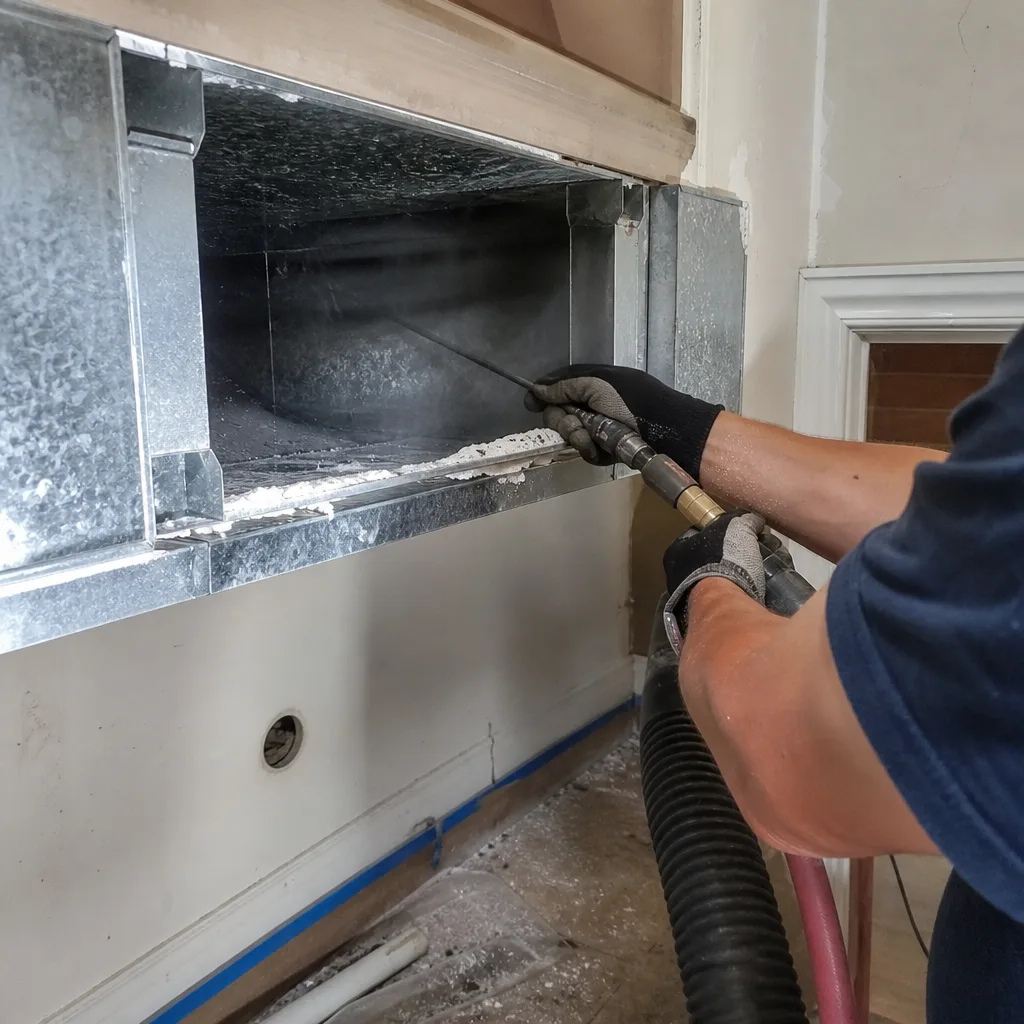
 Whole-home duct cleaning
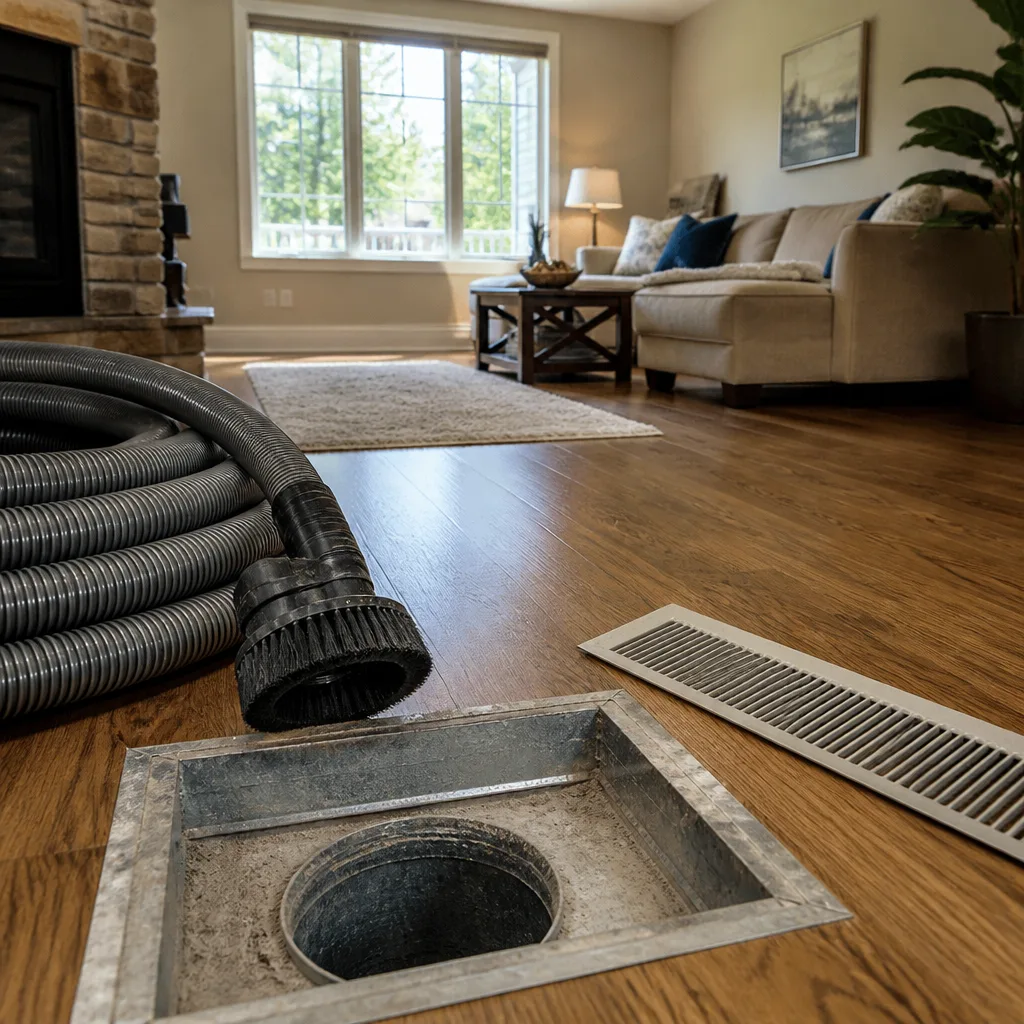
 Dryer vent cleaning
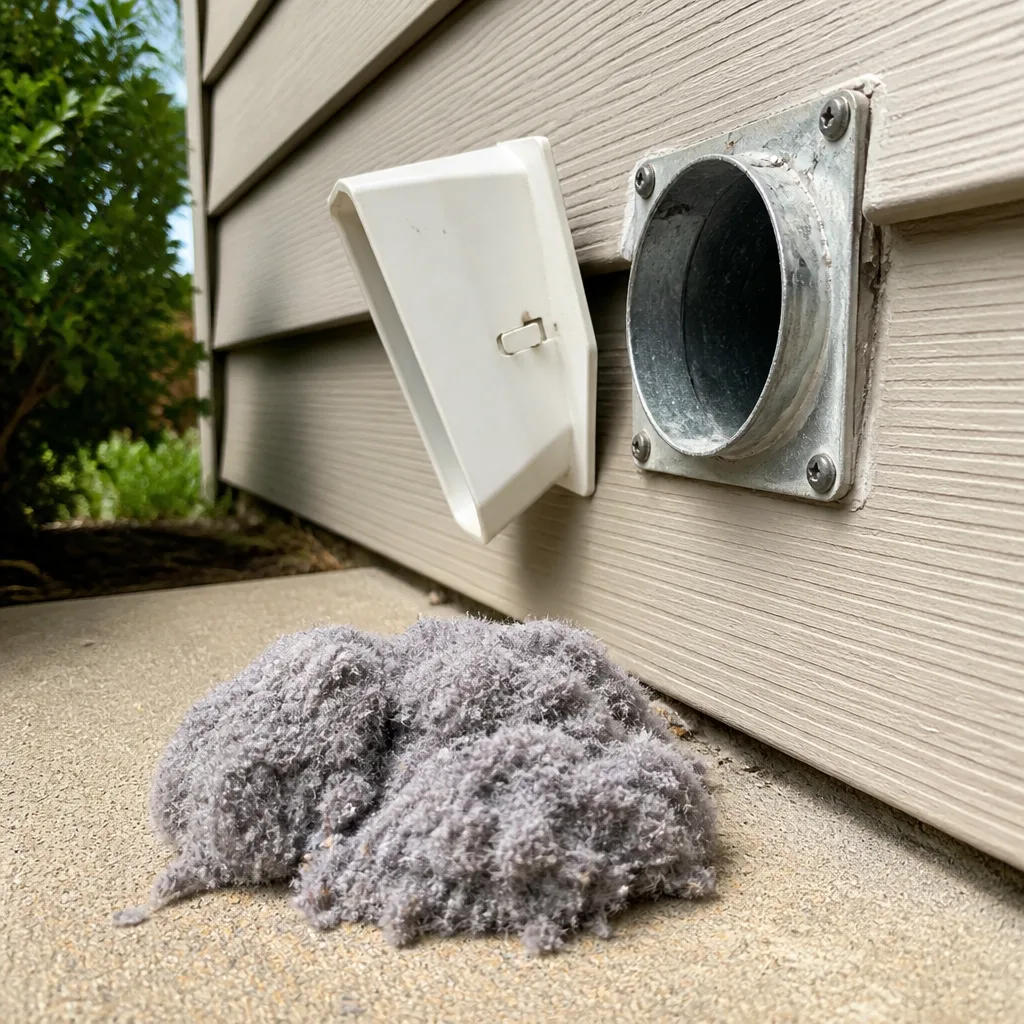
 Camera inspection
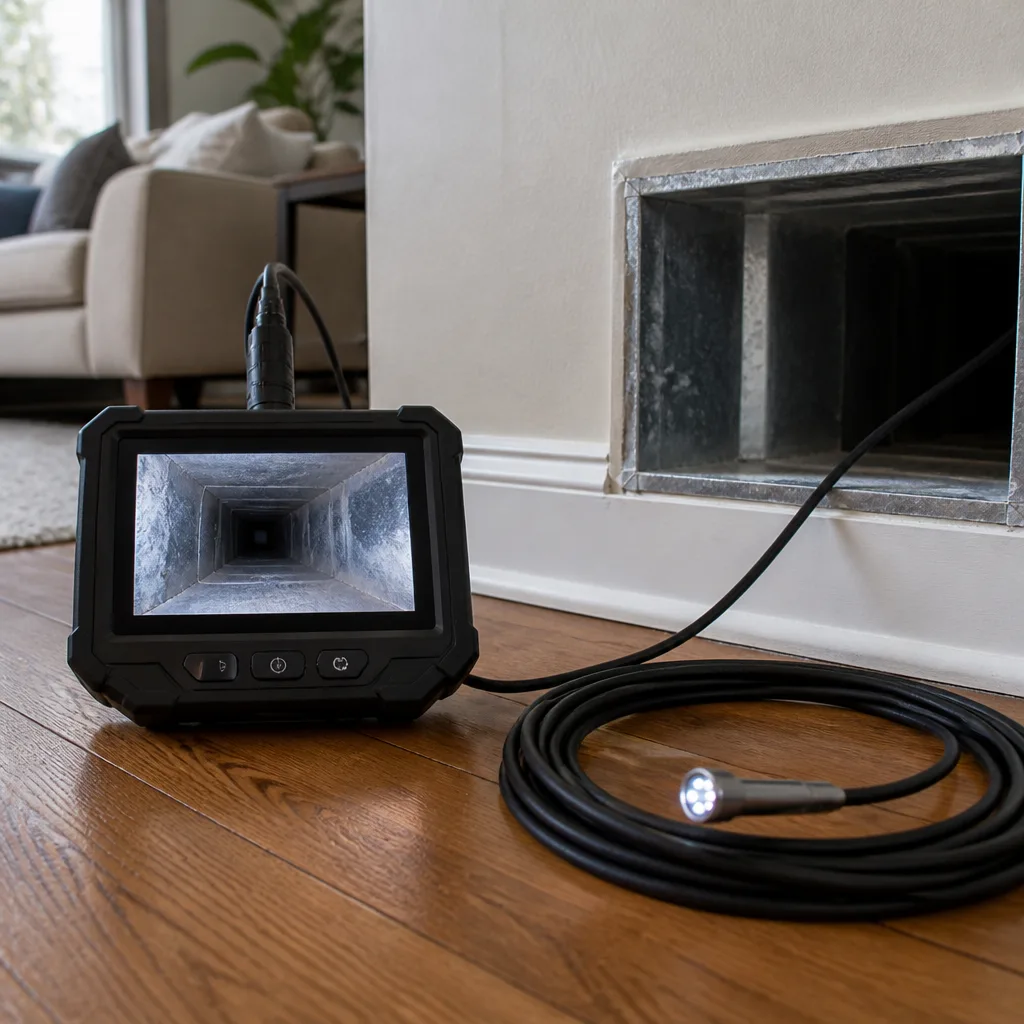
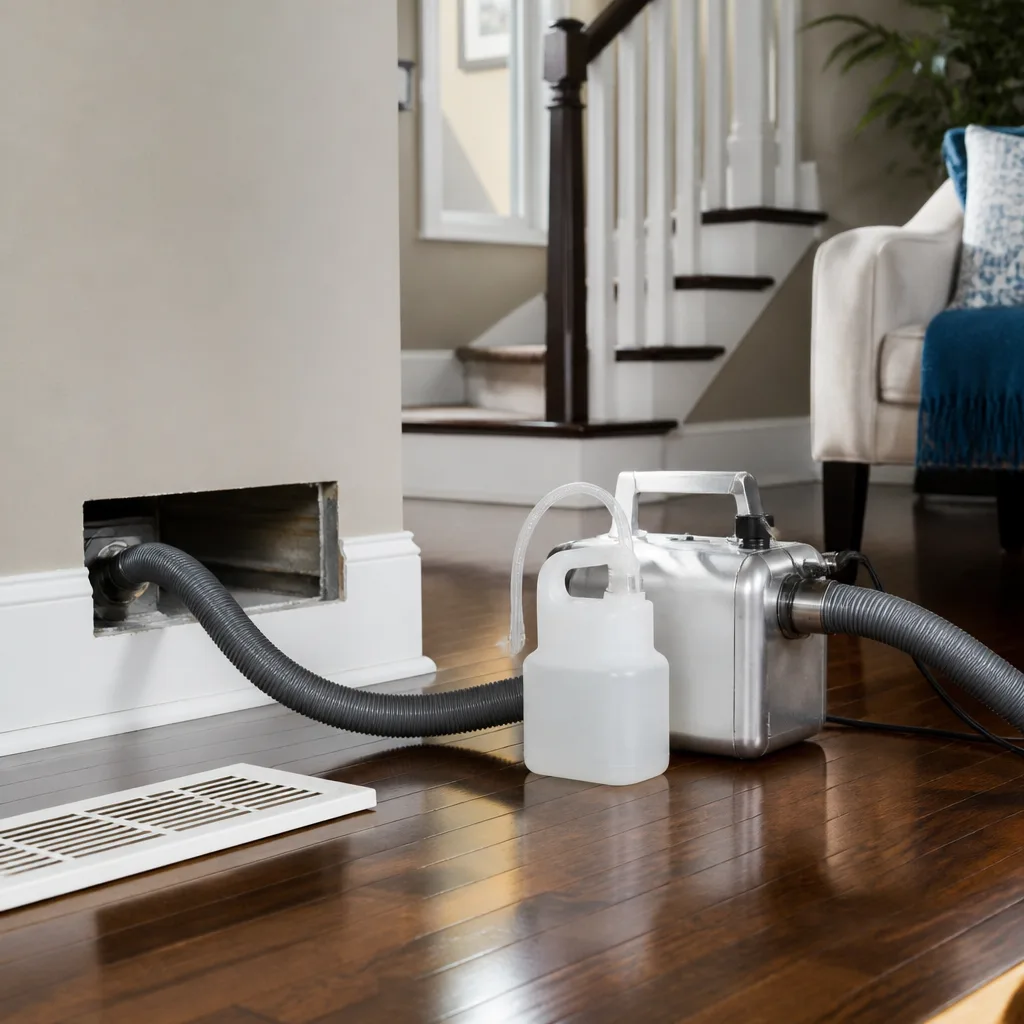 Sanitizing & deodorizing
Whole-system duct and dryer vent check with before-and-after photos - you see exactly what came out of your vents
That "$99 whole-house special" is a bait ad - the real number appears once they are in your hallway, or the "clean" is a shop-vac at the register. We photograph the inside of your ducts before and after instead.
Air Duct Cleaning Permits, Codes & Inspections in Queen Anne, WA: What You Need to Know
Here’s the part most homeowners miss: straight cleaning of existing ductwork is maintenance. The moment a contractor replaces a collapsed flex run, reconnects a joint that has come apart, or adds a return to a room that never had one, the job has crossed into mechanical work that Washington State’s residential code treats differently. We see this assumption break down in Queen Anne all the time, especially in the older homes that make up so much of the hill. This guide maps exactly where the permit line sits, how King County and Seattle handle mechanical permits, and how to ask your contractor the right questions before a repair starts. You’ll learn what inspections actually catch and why documentation matters at closing.
Quick Answer
Cleaning alone generally does not require a permit in Washington State. Altering the duct system – replacing sections, sealing disconnected joints as a repair, or adding new supply or return runs – usually does fall under the state residential code and may require a mechanical permit through Seattle’s building department. The dividing line is whether the work changes the system versus maintains what’s already there. Code compliance (WAC 51-51) is mandatory. Indoor air quality guidelines from NADCA and the EPA are voluntary best practice, not law.
Styles & brands we work with
- Whole-home duct cleaning
- Dryer vent cleaning
- Camera inspection
- Sanitizing & deodorizing
Table of Contents
- Where the Permit Line Sits Between Cleaning and Repair
- What Washington State’s Residential Code (WAC 51-51) Says About Ducts
- Seattle and King County Mechanical Permit Thresholds
- Why Unpermitted Duct Repairs Surface During a Home Sale
- How to Ask a Contractor About Permit Scope and Documentation
- Code Compliance vs. Indoor Air Quality Guidelines
- What Queen Anne’s Housing Stock Means for Your Duct System
- What an Inspection Actually Looks At
Where the Permit Line Sits Between Cleaning and Repair
The distinction comes down to a single idea: are you removing debris from the system as it was built, or are you changing the system itself? Cleaning removes what has accumulated. Repair alters the assembly. One is maintenance. The other is mechanical work.
This matters in Queen Anne because so many homes have duct systems that have settled, shifted, or been patched over the years. When we clean a system and find a flex run that has come loose at a collar, we have to be clear about what happens next. Reconnecting it as part of a cleaning visit is one thing. Replacing that run with new ductwork is another, and that second scenario is where the state residential code typically comes into play.
Here’s a practical breakdown of the split:
- Generally cleaning only, no permit: source removal of dust and debris from existing ducts, sanitizing the interior of connected runs, dryer vent clearing, cleaning the air handler and coils.
- Typically mechanical work, permit question arises: replacing a section of duct, installing new supply or return runs, changing the size or routing of an existing run, reconnecting a system that has been significantly disassembled and reconfigured.
- Grey area, ask before work starts: sealing a joint that has come apart as a repair (not just taping during cleaning), adding a return to a room that never had one, modifying ductwork to accommodate a new HVAC unit.
If you are booking straight air duct cleaning and nothing else, you are almost always in the first bucket. The moment the scope shifts, so does the permit conversation.
What Washington State’s Residential Code (WAC 51-51) Says About Ducts
Washington State’s residential code, WAC 51-51, adopts the International Residential Code with state amendments. That code contains provisions that govern duct installation – how ducts are supported, how joints are sealed, how they’re protected in unconditioned spaces, and how they connect to the air handler. These are installation standards. They’re mandatory when a duct system is being installed or altered.
What the code does not do is regulate cleaning. There’s no section in WAC 51-51 that says a homeowner needs a permit to have dust vacuumed out of existing ducts. Cleaning is outside the code’s scope because cleaning does not change the assembly.
Where the code does reach in is when a repair crosses from maintenance into alteration. If a contractor is replacing a duct section, they’re working under installation standards. Those standards include how the new duct is sealed, how it’s supported, and whether the system remains properly insulated in unconditioned spaces. This is why permit compliance and quality of work tend to travel together – a permitted repair has been reviewed against these standards.
The practical takeaway for Queen Anne homeowners: when a contractor proposes a repair, ask whether the scope involves replacing or adding ductwork versus reconnecting what’s already there. The first usually requires the work to be done to code. The second may not require a permit but should still be done to the same standard.
Seattle and King County Mechanical Permit Thresholds
Seattle’s Department of Construction and Inspections handles building permits within the city limits, and Queen Anne sits firmly inside that jurisdiction. King County handles unincorporated areas, but if your home is in Queen Anne proper, you’re working with Seattle DCI.
The permit question for ductwork typically comes up in these situations:
- Replacing a duct section: a permit is often required when a run is being replaced rather than repaired in place.
- Adding a supply or return: new runs are treated as system additions and generally require mechanical permit review.
- Reconfiguring a system: rerouting ducts, changing sizes, or modifying delivery is permit territory.
- Installing a new HVAC unit with associated duct changes: the mechanical permit for the equipment usually covers the duct alterations, but scope matters.
- Sealing and reconnecting without replacement: this is the area where the answer depends on the specific repair. A disconnected joint resealed during a cleaning visit is usually maintenance. A section that has to be rebuilt is usually not.
The honest answer, and the one we give anyone who asks: the permit requirement depends on scope, and scope has to be determined in person. Any contractor who gives you a definitive permit answer over the phone without seeing the system is guessing. Ask them to write it into the estimate – whether the proposed scope requires a mechanical permit, and if not, why not.
Why Unpermitted Duct Repairs Surface During a Home Sale
Home inspectors look at HVAC systems. They run the system, check the visible duct connections, look at the air handler and coil area, and note anything that appears altered. When they see ductwork that has been replaced without a permit on record, or connections that look inconsistent with the rest of the system, they flag it.
A flag on an inspection report doesn’t automatically kill a sale, but it does start a conversation. Buyers ask for documentation. If none exists, the question becomes whether the work was done to code. In the current Seattle market that conversation can slow a closing or lead to a holdback while the repair is verified or redone.
This is one of the reasons we ask scope questions before work begins. If a repair on a Queen Anne home is going to require a permit, we want the homeowner to know that on the front end so it doesn’t come up a year later during an inspection. An HVAC cleaning visit that uncovers a repair need is a good moment to sort out the documentation while the system is open and accessible.
How to Ask a Contractor About Permit Scope and Documentation
Most homeowners don’t know the permit line exists, so they don’t know to ask. That’s fine – it’s why the question is worth asking. A contractor who does this work regularly should be able to answer without hesitation.
Here are the questions we think every Queen Anne homeowner should have ready before they book a repair:
- “Does the scope you’re proposing require a mechanical permit through Seattle DCI?” If they say no, ask them to explain why the work is maintenance rather than alteration.
- “Will the permit be pulled in your name or mine?” In most residential work, the permit is pulled by the contractor. Confirm that in writing.
- “Who is responsible for the inspection if one is required?” The contractor who pulled the permit should handle the inspection scheduling.
- “Can you write the scope into the estimate so I have a record?” Yes is the right answer. Every estimate we provide includes the proposed scope in writing.
- “What standards are your technicians working to?” Ask whether they follow NADCA standards and whether they use professional-grade equipment. Rotobrush and Nikro systems, for example, are built specifically for this trade rather than adapted from shop vacuums.
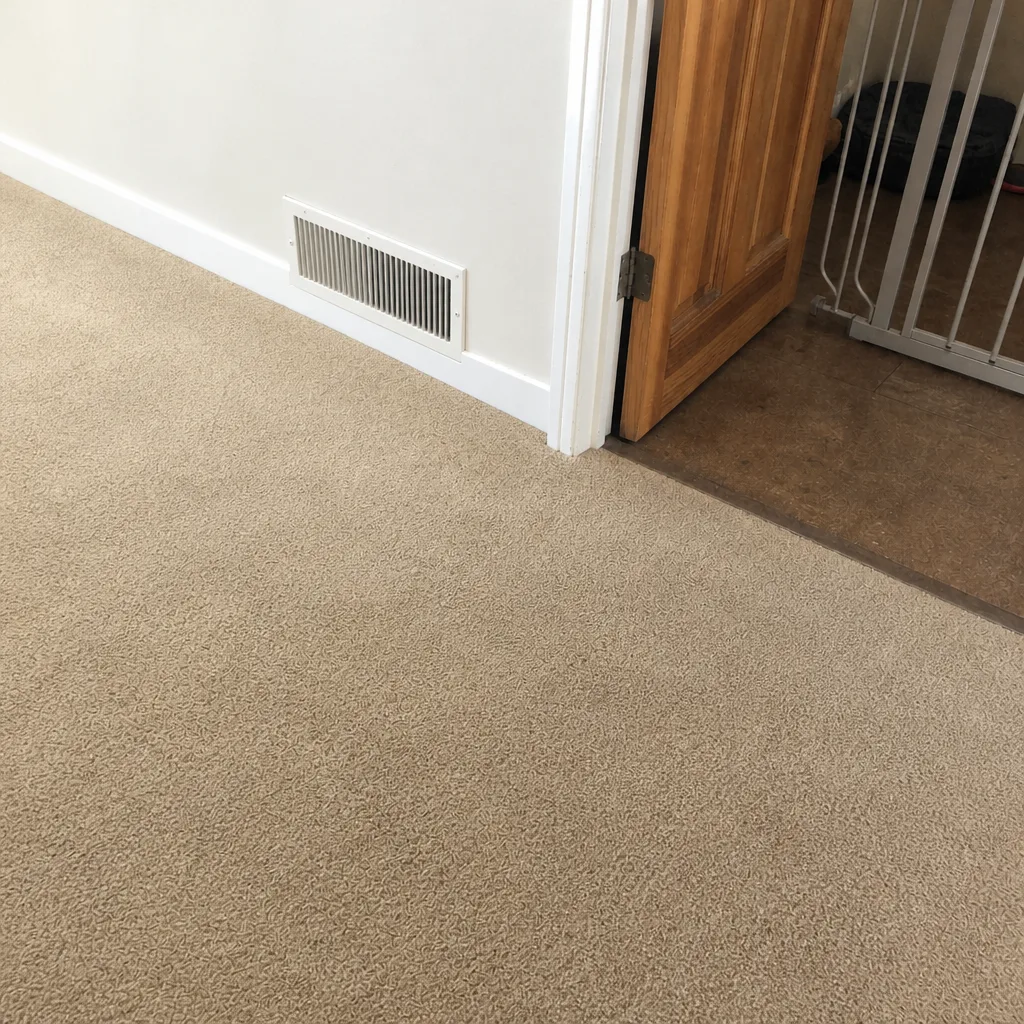
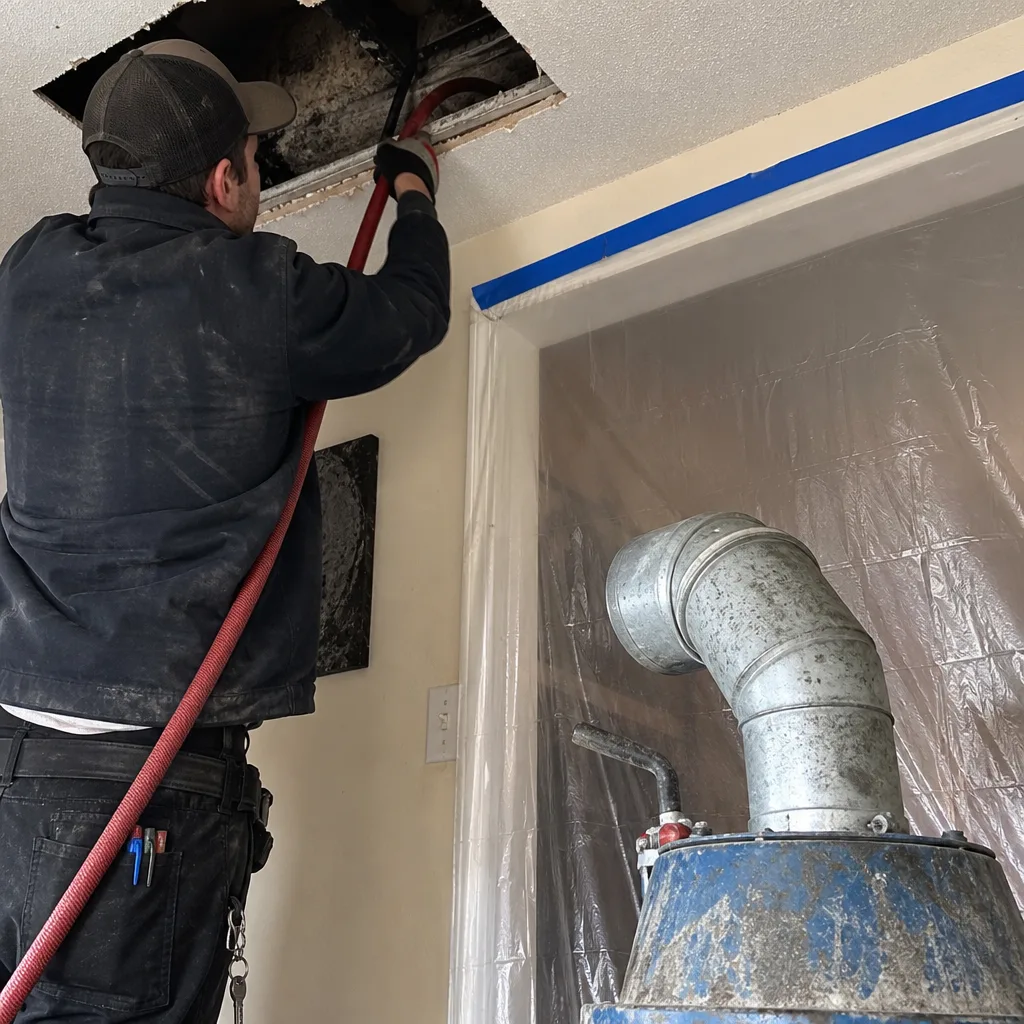
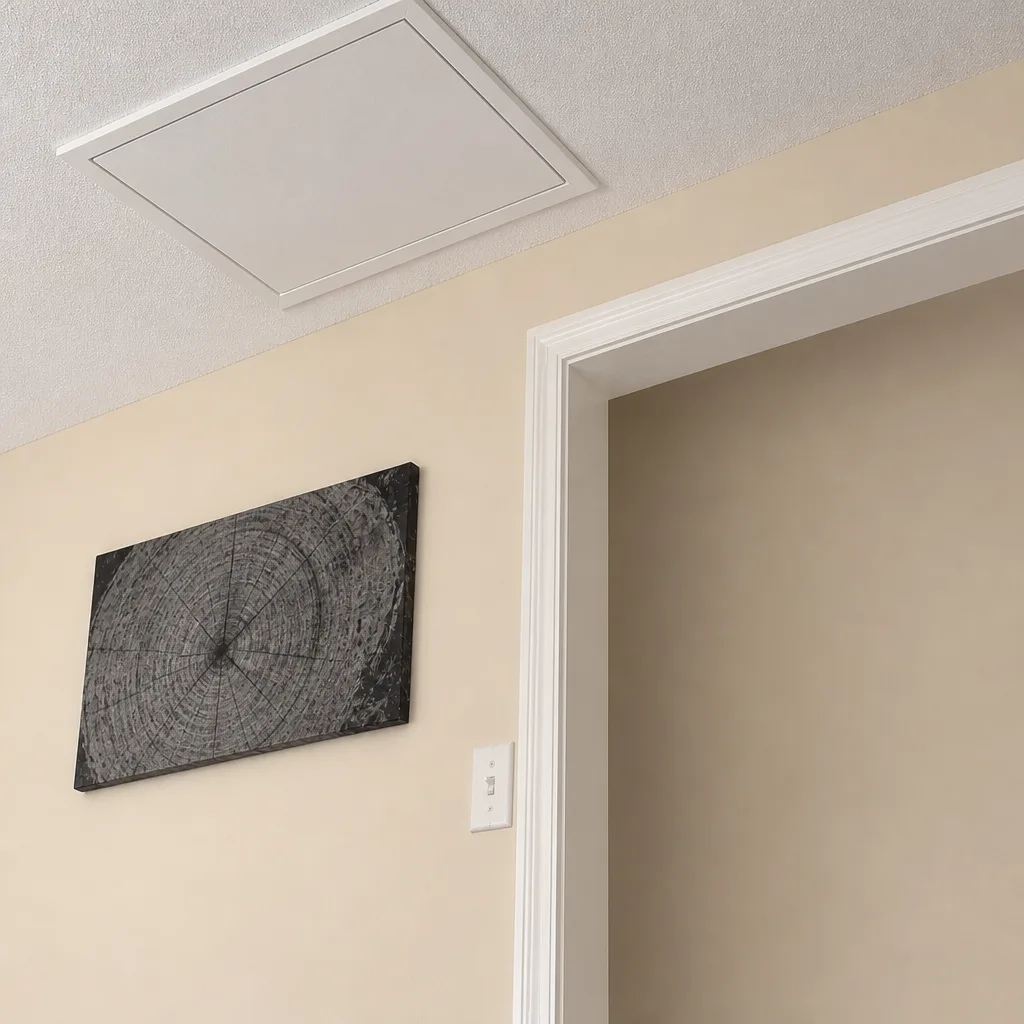
- “Do you provide before-and-after photos?” Photos of the ducts you own are how you verify what was actually done. Not the company’s photos of another job – photos of your system.
None of these questions are hostile. They’re standard due diligence, and a contractor with real technical depth will appreciate them. Find the source, not just the symptom – and find out whether the proposed fix crosses the permit line before the work starts.
Code Compliance vs. Indoor Air Quality Guidelines
It’s easy to blur these two together because they sound similar and both concern your ducts. They are not the same thing, and treating them as interchangeable leads to confusion.
- Code compliance (WAC 51-51): mandatory. Governs installation standards – support, sealing, insulation, connections. Violations can surface at inspection, sale, or insurance review. Permits and inspections apply here.
- Indoor air quality guidelines (NADCA, EPA): voluntary. Best-practice recommendations covering procedures, containment, cleaning methods, and verification. Not enforced by any agency. A contractor can follow these standards or ignore them, and no permit is involved either way.
The distinction matters because a clean permit record doesn’t guarantee a clean system, and a well-cleaned system doesn’t guarantee permitted repairs. You can have one without the other. A thorough duct professional operates to both standards: mechanical work to code, cleaning to the voluntary best practices set by NADCA.
For our part, we use Abatement Technologies filtration on-site – the same category of equipment used in professional remediation environments – because the containment standard matters even when no permit is involved. That’s a voluntary choice on our end, and it’s the kind of detail worth asking about when you’re comparing contractors.
What Queen Anne’s Housing Stock Means for Your Duct System
Queen Anne is one of Seattle’s older neighborhoods, and the housing stock reflects it. Craftsman bungalows, Tudor revivals, and mid-century homes all sit on the hill, and their duct systems vary widely. Some were originally designed around forced air. Others have had ductwork retrofitted into spaces that were never intended for it – under floors, through closets, and along attic rafters.
That retrofit history is where a lot of permit questions come from. When a duct run was added to a Queen Anne home decades ago, it may not have been permitted at the time. It may also have been installed to standards that have since been updated. When we clean these systems and find a run that appears non-standard, the conversation shifts toward repair and the permit question becomes relevant.
Queen Anne’s humid winters and dry summers also stress duct systems. Flexible ducts in unconditioned crawl spaces can sag, crack, or pull free at the collar over time. Regular cleaning and a periodic inspection of the duct joints catch these problems early. Our technicians have up to 11 years of experience working on these types of systems, and the pattern is consistent – the repairs that turn into permit conversations are the ones that were never done properly the first time.
What an Inspection Actually Looks At
If a permit is required for a repair, an inspection follows. Understanding what the inspector is checking for helps you know what to expect and what to have ready.
- Support: ducts must be supported at the intervals required by code. Sagging runs get flagged.
- Sealing: joints must be sealed consistently. Tape alone is sometimes not enough – mastic or code-approved sealing is required.
- Insulation: ducts in unconditioned spaces must be insulated to the required level. This is where older systems in Queen Anne often fall short.
- Connections at the air handler: the junction between the duct and the equipment is a common failure point and a common inspection finding.
- Permit scope match: the inspector verifies that the work actually done matches the work on the permit. Extra changes made without permit amendment can create problems.
For cleaning-only work, there is no inspection. That’s part of why cleaning is straightforward and repairs are not. If the contractor recommends a repair, ask what an inspection would look for on that specific scope so you understand what the pass criteria are.
Air duct cleaning in Queen Anne and duct repair are related but distinct services, and the documentation trail reflects that difference.
Common Mistakes to Avoid
- Assuming all duct work is “just cleaning.” The permit line exists, and it matters. Ask about scope before any repair begins, especially in a home that has had ductwork retrofitted.
- Accepting a contractor’s permit answer without documentation. Verbal reassurance that “you don’t need a permit for this” is not the same as a written scope that explains why. Get it in writing.
- Skipping the before-and-after photos. Photos of your own ducts are your verification that the work described in the estimate was actually performed. Ask for them, even on cleaning-only jobs.
- Hiring on price alone. The cheapest bid is often the one that treats a duct repair as a cleaning job and skips both the permit question and the code standard. That’s how unpermitted repairs end up on a home inspection years later.
- Ignoring a disconnected joint found during cleaning. If a flex run has pulled free, reconnecting it properly matters for both air quality and system performance. Flag it and decide before the contractor leaves.
- Confusing NADCA standards with code. NADCA best practices are voluntary. WAC 51-51 is not. A contractor should be able to explain the difference on the same call.
- Forgetting the dryer vent when you think about duct systems. dryer vent cleaning is a separate service with its own code concerns around vent termination and material. If the vent line is being altered, ask the same permit-scope question.
See the difference
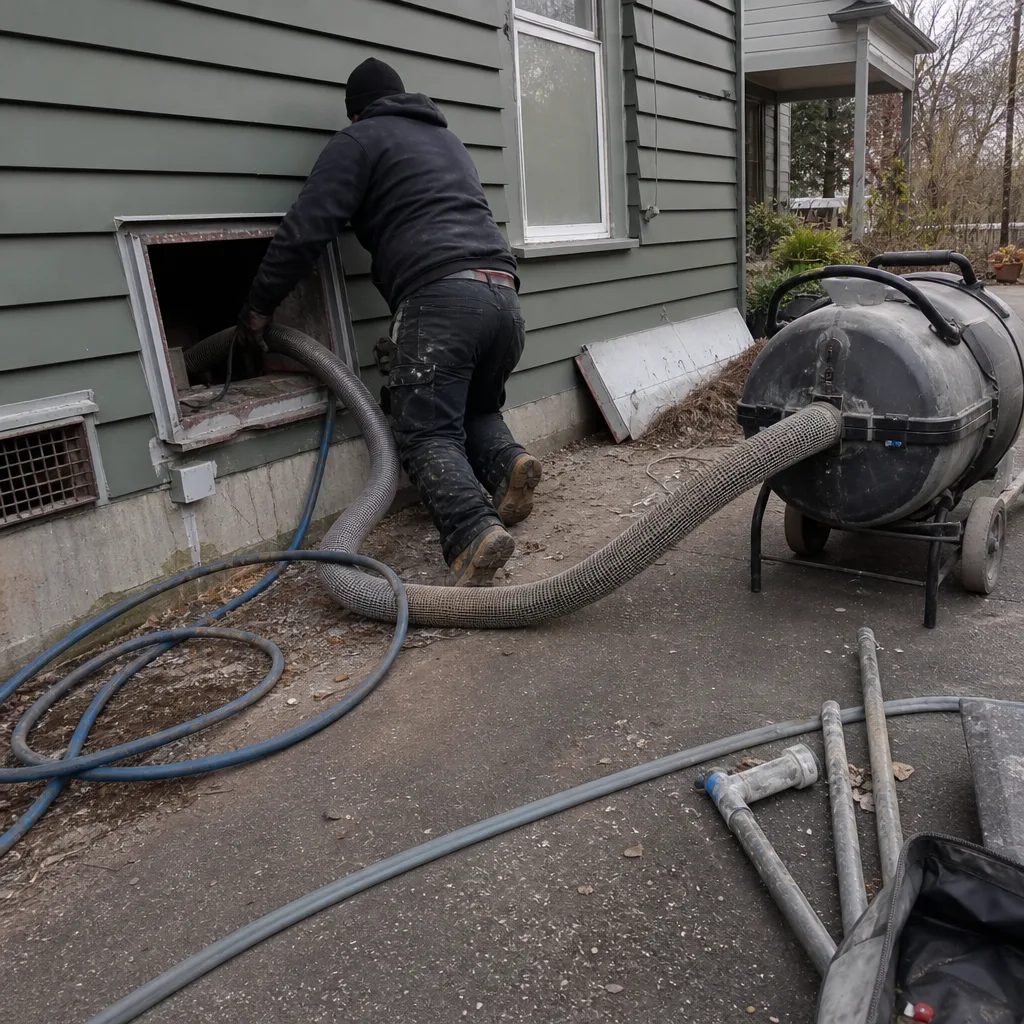 Before
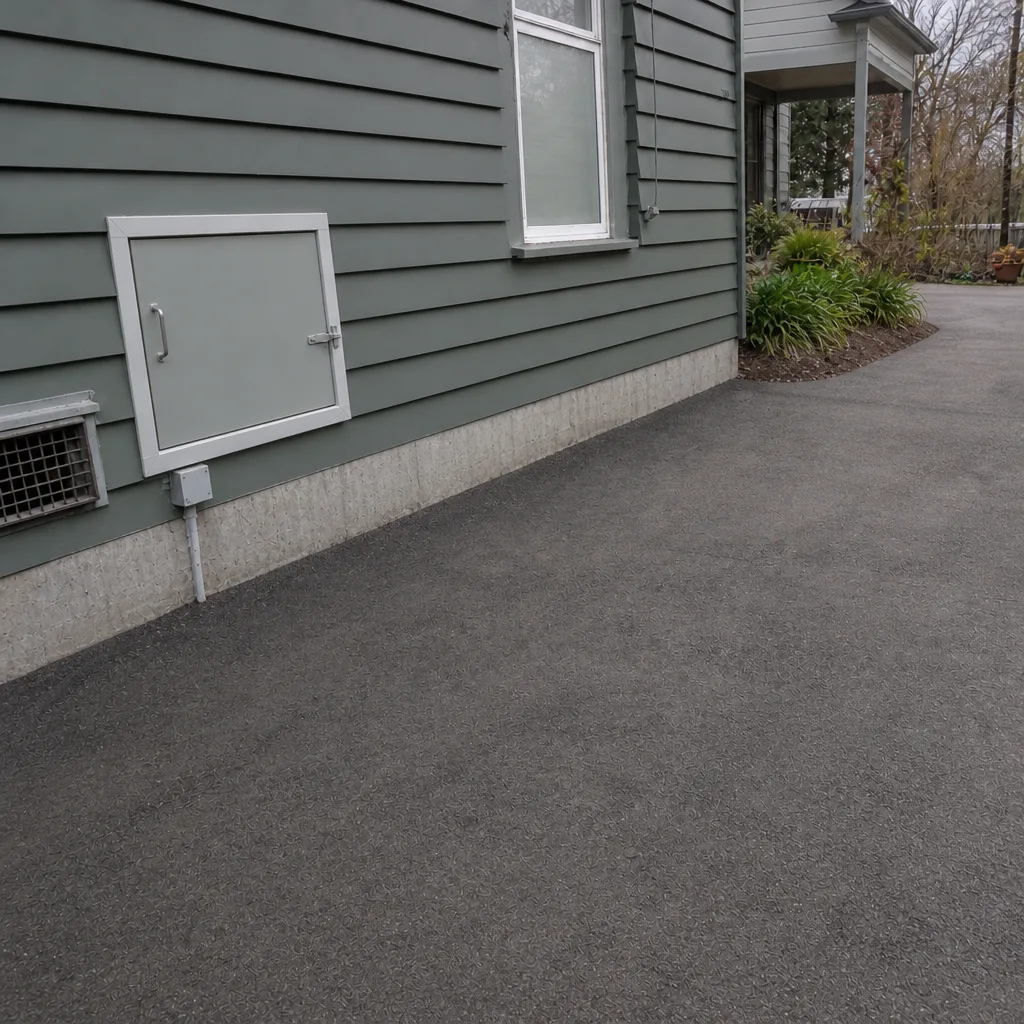 After
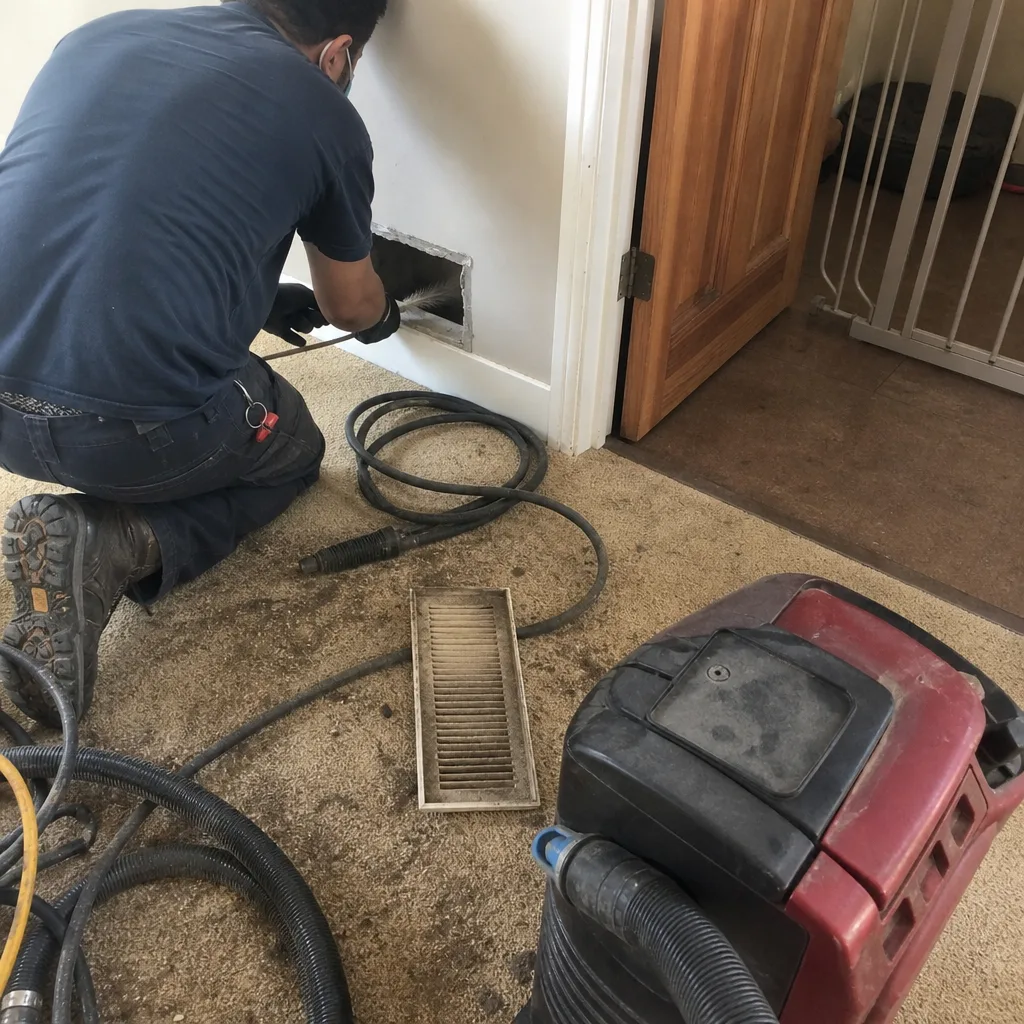 Before
 After
 Before
 After
When to Call a Professional
If you’re unsure whether a duct repair needs a permit, that’s the moment to have a professional look at the system. Call us when a home inspector flags ductwork, when you’re preparing to sell and want documentation, when a duct run appears to have come loose, or when your HVAC system is being upgraded and the ductwork needs evaluation. The permit question is a technical one, and getting it right on the front end saves the complications that come up during a sale. Air Duct Cleaning Queen Anne offers free estimates in Queen Anne – call (833) 736-3635. We answer 24/7. Fast dispatch from 7am to 7pm, Sunday through Friday.
Frequently Asked Questions
Cleaning alone generally does not require a permit in Washington State. Source removal of dust and debris from existing ductwork is maintenance, not alteration, so no mechanical permit is typically needed. If the scope includes replacing duct sections or adding new runs, the permit question comes up. Call (833) 736-3635 for an exact quote and scope discussion – estimates are free.
Replacing a duct section is usually treated as mechanical work under Washington State’s residential code and often requires a mechanical permit through Seattle DCI. The specific requirement depends on the scope – a section replacement is different from resealing a joint. Ask the contractor to confirm in writing whether the proposed scope requires a permit. Call (833) 736-3635 for an estimate.
NADCA standards are voluntary best-practice guidelines for duct cleaning. Washington State’s residential code, WAC 51-51, is mandatory and governs duct installation. Code compliance covers support, sealing, insulation and connections. NADCA covers cleaning methods and containment. A contractor can follow one and not the other, which is why asking about both matters on the same call.
Yes, they can. Home inspectors flag ductwork that appears altered without a permit on record, and that flag can slow a closing or lead to a holdback while the repair is verified. Queen Anne’s older homes often have retrofitted ductwork that was never permitted, so it’s worth sorting out before a sale. Call (833) 736-3635 to schedule an evaluation.
You should, and we provide them on every job. Photos of your own ducts are how you verify the work was actually performed to the scope in the written estimate. One flat price per system is agreed before work starts, and the photos show what was cleaned. Call (833) 736-3635 for an exact quote – estimates are free.
Most systems benefit from cleaning every few years, and the timing depends on the home. Queen Anne’s older housing stock, frequent renovations, and heavy pollen seasons can shorten the cycle. If you’ve recently renovated, bought a home, or had your HVAC upgraded, that’s a good trigger for a cleaning. Call (833) 736-3635 for an exact quote – estimates are free.
The Bottom Line
The permit line between duct cleaning and duct repair is real, and it exists where the work changes the system rather than maintains it. Cleaning is maintenance and does not require a permit. Replacing duct sections, adding runs, or reconfiguring the system usually falls under WAC 51-51 and often requires a mechanical permit through Seattle DCI. Code compliance is mandatory; NADCA and EPA indoor air quality guidelines are voluntary. Get the scope in writing, ask the permit question on the front end, and ask for before-and-after photos of your own ducts. That’s how you protect yourself against both permit surprises and bait-and-switch pricing. We cover the full system on a single call – cleaning, repair and sealing, and sanitizing with professional-grade equipment. Call (833) 736-3635. We answer 24/7. Fast dispatch from 7am to 7pm, Sunday through Friday.
Written by the team at Air Duct Cleaning Queen Anne.