
Last updated November 22, 2026
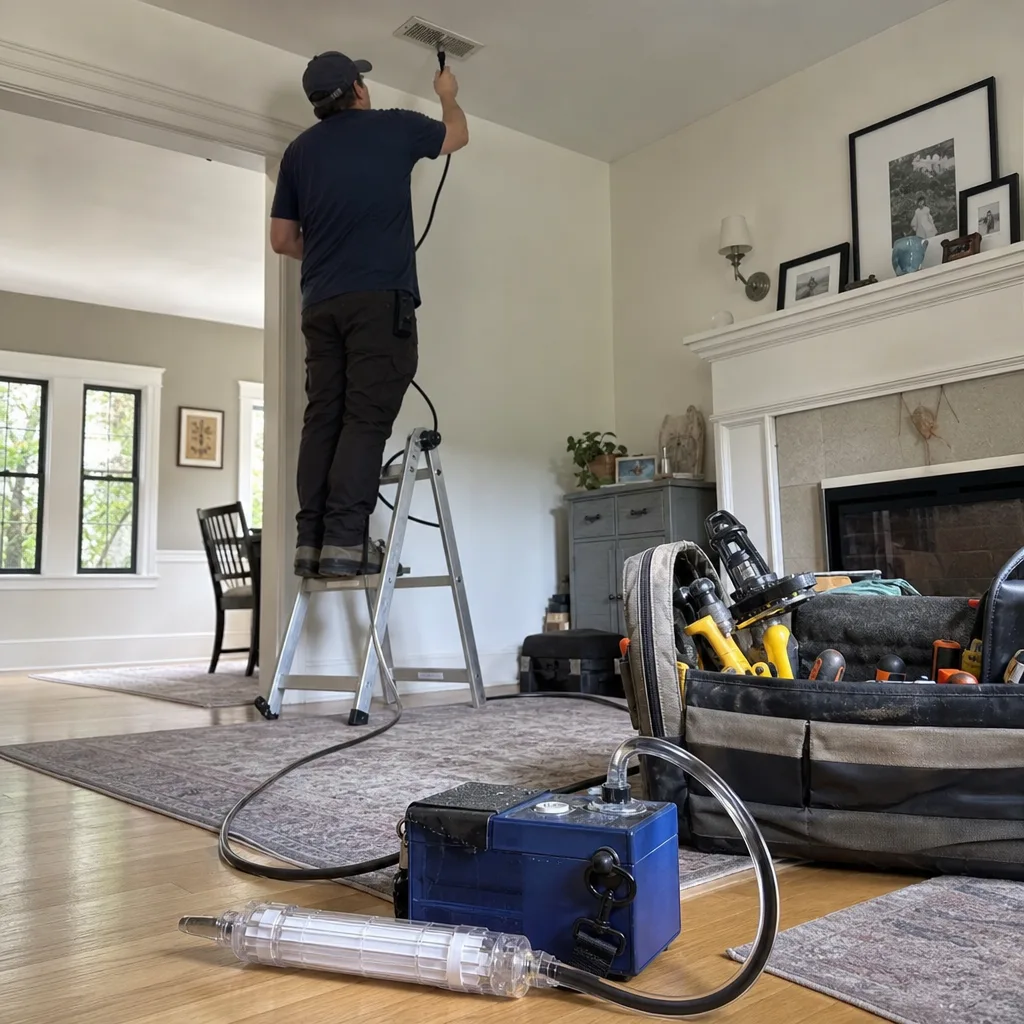
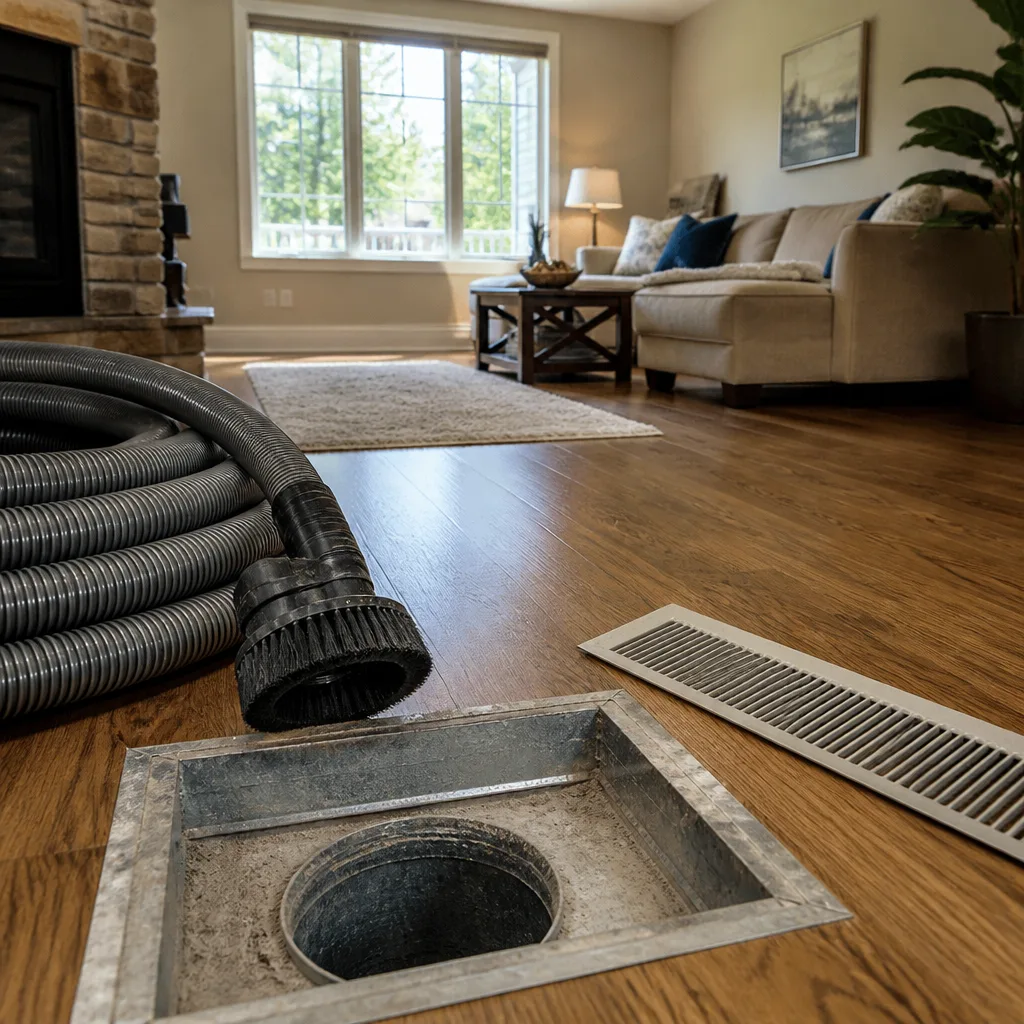 Whole-home duct cleaning
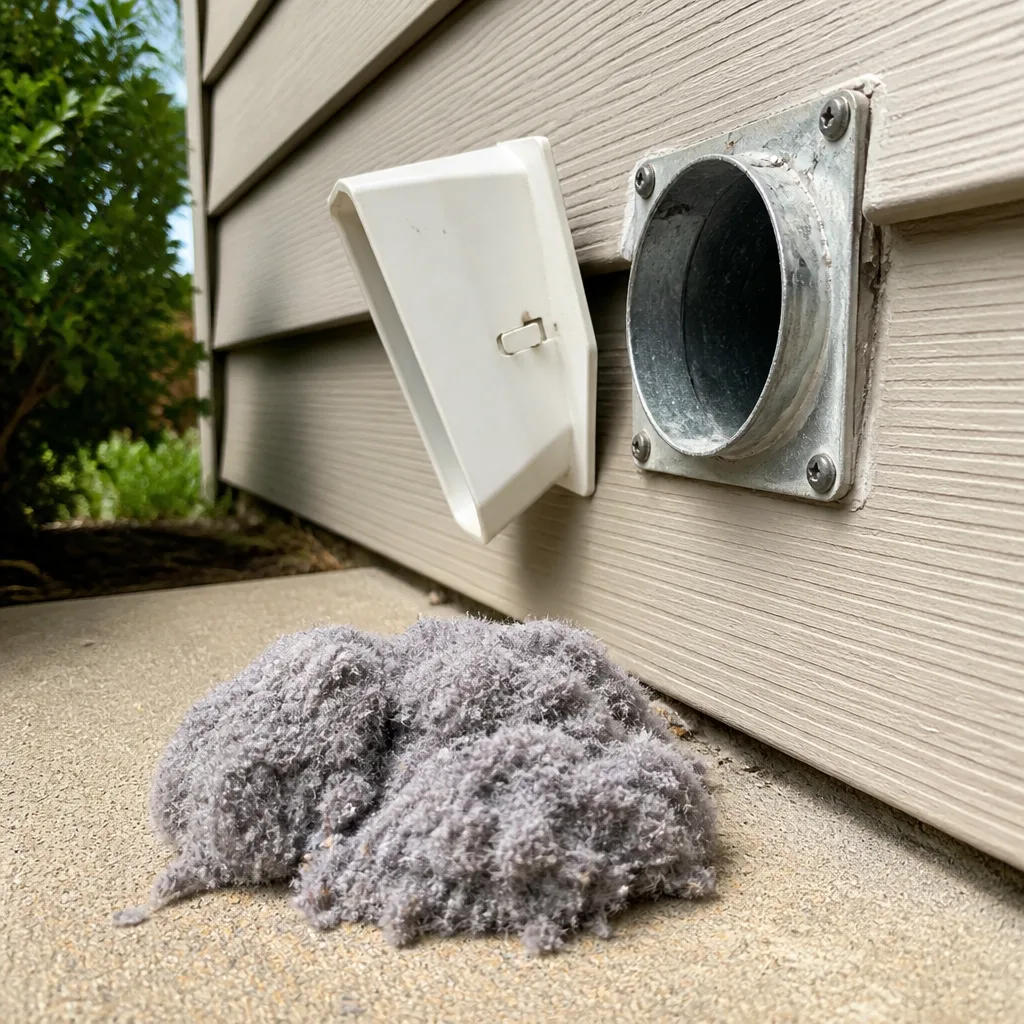 Dryer vent cleaning
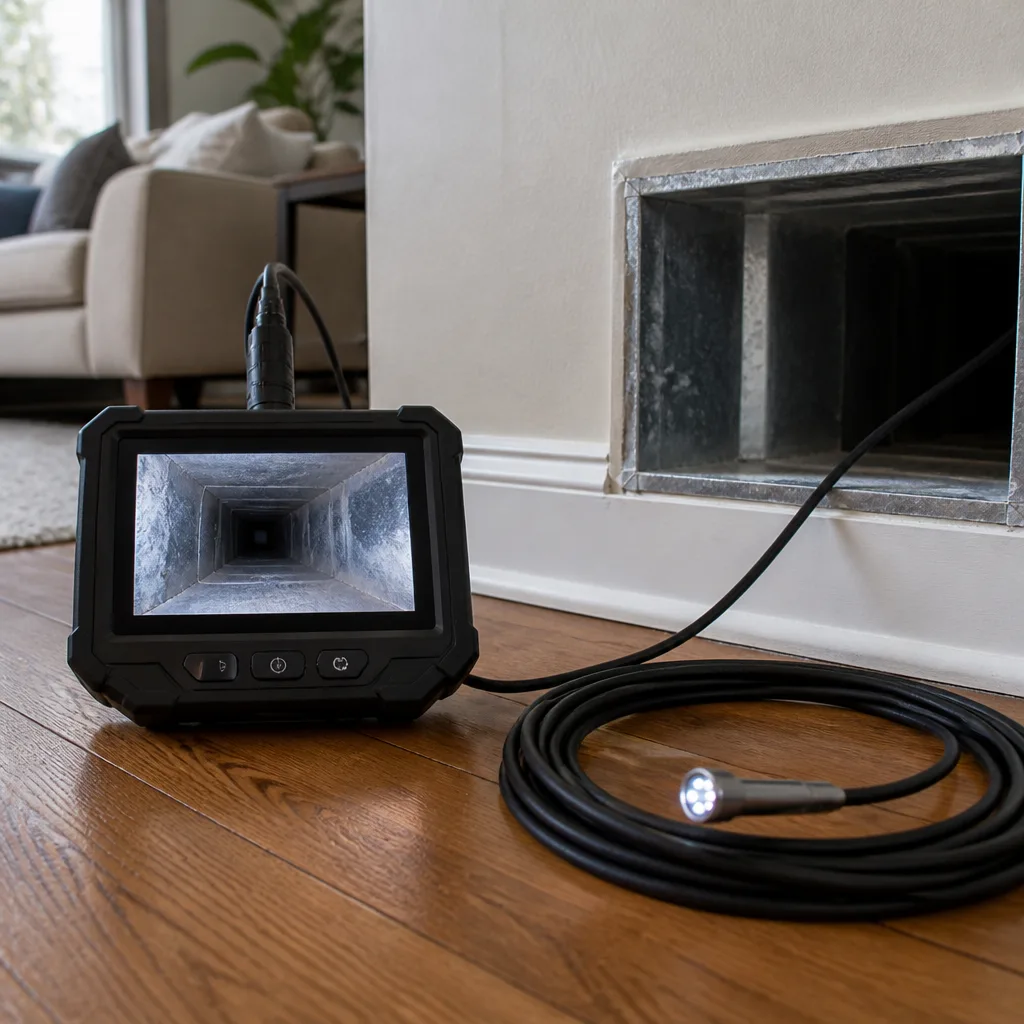 Camera inspection
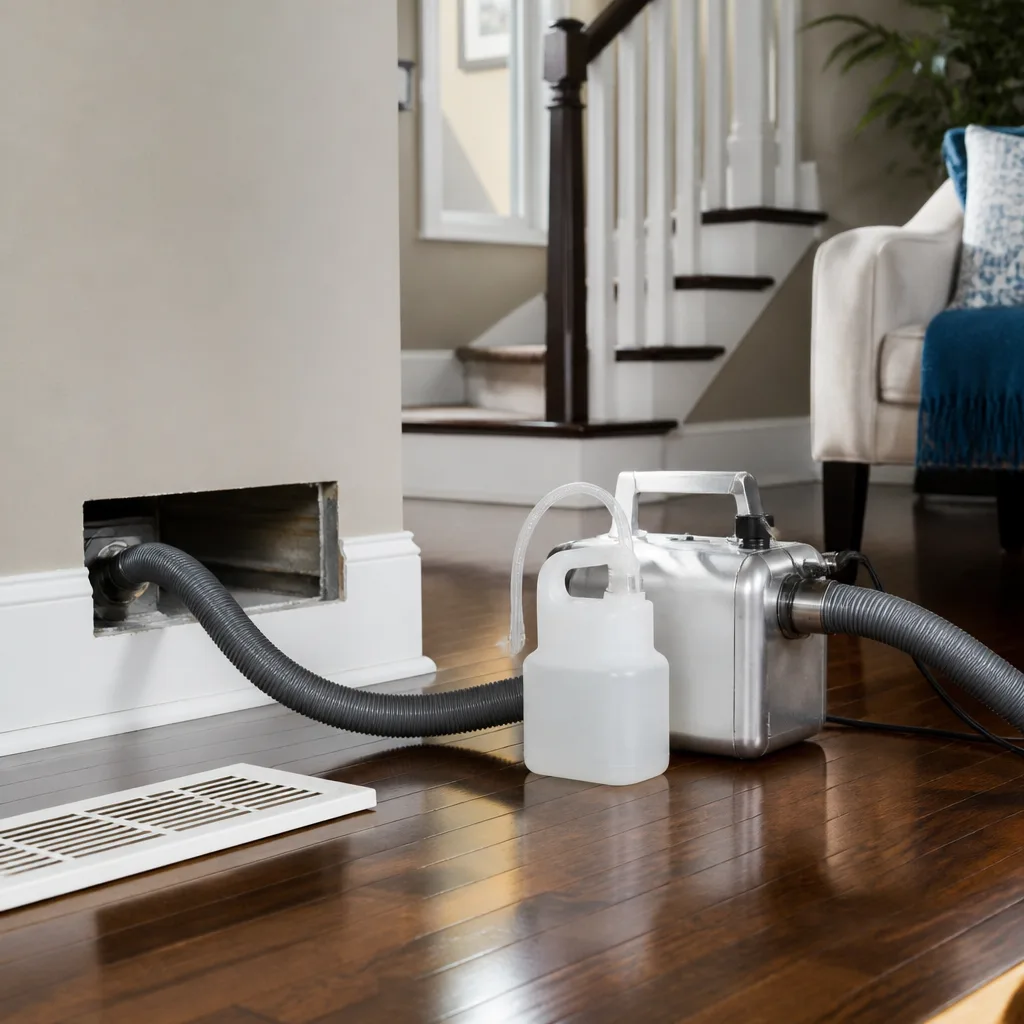 Sanitizing & deodorizing
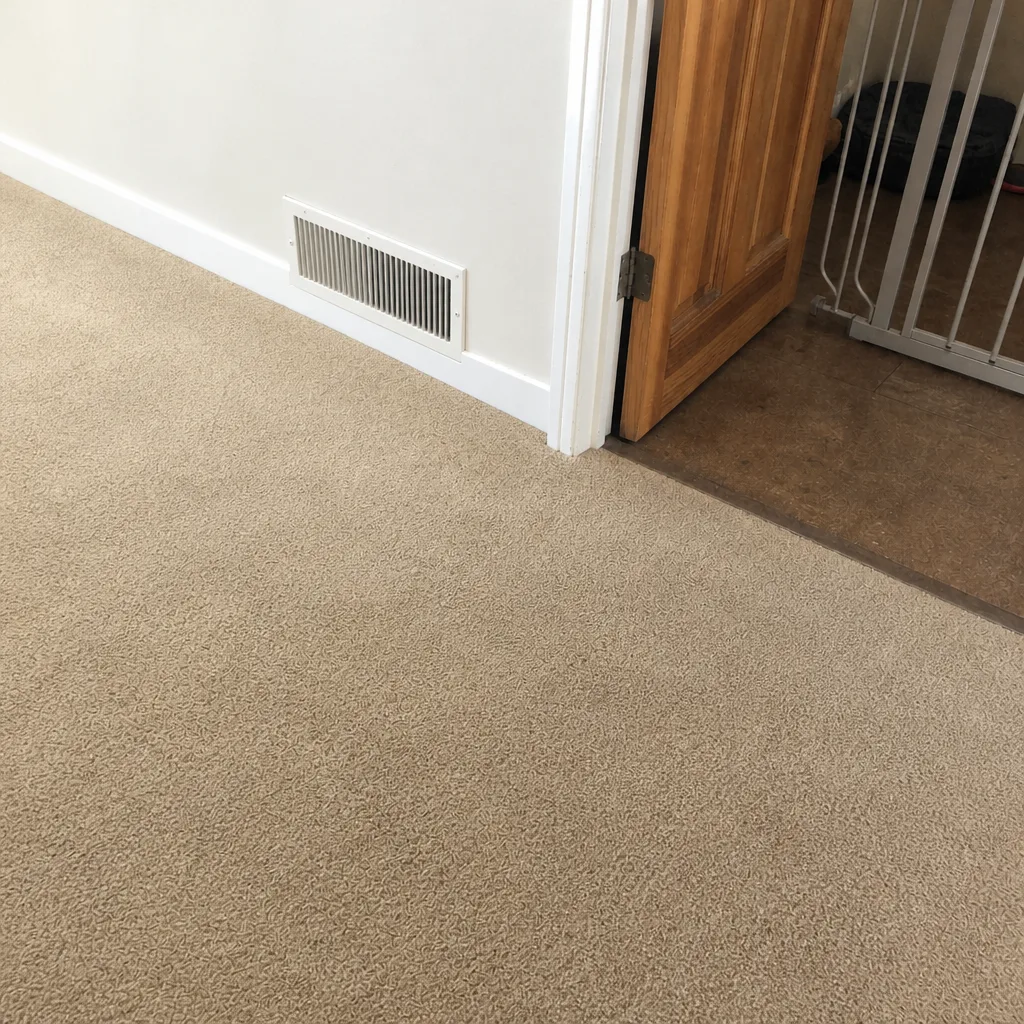
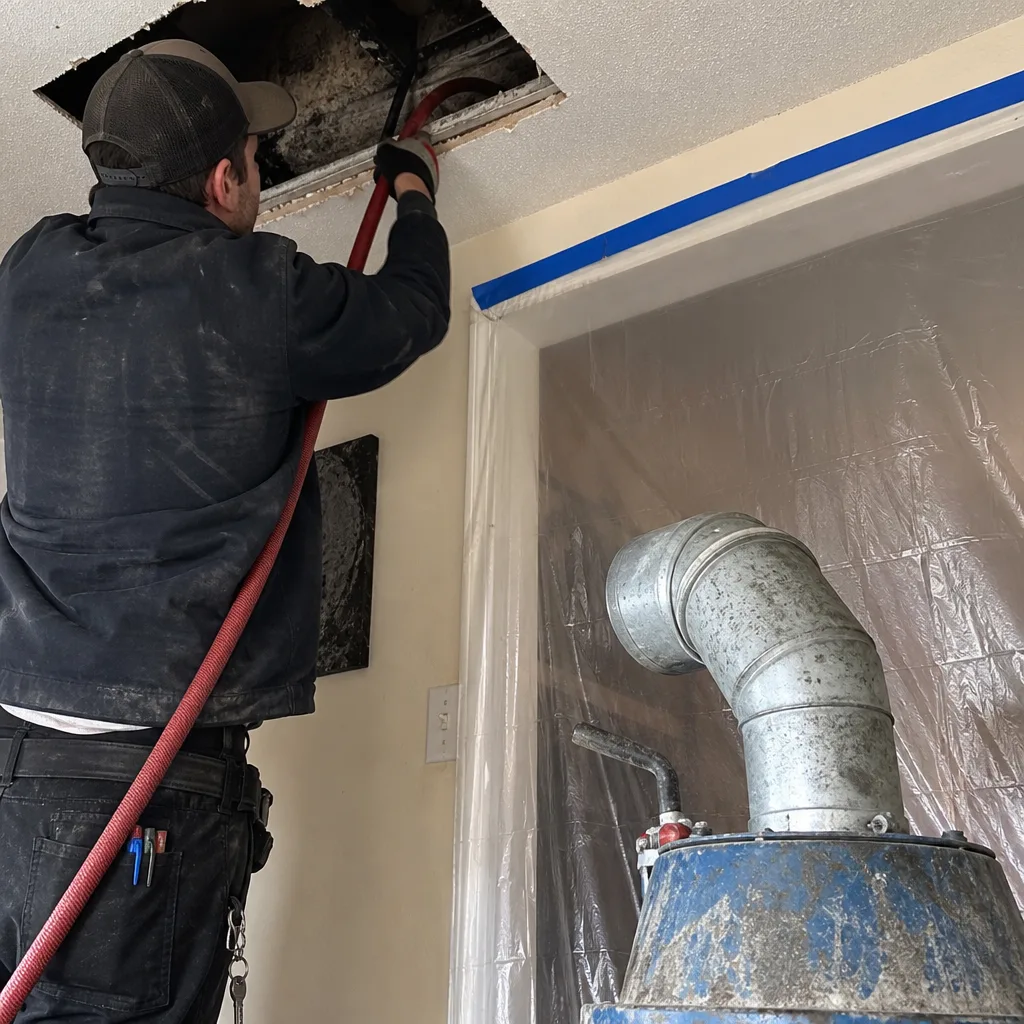
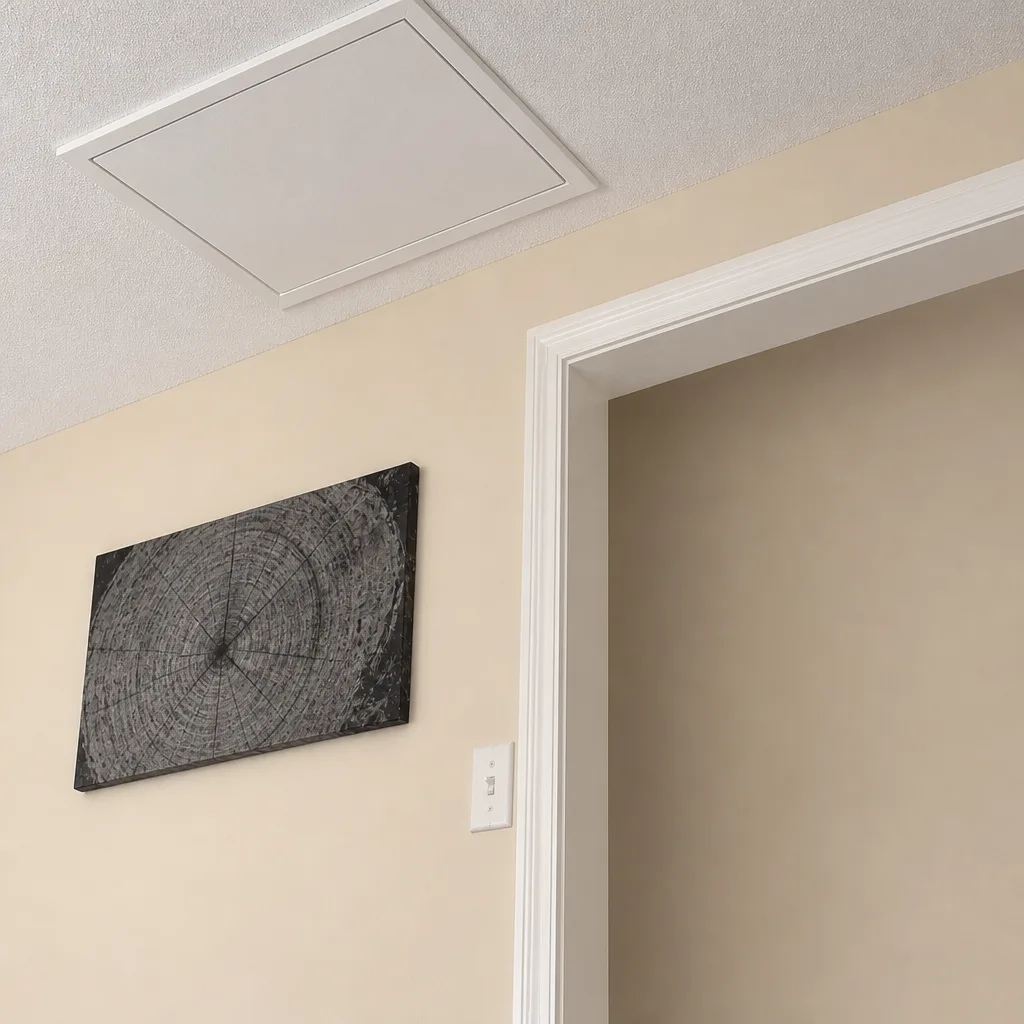
Whole-system duct and dryer vent check with before-and-after photos - you see exactly what came out of your vents
That "$99 whole-house special" is a bait ad - the real number appears once they are in your hallway, or the "clean" is a shop-vac at the register. We photograph the inside of your ducts before and after instead.
How to Hire an Air Duct Cleaning Contractor in Queen Anne: A Step-by-Step Guide
Washington State does not require a specialty license to clean residential air ducts. Any company with a general contractor registration and a shop vac can legally take your money and touch your HVAC system. That’s the uncomfortable part of hiring in this trade, and it’s why the difference between a qualified contractor and an unqualified one rarely shows up on a business card. What separates them is equipment, process documentation, and what a contractor is willing to put in writing before the work starts. In this guide, we’ll walk you through a concrete interview and verification process you can run yourself in Queen Anne, from the questions to ask on the phone to the paperwork you should have in hand before anyone touches a register.
Quick Answer
To hire an air duct cleaning contractor in Queen Anne, verify the company’s Washington State contractor registration, ask five specific questions about equipment and process, insist on a pre-inspection before any price is quoted, and require a written scope that names access points and what happens if repairs are found. A legitimate contractor will answer all of it without hesitation. One who won’t is telling you something.
Styles & brands we work with
- Whole-home duct cleaning
- Dryer vent cleaning
- Camera inspection
- Sanitizing & deodorizing
Table of Contents
- Why Air Duct Cleaning Has Almost No Licensing Barrier in Washington
- How to Verify a Washington State Contractor Registration
- What NADCA Membership Actually Verifies, and What It Doesn’t
- The Five Equipment Questions to Ask Before You Book
- Why a Pre-Inspection Should Come Before Any Price
- Red Flags in a Quote: What to Walk Away From
- What a Legitimate Contractor Should Give You in Writing
- What Happens If Repairs Are Found Mid-Job
Why Air Duct Cleaning Has Almost No Licensing Barrier in Washington
Air duct cleaning sits in a gap. Washington regulates electricians, plumbers, and asbestos abatement contractors with specific specialty licenses. Residential duct cleaning is not one of those categories. What a company needs is a general contractor registration through the Department of Labor & Industries, which covers the business entity and its insurance, not the technical competence of the person holding the vacuum hose. That’s the gap this guide is built around.
It matters more in a place like Queen Anne than it might elsewhere. The neighborhood has one of the densest concentrations of older housing stock in Seattle, a mix of pre-war craftsman homes, mid-century builds, and the newer townhome rows that have filled in the blocks around Queen Anne Avenue and the slope down toward Interbay. Older ductwork is often unsealed, undersized, or was retrofitted decades after the house was built. Newer construction brings its own issues, usually flex duct routed through tight chases where a technician can’t see what they’re doing without a camera. A contractor who doesn’t understand either situation can do real damage, or simply charge you for work that never addressed the actual problem.
The practical takeaway: a registration on file is a floor, not a ceiling. It tells you the business exists and carries basic coverage. It tells you nothing about whether the technician has ever used negative pressure equipment or knows what a return plenum is. That verification is on you, and the rest of this guide is about how to do it quickly.
How to Verify a Washington State Contractor Registration
You can check any contractor’s registration yourself through the Washington State Department of Labor & Industries before you book. It takes a few minutes and it’s the first thing to do.
- Go to the L&I contractor lookup and search the business name or registration number the company gives you.
- Confirm the registration is active, not expired or suspended.
- Check that the business carries a current bond and general liability insurance through the listing.
- Confirm the registration name matches the name on the estimate and the invoice.
- Ask whether the people doing the work are employees or subcontractors, and get the answer in writing.
What that registration does not cover: the quality of the duct cleaning, the technician’s training, whether the equipment is appropriate, or whether the work is done to any published standard. Those are separate conversations. A registered contractor can still show up with a shop vacuum and call it a full-system clean. Registration is the baseline; the interview questions below are the substance.
One local wrinkle: Queen Anne has a number of property managers handling multi-unit buildings and older rental stock along the commercial strips. If you’re hiring on behalf of a property, ask the contractor for a certificate of insurance naming the property’s ownership or management as additional insured before the work is scheduled. That’s standard for commercial work and a reasonable request even for a single building. The Air Duct Cleaning Queen Anne team can typically supply that documentation alongside the estimate.
What NADCA Membership Actually Verifies, and What It Doesn’t
NADCA, the National Air Duct Cleaners Association, publishes the industry’s best-known standard for duct cleaning and offers membership and individual certification. It’s the closest thing to a credential in a trade that has no state license. But a logo is not a guarantee, and treating it like one is a common mistake.
What NADCA membership generally signals:
- The company has committed to a published standard of care for assessment, cleaning, and restoration.
- At least someone in the organization has engaged with formal training on duct system cleaning.
- The company has agreed to a code of ethics around quoting and scope.
What it does not verify:
- That the technician who arrives at your Queen Anne home is the certified one. Certification is often individual, and membership is organizational.
- That the equipment on the truck matches the standard. You can be a member and still run underpowered gear.
- That the crew will use an inspection camera, a HEPA-filtered exhaust, or a source-capture setup on your specific system.
- That the scope in your quote is complete. Membership doesn’t audit individual jobs.
So use NADCA as a starting filter, not a verdict. If a company holds membership, ask who on the crew is trained and whether that person will be on site. If they can’t answer, the logo isn’t doing the work you thought it was. Ask the equipment questions in the next section regardless of credentials.
The Five Equipment Questions to Ask Before You Book
This is where the interview gets concrete. Every question below is something a qualified contractor answers easily and an unqualified one deflects. Ask them on the phone before you schedule. Write the answers down.
- What’s your negative pressure capacity, and how do you maintain it? Professional duct cleaning relies on putting the whole system under negative pressure so loosened debris is pulled toward the collection unit instead of into your living room. Ask what equipment they use. We run Rotobrush and Nikro systems, which are purpose-built for this trade rather than adapted from general construction vacuums. A vague answer here is a real problem.
- Is the exhaust HEPA filtered? The air pulled out of your ducts has to go somewhere. If it’s exhausted without filtration, fine particulate goes back into the house. Ask specifically for HEPA filtration on the exhaust, and ask whether they use containment equipment. We deploy Abatement Technologies air filtration on site, which is the same category of equipment used in professional remediation work.
- Do you use an inspection camera, and will you show me the footage? A camera is how you and the technician both see what’s actually in the ducts, especially in the tight flex runs common in newer Queen Anne construction. Ask whether you’ll see before-and-after images of your own system.
- What agitation tools do you use? Negative pressure alone won’t lift adhered debris. The technician needs mechanical agitation, whether that’s rotary brushes, air whips, or compressed-air tools matched to the duct material. Ask which tools they’ll use on your duct type, since metal and flex require different approaches.
- What sanitizer do you use, and is it EPA-registered? Sanitizing is a separate service from cleaning, and the product matters. Ask for the EPA registration number on the sanitizer they plan to apply, and ask whether it’s appropriate for the occupants of the home, including anyone with sensitivities.
If a contractor can’t answer three of these five clearly, that’s the whole interview. You’ve found the gap without spending a dollar. A company serious about its process will welcome the questions.
Why a Pre-Inspection Should Come Before Any Price
A price quoted over the phone, sight unseen, is a guess dressed up as an offer. Duct systems vary enormously. A 1920s Queen Anne bungalow with original metal trunk-and-branch ductwork is a different job from a 2015 townhome with tight flex runs and multiple returns. The number of registers, the accessibility of the plenum, the presence of contamination or damage, and whether the system needs sealing all change the scope and the price. A contractor who quotes without looking is either about to pad the invoice or about to underpromise and over-deliver on fees once they’re on site.
A proper pre-inspection includes:
- A walkthrough of the home to count registers, returns, and the air handler location.
- An inspection camera view of representative duct runs.
- A check of the plenum and any accessible connections for gaps, disconnected joints, or pest intrusion.
- A conversation about what you’ve noticed: dust on surfaces, musty smells, uneven airflow, allergy triggers, a recent renovation.
- A written scope and a flat price per system, agreed before any work begins.
In Queen Anne specifically, we look at how the house sits on the slope. Homes on the south and west slopes get more sun and more heat cycling through attic ductwork, which can loosen joints over time. Homes lower toward the water see more seasonal moisture in crawl spaces, which is a common path for contaminants into the return side. That’s not a reason to alarm anyone, it’s a reason the inspection should actually happen. You’ll get a scope based on your house, not on a script. Compare that against the air duct cleaning process in detail if you want the full picture of what the visit covers.
Red Flags in a Quote: What to Walk Away From
The bait-and-switch problem is real in this trade, and it has a recognizable shape. Here’s what to watch for.
- Unusually low flat-rate pricing with no inspection. A price quoted before anyone sees the system is a teaser, not an estimate. Expect it to grow once the technician is on site and “discovers” problems.
- Per-vent pricing with no whole-system scope. Charging by the register incentivizes the contractor to count vents and stop there, without addressing the plenum, the returns, or the trunk line where most of the contamination sits.
- No pre-inspection offered. If the company is willing to book without looking, they’re not diagnosing, they’re selling.
- Vague scope language like “full system clean” with nothing else. A real scope names the number of registers, the returns, the plenum, the access points, and what happens if damage is found.
- No before-and-after photographs promised. If you can’t see the inside of your own ducts before and after, you have no way to know what was done.
- Pressure to sanitize or add services before any inspection. Sanitizing is legitimate, but it should follow a diagnosis, not precede it.
- No written estimate at all. The price should be one flat number per system, in writing, agreed before work starts. Anything else is a moving target.
The pattern underneath all of these is the same: the contractor wants to be on site before the scope is fixed. That’s the moment the leverage shifts. When you have a written scope and a flat price in hand first, the negotiation has already happened.
What a Legitimate Contractor Should Give You in Writing
Before the first technician arrives, you should have a document that answers every question a reasonable homeowner would ask. If the paperwork is thin, the process is thin.
Here’s what a proper written scope includes:
- The flat price per system. One number, not a range, not a per-vent rate, not a “starting at.” That’s the price.
- The named services. Air duct cleaning, dryer vent cleaning, HVAC cleaning, duct repair and sealing, and air quality and sanitizing are distinct services. The scope should say exactly which ones you’re buying.
- Access points. Where the crew will cut in, and how those cuts get sealed afterward.
- Equipment list. The extraction system, the filtration, the inspection camera, the agitation tools.
- What happens if repairs are found. The contractor should commit, in writing, to stopping, showing you the issue, and getting your approval before adding any repair work to the invoice.
- The deliverable. Before-and-after photographs of your own system, and any documentation of the work performed.
That last point is the one most people never ask about and should. When a contractor takes before-and-after photos of your ducts, you’re not relying on trust. You’re looking at evidence. We show before-and-after images of every system we clean, and we treat the written estimate as the final word on price. If a repair is needed and you approve it, it goes in writing first. If you don’t approve it, the original price stands.
If you want to extend the conversation into long-term air quality, a contractor who also installs Aprilaire and Honeywell filtration products can talk you through whole-home options after the cleaning is done, based on what the inspection actually found. That’s a natural next step, not a sales script at the door.
What Happens If Repairs Are Found Mid-Job
This is the scenario that separates a diagnostic contractor from a cleaning crew, and it’s the one most quotes never address. In an older Queen Anne home, a technician running a camera through the ductwork may find disconnected joints, crushed flex sections, pest intrusion, or deterioration that cleaning alone won’t fix. In newer construction, the same happens with poorly supported flex and fittings that were never sealed properly at installation.
Here’s how a reputable contractor handles it:
- Stop work in the affected area and document the finding with photographs or video.
- Show you what was found and explain what it means for the system.
- Provide a written option for the repair, separately priced from the original cleaning scope.
- Get your written approval before doing the repair.
- Complete the repair and sealing, then finish the cleaning so the system is left whole.
The reason this matters: cleaning a system with disconnected joints or unsealed penetrations is a partial job. Debris re-enters through the same gaps, and you’re back at the start within a season. Duct repair and sealing addresses the source, not just the symptom. That’s why we offer it as its own service alongside cleaning, and why a contractor who can’t handle it should tell you up front that you’ll need a second company. If they don’t mention it, ask.
One more note on scope: the full-system visit is where the value concentrates. We clean, sanitize, clear the dryer vent, and handle any mechanical repair under one company, which means you’re not coordinating three contractors and three schedules. That’s not a marketing point, it’s a practical one. You can read about the full HVAC cleaning side of the visit if you want to understand how the air handler and coil work get folded in. The dryer vent, meanwhile, is often the highest-stakes piece of the whole visit, since a clogged or damaged dryer exhaust is a leading cause of residential fires. That service stands on its own too, and it’s worth scheduling even if the ducts are fine.
Common Mistakes to Avoid
- Booking the cheapest quote without an inspection. A low price in Queen Anne often means the scope is thin. Expect the number to grow once the technician is through the door. Ask what the price includes before you schedule, and make sure it’s a flat rate per system, not a starting point.
- Treating a logo as a credential. NADCA membership, a BBB seal, or a certification badge all carry some weight, but none of them verify the technician arriving at your home. Ask who’s coming and what they’ll use.
- Accepting “full system clean” as a scope. That phrase means nothing specific. A real scope names registers, returns, plenum, access points, and equipment.
- Letting the contractor skip the camera. Without an inspection camera, neither of you can see what’s actually in the ducts. Older homes on the slope and newer townhomes both benefit from it, for different reasons.
- Not asking about HEPA filtration on the exhaust. If the exhaust isn’t filtered, fine particulate goes back into the house air. That’s the opposite of the service you’re paying for.
- Approving repairs verbally on the spot. Insist on written approval for any repair found mid-job, with a separate price and photos.
- Forgetting the dryer vent. Many homeowners book duct cleaning and skip the dryer vent, which is a distinct fire risk and a quick standalone service. Ask whether it’s included, and if not, schedule it separately.
See the difference
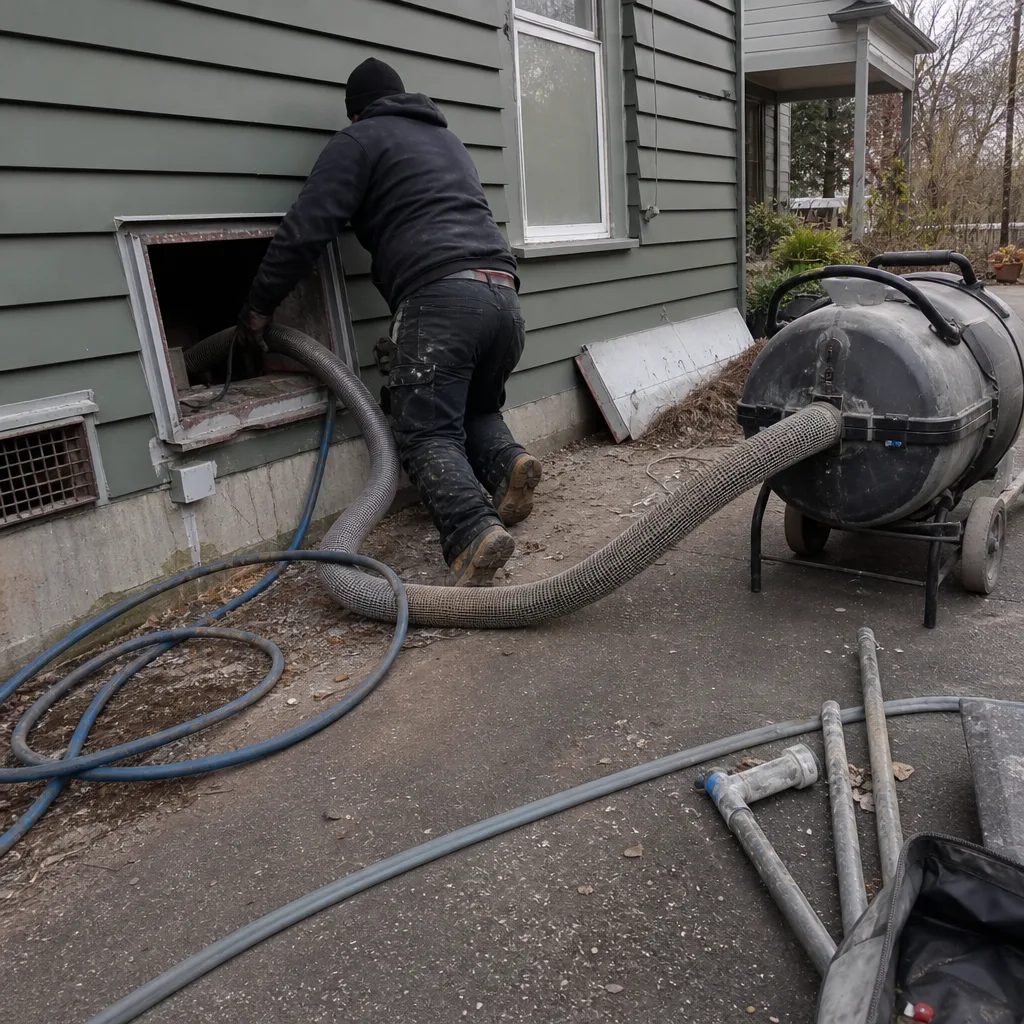 Before
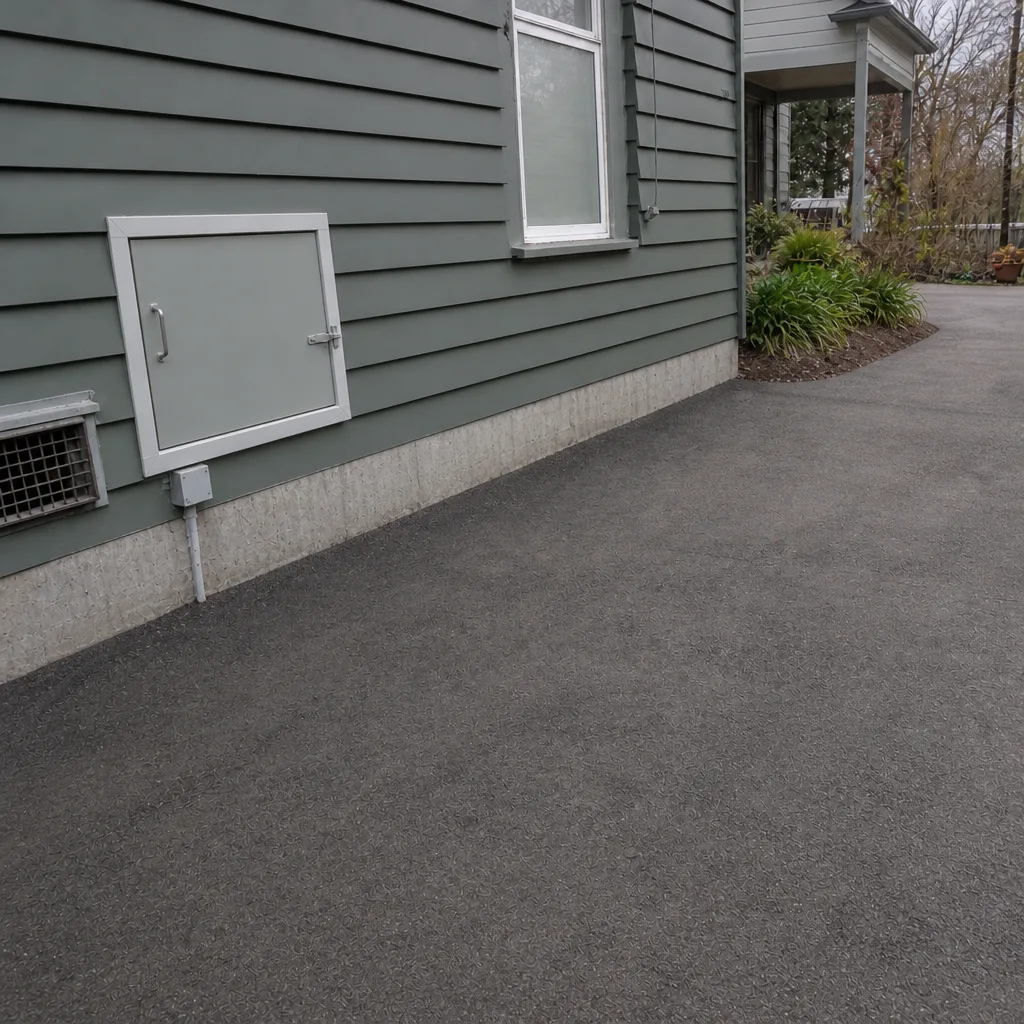 After
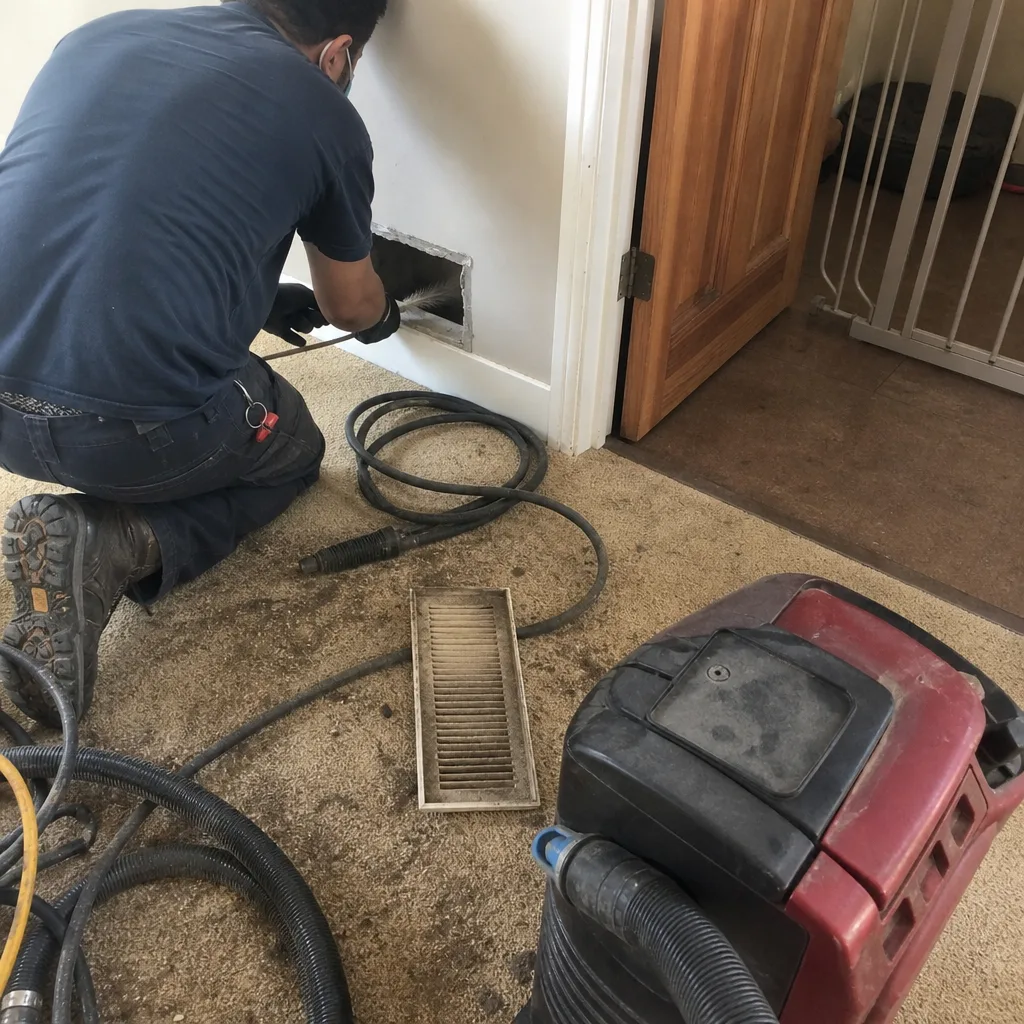 Before
 After
 Before
 After
When to Call a Professional
Some situations clearly call for a trained contractor rather than a consumer kit. If you’ve just finished a renovation and the return side is pulling construction dust, a professional cleaning is the correct move. If you’ve bought a home in Queen Anne and the inspection flagged the ducts or the dryer vent, get it addressed before you move in. If you’ve noticed musty odors when the system starts, uneven airflow across rooms, visible dust at the registers within days of cleaning, or a family member with worsening allergy symptoms indoors, those are all reasons to have the system inspected. If the dryer takes two cycles to dry a load, the vent likely needs to be cleared. And if you’re feeling pressure from a contractor to buy before seeing the system, that’s the moment to call someone else.
Air Duct Cleaning Queen Anne offers free estimates in Queen Anne. Call (833) 736-3635. We answer 24/7. Fast dispatch from 7am to 7pm, Sunday through Friday. The local pro is licensed and insured as their state requires, and the written estimate sets the final price.
Frequently Asked Questions
Most whole-system duct cleanings in Queen Anne run somewhere in the low-to-mid hundreds of dollars, with the range depending on the number of registers, the number of returns, the age and accessibility of the system, and whether the dryer vent or repairs are included. The written estimate sets the final price, and we quote one flat rate per system, not a per-vent charge. Call (833) 736-3635 for an exact quote. Estimates are free.
Cheap quotes usually come from a thin scope: consumer-grade vacuums, no inspection camera, no HEPA filtration on the exhaust, no pre-inspection, and no written commitment to what happens if damage is found. That’s the gap between a real duct cleaning and a surface pass with a shop vac. Ask the five equipment questions before you book, and compare on scope rather than the top-line number. Call (833) 736-3635 if you want an apples-to-apples estimate.
Ask for before-and-after photographs of your own system, and ask to see the inspection camera footage before and after. The photographic record of your ducts, not a general stock image, is the evidence. We show before-and-after images of every system we clean. Call (833) 736-3635 to schedule a free estimate with documentation included.
For most Queen Anne homes, every three to five years is a reasonable interval, with more frequent cleaning after major renovations, after moving into a new home, or if someone in the household has respiratory sensitivities. Homes with pets, or with older unsealed ductwork, often benefit from a check sooner. There’s no universal number, and any contractor who quotes one without looking at the system is guessing. Call (833) 736-3635 for a free inspection.
No. Washington does not require a specialty license for residential air duct cleaning, so the credential to check is the general contractor registration through the Department of Labor & Industries, which covers the business and its insurance but not the technical training of the technician. The equipment and process questions in this guide do the rest of the work. Call (833) 736-3635 if you want to hear how we answer them.
Yes. Dryer vent cleaning is a standalone service we offer, and it folds naturally into a full-system visit. Clearing the dryer exhaust is a fire-safety matter and worth doing whether or not the ducts are being cleaned. Call (833) 736-3635 and we’ll scope both services in one written estimate.
The Bottom Line
Hiring a duct cleaning contractor in Queen Anne comes down to verifying the business, interviewing the equipment, and demanding a written scope before anyone shows up. Washington’s lack of a specialty license means the burden is on you, but it’s a short list to work through. Check the contractor registration. Ask the five equipment questions. Insist on a pre-inspection. Get a flat price per system in writing, with before-and-after photographs promised and a written process for any repair found mid-job. The professional-grade extraction systems, the HEPA filtration, the inspection camera, and the documented scope are what separate a technician from a shop vac. You’ll know which one you’re hiring within a few phone questions.
Call (833) 736-3635 for a free estimate. We answer 24/7. Fast dispatch from 7am to 7pm, Sunday through Friday. One flat price per system, agreed before work starts. If you’d like to read more about the full-service side first, the dryer vent cleaning page explains the fire-safety angle in detail, and the main Air Duct Cleaning Queen Anne page covers what’s in your ducts and what’s in your air.
Written by the team at Air Duct Cleaning Queen Anne.