
Last updated November 22, 2026
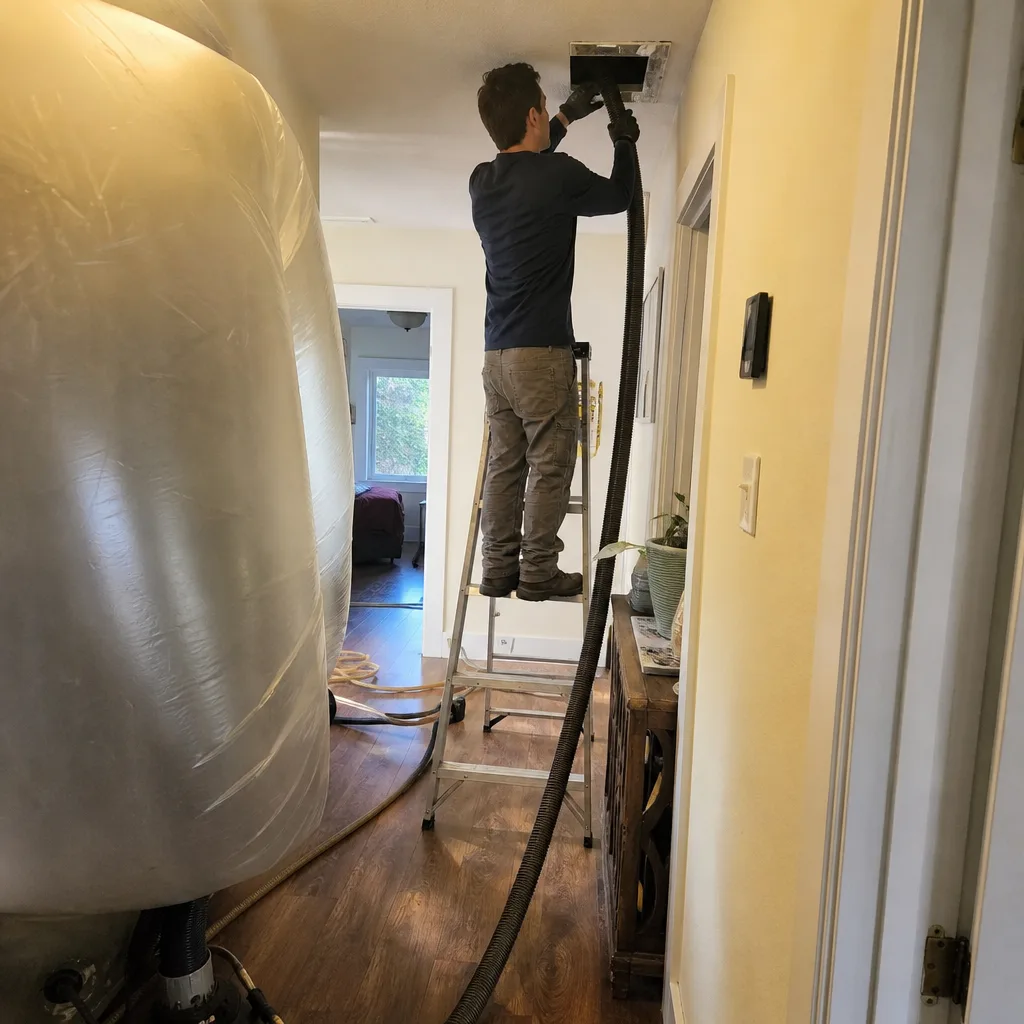
 Whole-home duct cleaning
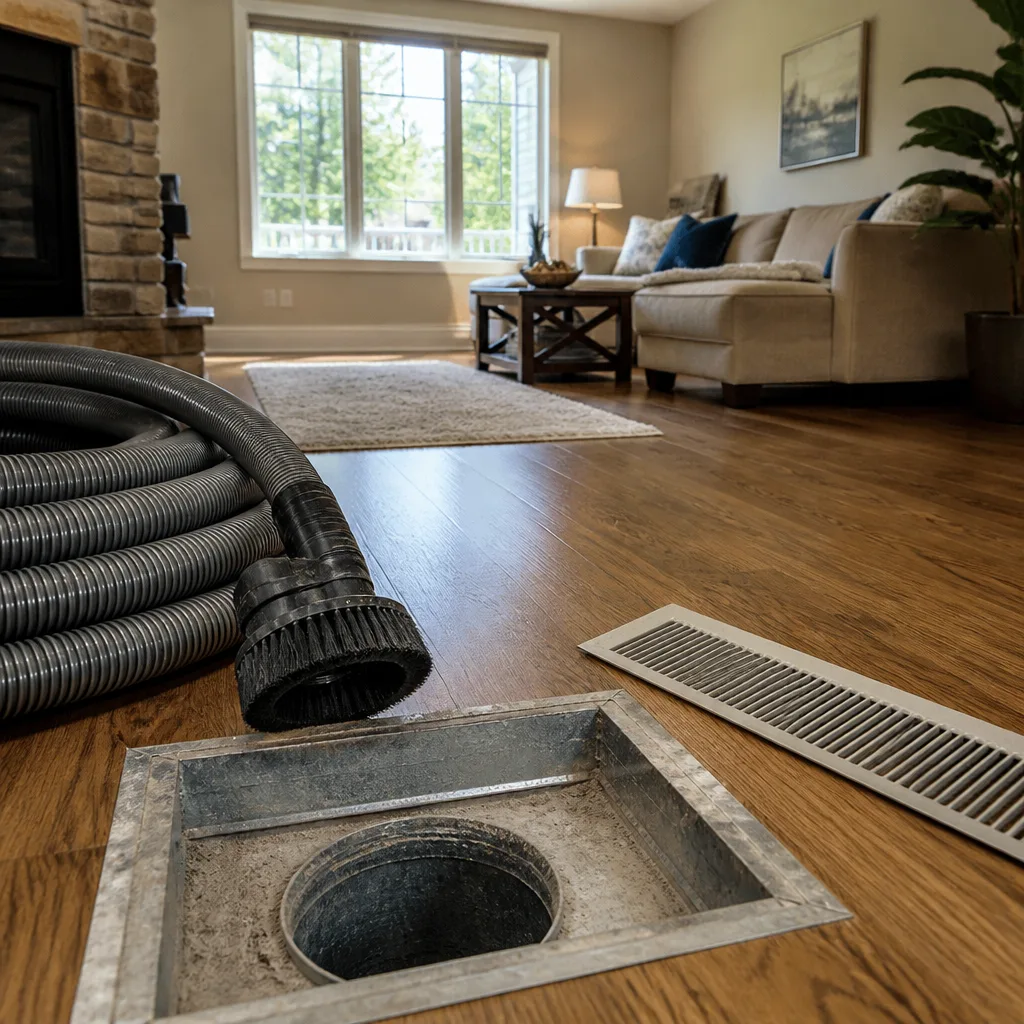
 Dryer vent cleaning
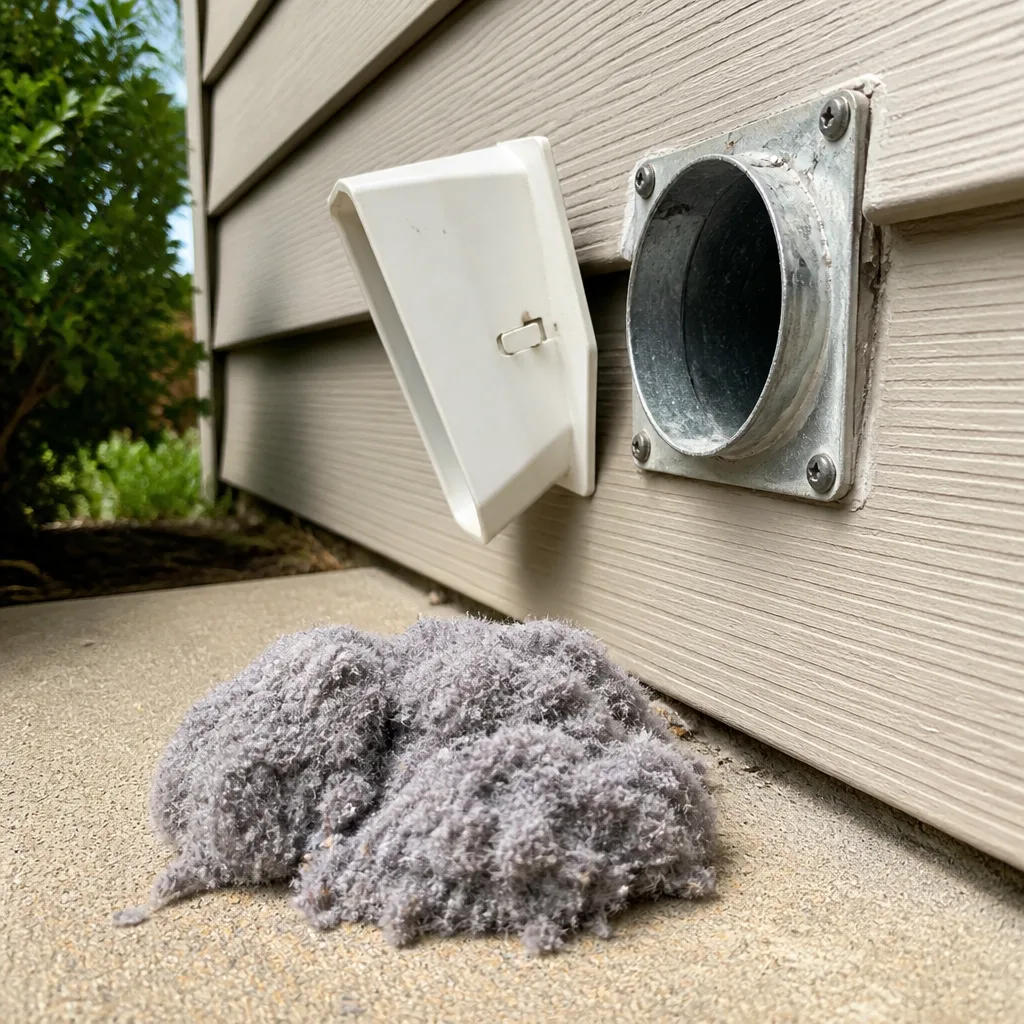
 Camera inspection
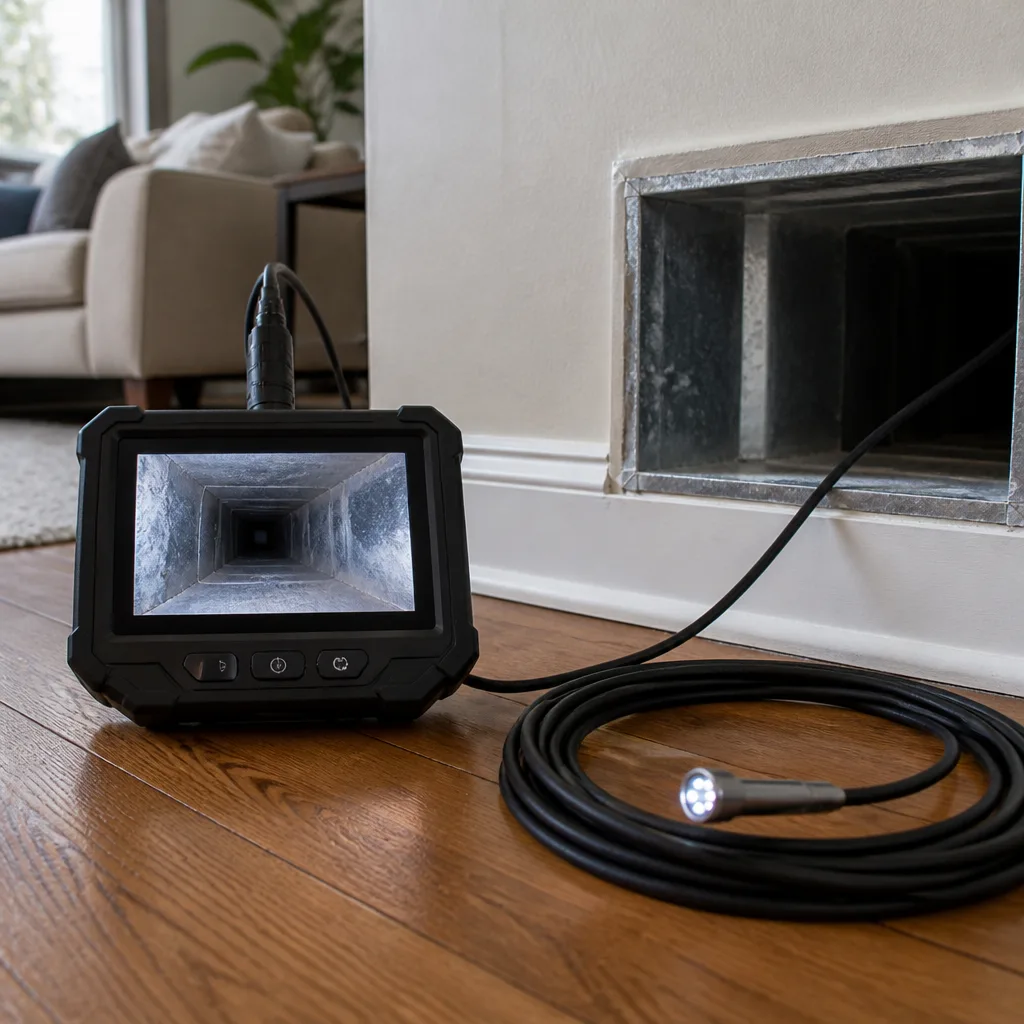
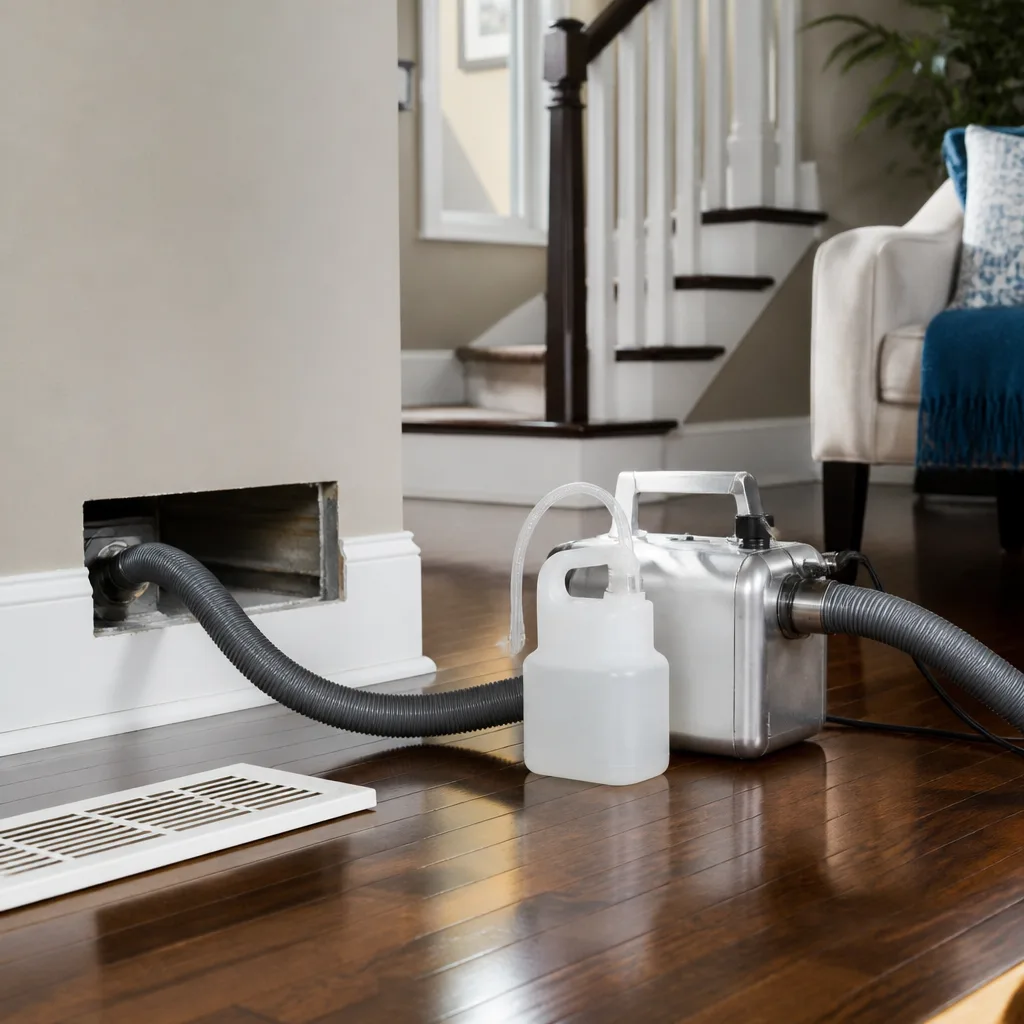 Sanitizing & deodorizing
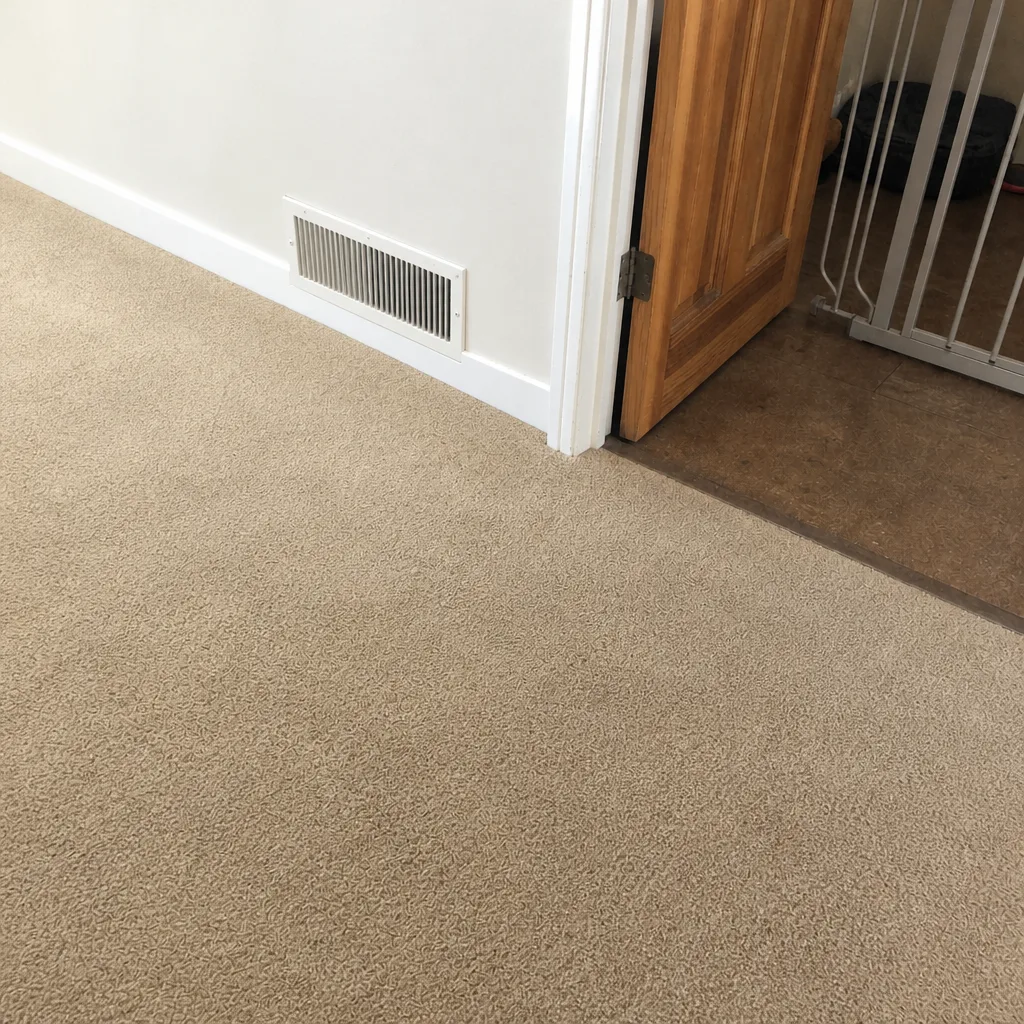
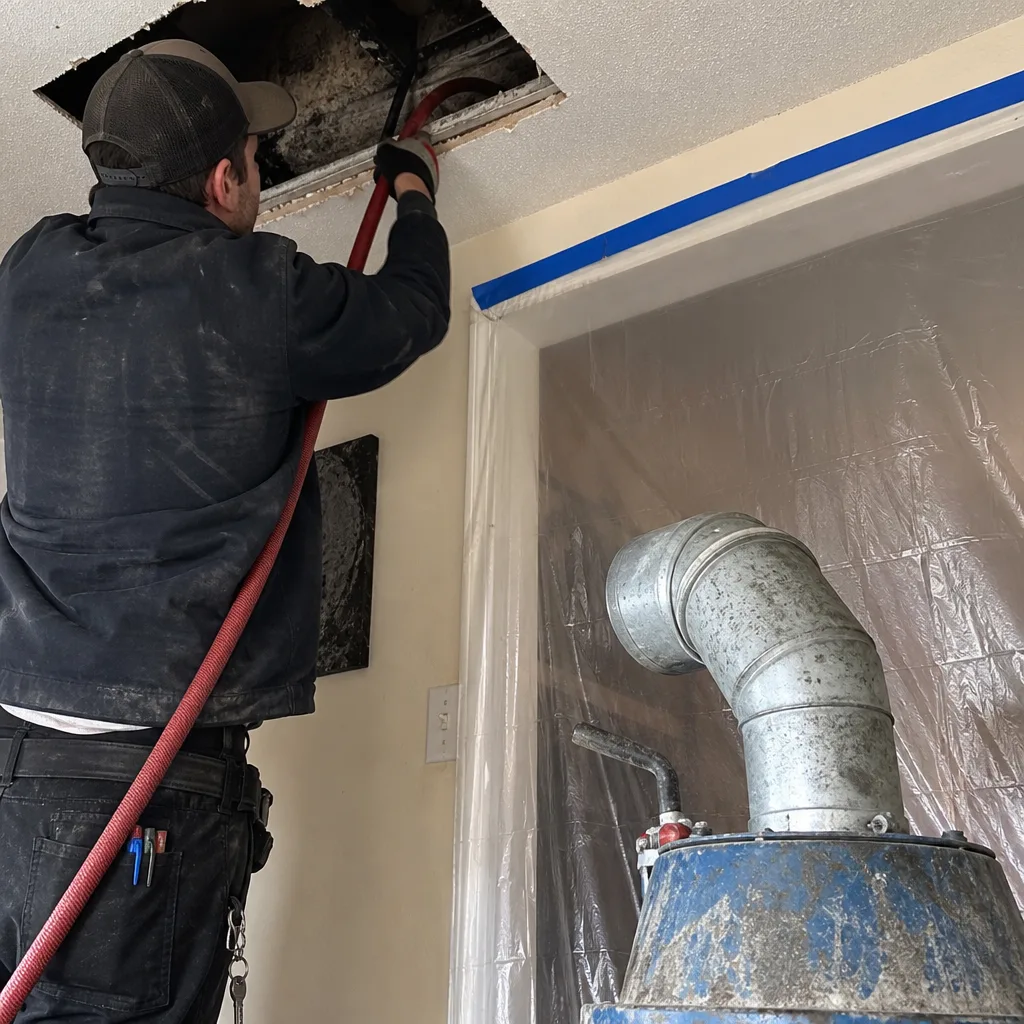
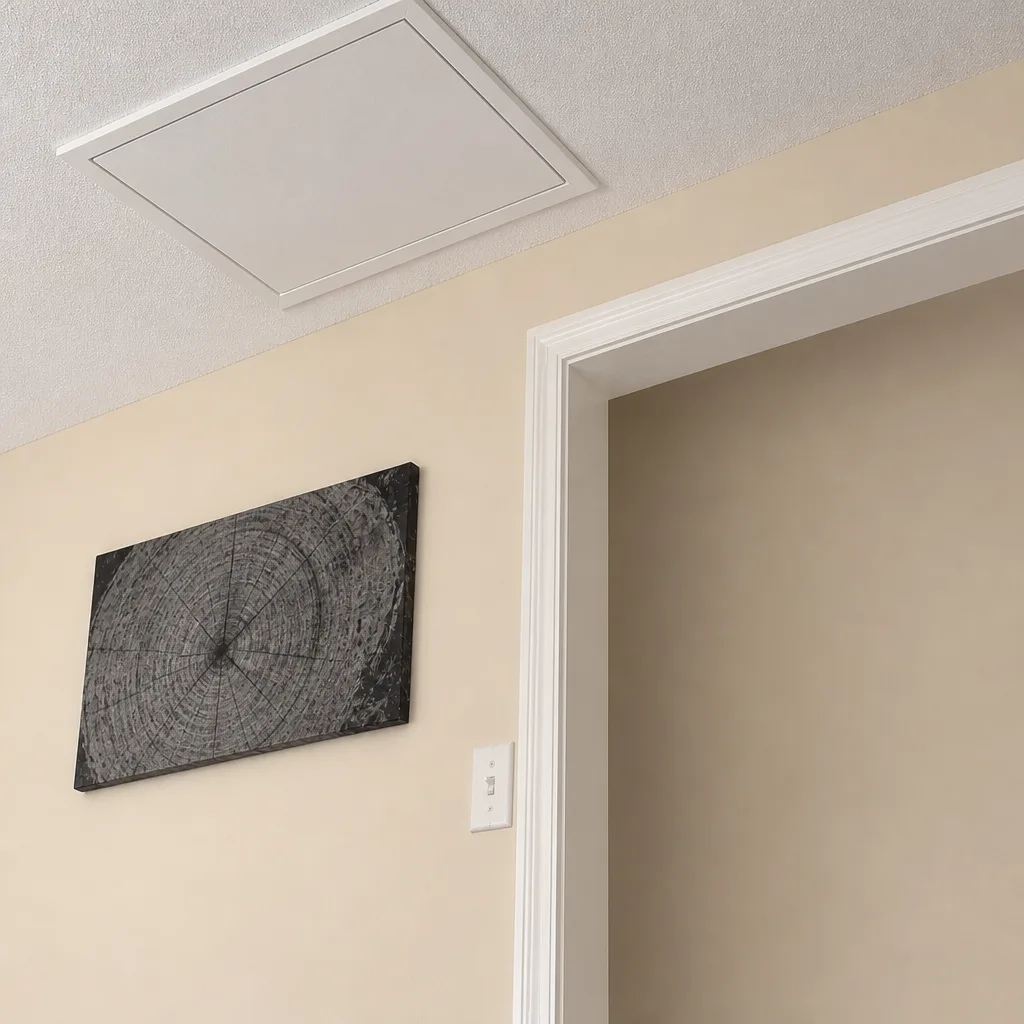
Whole-system duct and dryer vent check with before-and-after photos - you see exactly what came out of your vents
That "$99 whole-house special" is a bait ad - the real number appears once they are in your hallway, or the "clean" is a shop-vac at the register. We photograph the inside of your ducts before and after instead.
Seasonal Air Duct Cleaning Care for Queen Anne: Year-Round Homeowner’s Guide
The usual advice says to clean your ducts in spring or fall and be done with it. On Queen Anne, those two seasons carry completely different risks inside a duct system. One is about allergens, the other is about moisture left over from a wet winter. Treat them the same way and you’re solving the wrong problem half the time. This guide maps duct care to Queen Anne’s actual weather calendar: what peaks in October, what a damp winter does to particulate loading, when pollen sneaks in through the return air, and why a dry July afternoon is the smartest window of the year for repairs and sealing. By the end you’ll know when to clean, when to inspect, when to leave the system alone, and how to keep a simple log that turns seasonal observations into service decisions.
Quick Answer
For most Queen Anne homes, the best time for a full duct cleaning is early fall, before the heating system starts running daily, because that’s when a wet winter’s residual moisture and the coming heating season line up. Spring cleaning targets pollen, not mold. Summer is the ideal window for repair and sealing work because the system can be offline without discomfort. The right schedule depends on which risk your home actually has.
Styles & brands we work with
- Whole-home duct cleaning
- Dryer vent cleaning
- Camera inspection
- Sanitizing & deodorizing
Table of Contents
- Why Queen Anne’s Duct Problems Don’t Follow a National Calendar
- Fall (October-November): The Highest-Risk Window for Moisture and Mold
- Winter: How a Damp Climate Changes Dust and Particulate Loading
- Spring (March-May): Pollen, Return Air, and Filter Timing
- Summer (July-August): The Best Window for Repairs and Sealing
- How to Build a 12-Month Owner’s Log for Your Duct System
- What You Can Check Yourself and What Belongs to a Technician
- Signs Your Duct System Needs Attention This Season
Why Queen Anne’s Duct Problems Don’t Follow a National Calendar
National duct-cleaning advice is written for average conditions that don’t exist anywhere. Queen Anne sits on a hill above Puget Sound with a climate that runs wet from fall through spring and dry in late summer, and that swing drives what happens inside your ductwork. A system that’s fine in a dry Arizona house can be a moisture trap here. A system that never had a pollen problem in the Midwest picks up a real one in a Queen Anne spring.
The reason is that duct contamination isn’t one problem. It’s at least three, and each has its own season:
- Moisture-driven growth. Damp air, cool duct surfaces, and long stretches of rain combine to create the conditions mold needs. This peaks in fall and early winter.
- Allergen loading. Pollen enters through the return air side and settles in the ducts. This peaks in spring.
- Particulate buildup from heating. Every hour the furnace runs, it moves air through the same passages, and dust collects at a measurable rate. This accumulates through winter and is worst by late winter.
The point isn’t that you need to clean four times a year. You don’t. The point is that the right service at the right time does more than the same service done on a generic schedule. A fall cleaning removes a summer’s dust and preps the system for heating. A spring cleaning removes pollen before it becomes part of the settled layer. A summer repair fixes the leak that’s been feeding moisture into the system since October. These are not interchangeable, and treating them as interchangeable wastes money.
We think of it this way: what’s in your ducts is what’s in your air. The seasonal calendar tells you which part of that sentence matters most in a given month.
Fall (October-November): The Highest-Risk Window for Moisture and Mold
Fall is the one season in Queen Anne where a missed inspection can turn into a real problem. Here’s why. Summer ends with your system full of dust and any settled organic material. Then the rains start, humidity climbs, and the outdoor air gets wetter than the indoor air. That’s the opposite of a dry-climate fall, and it means moisture has a path into the system: through leaky joints, through poorly sealed returns, through any gap in the ductwork that opens to a crawlspace or attic. Cool duct surfaces in a heated house also condense moisture. Put those together and you have the conditions mold needs, right at the moment the heating system starts running and pushing that air around the house.
Before heating season begins, these are the things worth checking:
- Run your hand along accessible duct joints. Look for gaps at seams, at the plenum, and where branches come off the main trunk.
- Check the filter slot for a tight fit. A filter that’s undersized or not seated lets unfiltered air bypass into the system.
- Look for condensation or water staining near the air handler, on duct wrap, or inside any accessible return.
- Smell the air at a supply register on the first cool morning. A musty or earthy smell is the single clearest sign of moisture-driven growth inside the system.
- Look for visible dust blowing from a register after the system has been off for an hour. That’s a sign of loose debris on the supply side.
If you find any of these, the fix is a cleaning to remove what’s there plus duct repair and sealing to close the path that let moisture in. We clean it, seal it, and treat it, because cleaning alone leaves the door open for the next wet fall.
Winter: How a Damp Climate Changes Dust and Particulate Loading
Once the heat runs daily, your duct system becomes a dust mover. Air circulates through the ducts many times a day, and every pass deposits a thin layer of particulate on the inside of the duct. In a dry climate that layer stays dry and mostly stays put. In a Queen Anne winter, the same layer sits in a system where the indoor air holds more moisture than a desert house, and moisture makes particulate stickier. Fine dust that would otherwise stay suspended settles onto the duct surface and becomes part of a growing accumulation.
This matters for two reasons. First, the thicker the settled layer, the more it interferes with airflow. Second, that layer is the food and habitat mold needs if it gets wet. Winter is when the accumulation grows fastest, but it’s also when cleaning is least practical for most homeowners, because you don’t want the system offline during the coldest weeks. Winter is the season for monitoring, not for a full cleaning.
What to monitor in winter:
- Filter change interval. In a Queen Anne winter, a filter loads faster than the manufacturer’s typical replacement window suggests. Check it monthly and replace when it’s visibly gray.
- Airflow at the farthest register. If a back bedroom feels weakly supplied compared to a month ago, the system is loading up.
- Static dust on horizontal surfaces. A sudden increase in weekly dust on shelves and furniture often signals a dirty system pushing particulate around.
- Furnace run time. If the furnace runs longer to reach the same temperature, the ducts or filter are restricting airflow.
Winter is also a good time to schedule the fall-through-spring work you’ll want done when the weather changes. If the filter loading rate has jumped and the airflow is dropping, a professional cleaning plus a filter upgrade before spring pollen arrives is often the efficient move.
Spring (March-May): Pollen, Return Air, and Filter Timing
Spring in Queen Anne is a pollen season, and your duct system is the place pollen ends up after it comes inside. Pollen enters through the return air side: open doors, open windows on mild days, and any return inlet that pulls air from a room near an open window. Once pollen is in the return, it travels to the filter, but not every grain is caught. Fine particles pass through, settle in the supply ducts, and stay there until the system is cleaned.
This is the argument for spring duct cleaning, and it’s a good argument. A cleaning in March or April removes what settled over the winter and also removes the pollen load before the heating season ends. But the more important move is the filter upgrade, timed to start working before the peak of the season:
- Check the filter in late February. If you’re still running the same filter you put in at the start of winter, replace it.
- Match filter rating to your system. A higher-rated filter catches more pollen, but it also adds resistance. Ask your HVAC tech what your system can take.
- Seal the filter frame. A filter that doesn’t seat well lets pollen-laden air bypass the filter entirely, which is the most common reason spring cleaning doesn’t hold.
- Consider a whole-home air quality solution if allergies are the recurring driver. We install air duct cleaning systems and Aprilaire and Honeywell filtration products that work on the whole home rather than one filter slot.
If you want the full treatment after winter, spring is also a natural time for air duct cleaning. The system gets cleaned of winter particulate and the pollen season starts with a clean baseline.
Summer (July-August): The Best Window for Repairs and Sealing
Summer in Queen Anne is dry, and that matters for repair work. Duct repair and sealing requires the system to be partially offline, sometimes for hours, and it often requires access to duct runs in an attic or crawlspace. Both of those are easier and safer in dry, warm weather. Moisture-tolerant sealants set better, taped joints don’t get wet before they cure, and nobody is freezing while the system is down.
July and August are also when a leak or a failing joint shows its true cost most clearly. During the heating season, a leaking duct loses heated air into a crawlspace and that lost heat shows up on your bill. In summer, a leaking return pulls hot attic air into the system and makes the air conditioner work harder. Repairing in summer gets you ahead of both, before the heating season starts again.
The summer checklist:
- Inspect accessible duct joints for gaps, detached connections, and failing mastic. This is the diagnostic step that finds the source of a leak, not just a symptom.
- Look for crushed or disconnected flex duct in the attic and crawlspace. This is common in older Queen Anne homes where an HVAC upgrade left duct routing compromised.
- Plan a duct repair and sealing visit alongside any cleaning you’ve scheduled, so the system is inspected and sealed in one pass.
Sealing is the highest-value repair most homeowners skip. A sealed system keeps conditioned air inside, keeps attic and crawlspace air out, and closes the path that fed moisture in every fall. That’s why we pair sealing with cleaning rather than treating them as separate jobs.
How to Build a 12-Month Owner’s Log for Your Duct System
A simple log turns seasonal observations into service decisions. You don’t need a spreadsheet. A notebook or note on your phone is enough, as long as you write down the same few things every month.
- Log the filter. Record when you changed it and how dirty it was on a simple scale: light, medium, heavy. Over a year, this tells you when your system loads fastest.
- Log the airflow at one far-off register. Pick the room that gets the weakest airflow and hold a hand or a tissue to the register the first week of each month. Note whether the airflow feels strong, normal, or weak. Changes are the signal.
- Log the smell. Every month, note whether the air at a register is neutral, dusty, or musty. A seasonal musty smell tells you moisture is present and it’s a fall cleanup problem, not a spring one.
- Log visible dust on one horizontal surface. Pick a shelf that doesn’t get touched and note weekly dust on a scale. A jump tells you the system is pushing more particulate.
- Log service visits and what was found. Write down what the technician found, what was cleaned, and what was repaired. This is the record that connects a fall inspection to a summer repair.
At the end of the first year, read the log top to bottom. You’ll see a pattern: when the filter loads fastest, when airflow drops, when smells appear. That pattern is your home’s personal duct calendar, and it’s more useful than any generic national schedule because it reflects your ductwork, your house, and your Queen Anne climate.
What You Can Check Yourself and What Belongs to a Technician
Some duct care is safe for a homeowner to do. Some isn’t, and the split follows a clear line: you can check filters, log airflow, and note smells, but anything that involves opening the system, reaching into a duct, or accessing an electrical or mechanical component belongs to a trained professional.
Safe for a homeowner:
- Changing and checking the air filter.
- Logging airflow at registers and noting smells.
- Cleaning visible dust from supply and return grilles with a vacuum brush.
- Keeping return and supply vents unobstructed by furniture.
Belongs to a technician:
- Opening or disassembling ductwork.
- Accessing the air handler, furnace, or any electrical component. Air handlers and furnace wiring carry live electricity and should never be opened by a homeowner. Even with power off at the breaker, a trained professional confirms the system is safe before work begins.
- Inspecting attic and crawlspace duct runs, where heat, confined space, and sharp edges make the work genuinely hazardous.
- Repairing or sealing duct joints and connections.
- Sanitizing the system after moisture damage.
Our technicians have up to 11 years of experience, and they use professional-grade equipment built for this trade, not shop vacuums. The equipment matters on the technical checks above, because the tooling for a real inspection and a real cleaning is different from what most households own.
Signs Your Duct System Needs Attention This Season
Seasonal care is easier when you know what to watch for. These signs mean it’s time to look closer, regardless of what month it is:
- Musty or earthy smell at a register on the first cool morning. This is the clearest sign of moisture-driven growth and usually means fall cleanup is overdue.
- Visible dust blowing from a supply vent after the system has been off. This points to loose debris on the supply side.
- Uneven airflow between rooms, or airflow at the far register that’s noticeably weaker than last month. This usually means a loaded filter, a disconnected run, or a leak.
- A sudden rise in surface dust on furniture and shelves. This often means the system is pushing particulate it should be holding.
- A higher heating or cooling bill without a change in use. Leaking ducts are a common cause, and repairs get cheaper when found before the season.
- A dryer that takes longer to dry. This is a dryer vent issue, not a duct system issue, but it’s a seasonal signal worth logging separately.
On a dryer vent, the seasonal calendar matters too. Lint buildup is a leading cause of residential fires, so a vent that’s been quietly loading all winter should be checked before summer’s heavy laundry season. Dryer vent cleaning is a standalone service and it’s worth treating separately from the main duct system.
Common Mistakes to Avoid
- Treating spring and fall cleaning as the same job. On Queen Anne, spring is an allergen problem and fall is a moisture problem. A cleaning that doesn’t address the seasonal driver leaves the next problem in place.
- Schedule work to clean and skip the sealing. Cleaning without sealing fixes the surface and leaves the leak, so the next wet fall refills the system. Find the source, not just the symptom.
- Running the same filter longer in winter than you did in summer. A damp winter loads a filter faster. Check it monthly and replace when visibly gray.
- Hiring a crew with shop vacuums and calling it professional cleaning. Consumer-grade vacuums don’t pull the settled debris a Rotobrush or Nikro system removes, so the cleaning doesn’t hold.
- Skipping the fall inspection because the system “seemed fine” all summer. Fall is when moisture makes its way in, and that happens before you notice a smell.
- Putting off repair work until the heating season forces it. Summer is the best window for repairs because the system can go offline without discomfort. Waiting pushes that cost into the coldest month.
- Keeping a filter that doesn’t seat tight in the frame. A filter that bypasses air is a filter that doesn’t filter. Check the fit, not just the rating.
See the difference
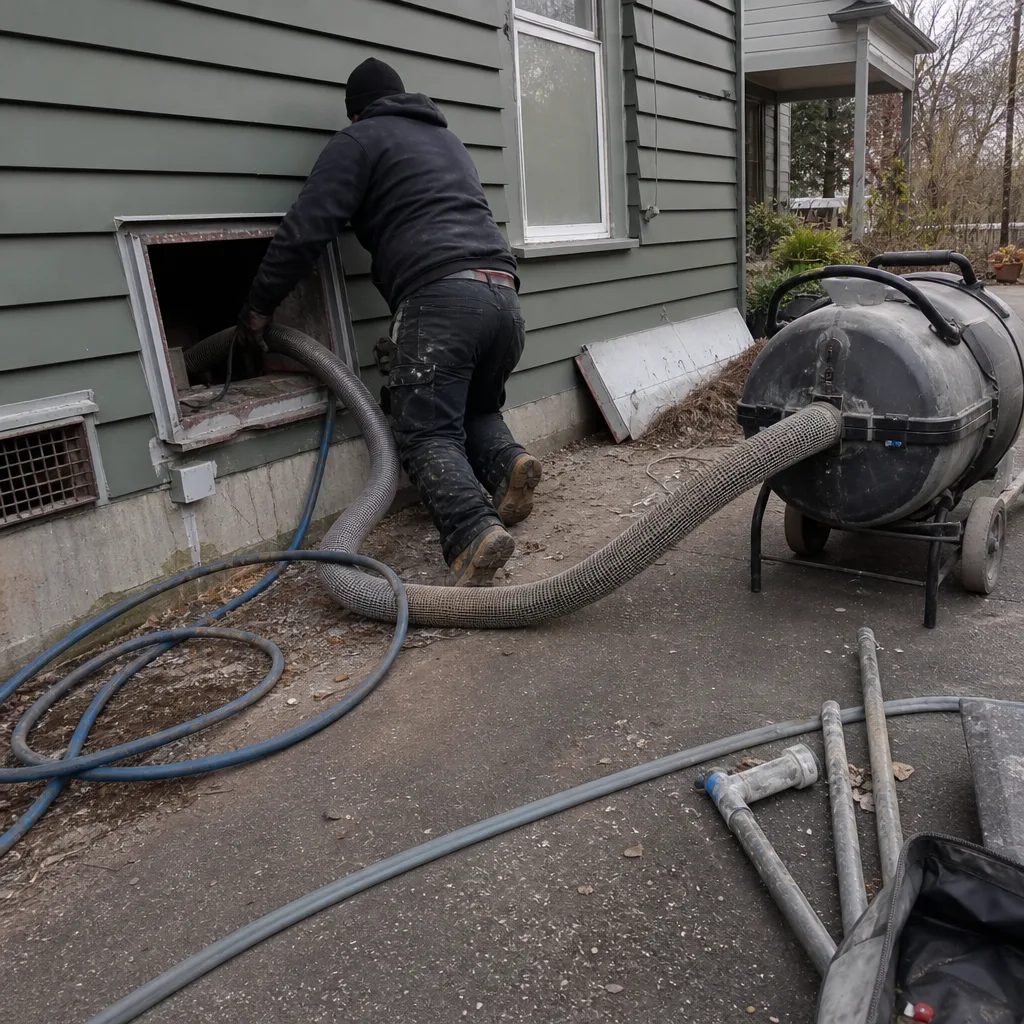 Before
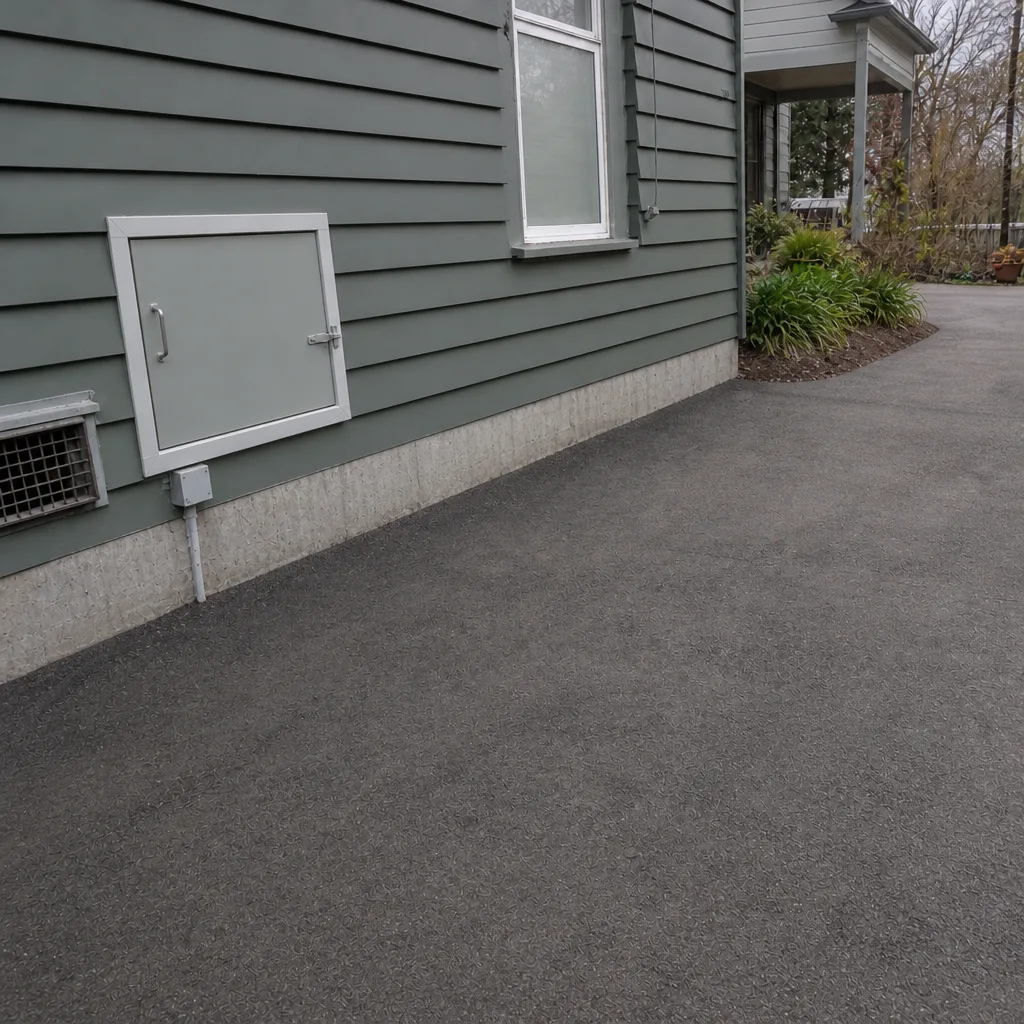 After
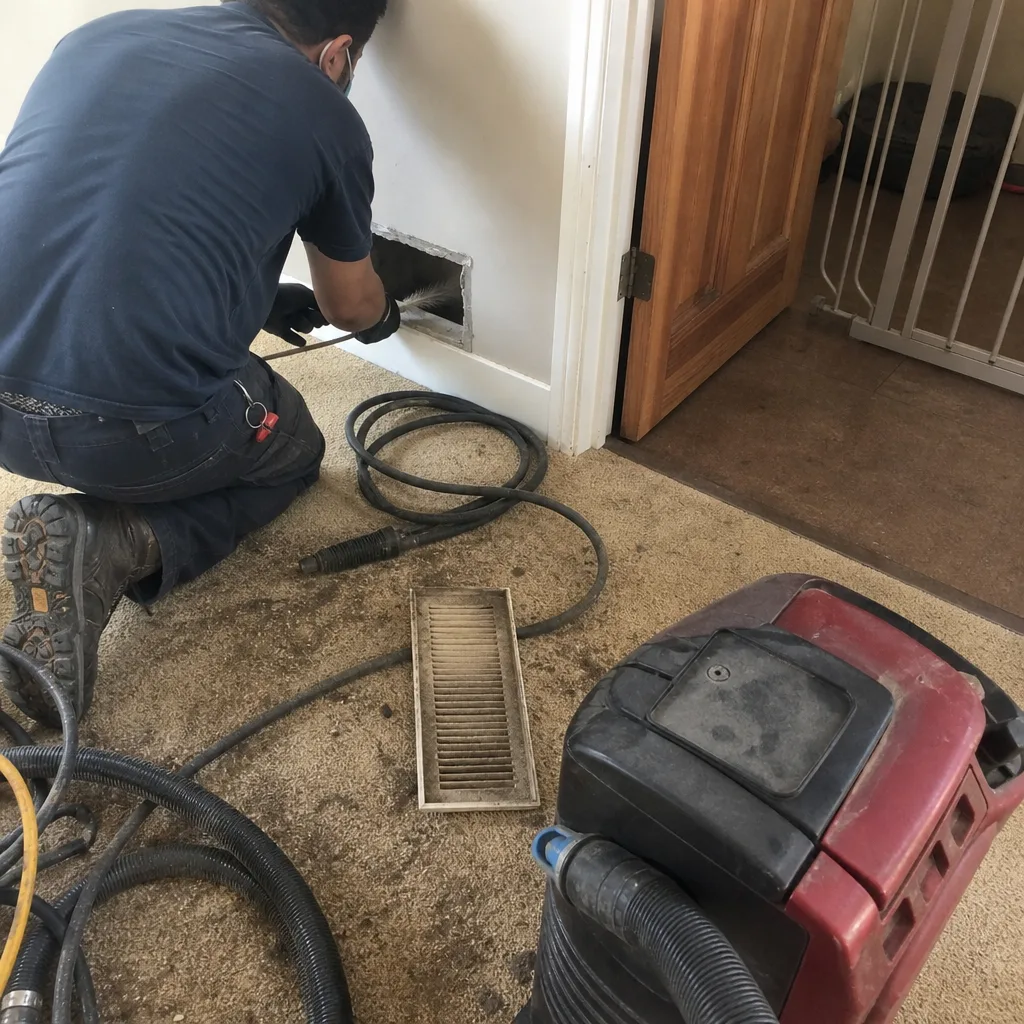 Before
 After
 Before
 After
When to Call a Professional
Some signs are seasonal and some are immediate. Call when you smell a musty or earthy odor at a register, when visible dust is blowing from a supply vent, when airflow at the far register has dropped noticeably, or when your heating bill has climbed without a change in use. Call when you’re planning a renovation, when you’ve just bought a Queen Anne home and don’t know the duct system’s history, or when a fall inspection finds a leak or a joint that needs sealing. The best move is to schedule a full-system visit that covers cleaning, sanitizing, repair, and sealing in one pass, so you don’t have to coordinate multiple contractors.
Air Duct Cleaning Queen Anne offers free estimates in Queen Anne. Call (833) 736-3635. We answer 24/7. Fast dispatch from 7am to 7pm, Sunday through Friday. One flat price per system is agreed before work starts, with before-and-after photos of your own ducts. The local pro is licensed and insured as their state requires.
The 12-month log also makes this call easier. If you can tell a technician your filter loads a month faster than it used to and the far register got weaker in November, the visit starts with a diagnosis rather than a guess.
Frequently Asked Questions
October is the best single month for most Queen Anne homes, because it lands before the heating season begins and after the summer’s dust has accumulated. That timing lets you remove the summer layer, inspect for moisture paths, and seal the joints before the wet season settles in. A home with heavy pollen exposure may do better with a March cleaning. Call (833) 736-3635 for an exact quote. Estimates are free.
Most homes don’t. One well-timed cleaning a year, in fall, covers the typical Queen Anne house. A second spring cleaning is worth it only when pollen is a real driver: allergies in the household, a home near high-pollen landscaping, or an HVAC upgrade that pulls in more outside air. Call (833) 736-3635 for an exact quote. Estimates are free.
Most full-system cleanings for a typical Queen Anne home fall in a whole-system range, not a per-vent price, and the written estimate sets the final price. We don’t quote per-vent prices or teaser coupon figures, because that’s the model that leads to a low opening price and a much larger invoice later. One flat price per system is agreed before work starts. Call (833) 736-3635 for an exact quote. Estimates are free.
Because the cheaper quote often describes a smaller job. A crew running consumer-grade vacuums doesn’t pull the settled debris a Rotobrush or Nikro system removes, and a quote that skips sealing leaves the leak that refilled the system the first time. Ask what equipment is used and whether sealing is included. Call (833) 736-3635 for an exact quote. Estimates are free.
Ask for before-and-after photos of your own ducts. A real cleaning shifts a visible layer of debris, and a technician who can’t show you the ducts before and after is a technician worth asking harder questions of. We photograph the ducts before and after every cleaning. Call (833) 736-3635 for an exact quote. Estimates are free.
Every 3 to 5 years is a reasonable baseline for a Queen Anne home, but the seasonal calendar matters more than the interval. A home that just finished a renovation, a home with pets, and a home with a leaky system all load faster. Use the 12-month log to find your home’s actual pace. Call (833) 736-3635 for an exact quote. Estimates are free.
Yes, and summer is often the best time for it. A cleaning or repair visit takes the system partially offline for part of the day, and in July or August that’s comfortable in a way it isn’t in January. It’s also when repair work on attic and crawlspace runs is easiest and safest. We schedule the visit so the downtime fits your day.
Partly. You may share duct runs or a central system with a neighbor, so the seasonal calendar applies to the parts of the system you control, and the rest is the building’s responsibility. Log what you can observe, and ask the building’s maintenance contact about the shared runs. Call (833) 736-3635 for an exact quote. Estimates are free.
The Bottom Line
Queen Anne’s duct problems change with the season, and the smartest schedule maps to that change rather than a generic national calendar. Fall is for moisture inspection and cleanup before the heat runs. Winter is for monitoring and filter discipline. Spring is for pollen removal and filter upgrades. Summer is for repairs and sealing, while the system can go offline without discomfort. Log the filter, the airflow, and the smell once a month and read it at the end of the year. That log turns seasonal observations into service decisions, and those decisions save you money. One flat price per system, before-and-after photos, and a full-system visit that covers cleaning, sanitizing, repair, and sealing: that’s the setup we recommend for every Queen Anne home that wants the system handled properly.
Call (833) 736-3635 for a free estimate. We answer 24/7. Fast dispatch from 7am to 7pm, Sunday through Friday. You can also explore our HVAC cleaning and learn more about Air Duct Cleaning Queen Anne on our main page.
Written by the team at Air Duct Cleaning Queen Anne.