
Last updated November 22, 2026
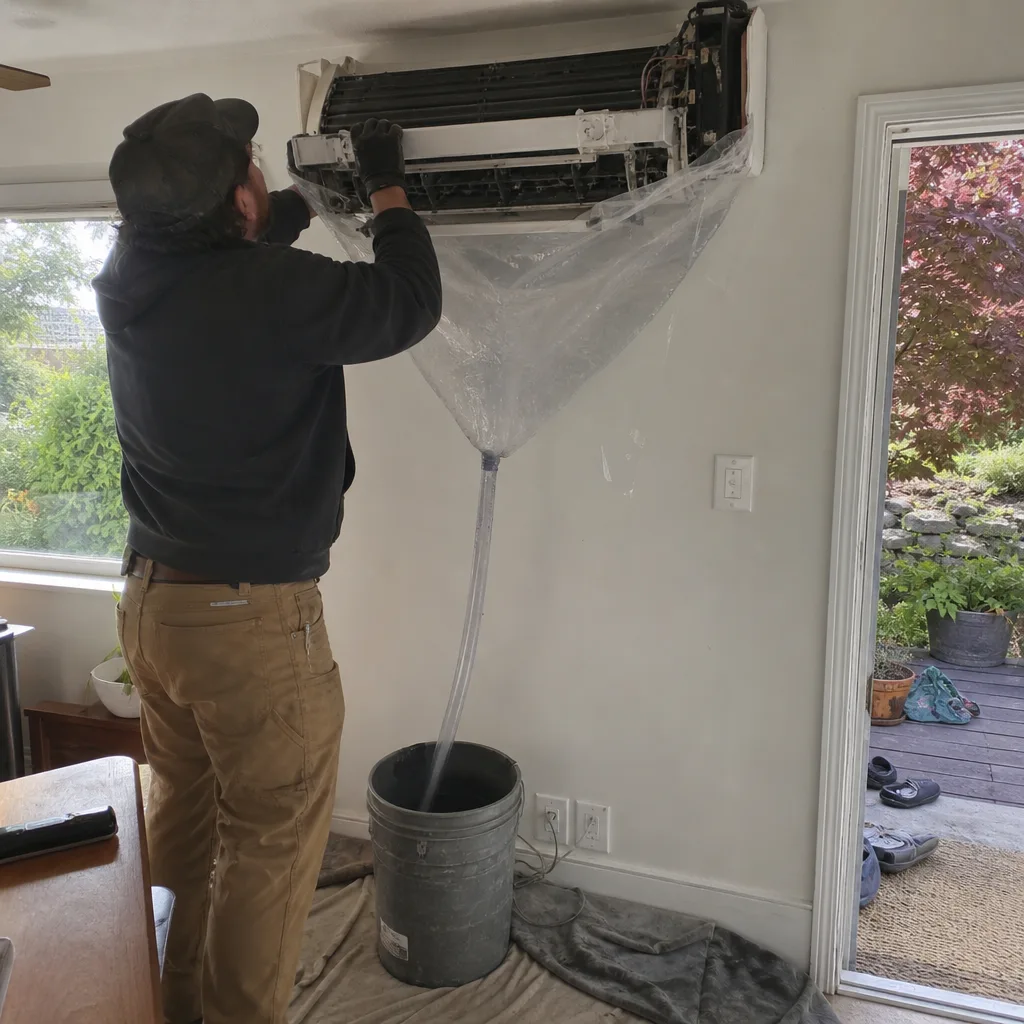
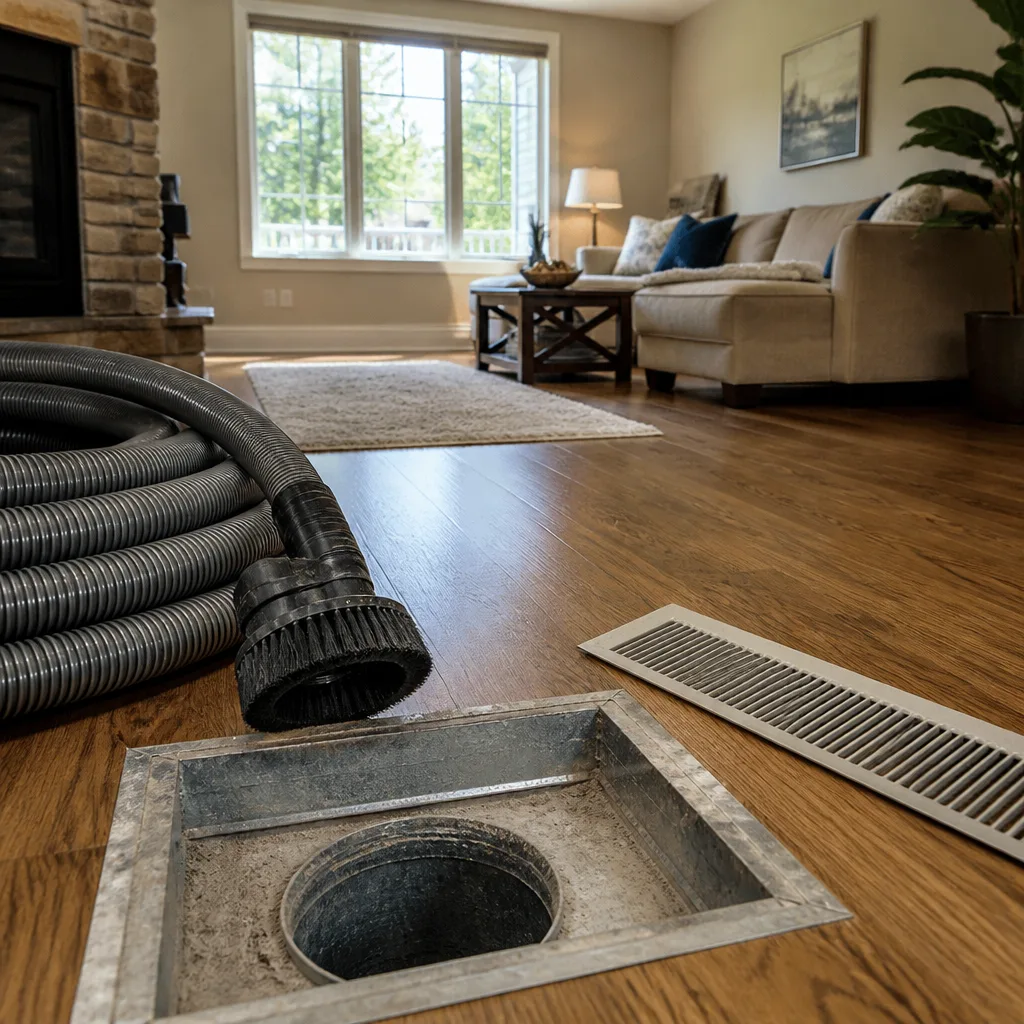 Whole-home duct cleaning
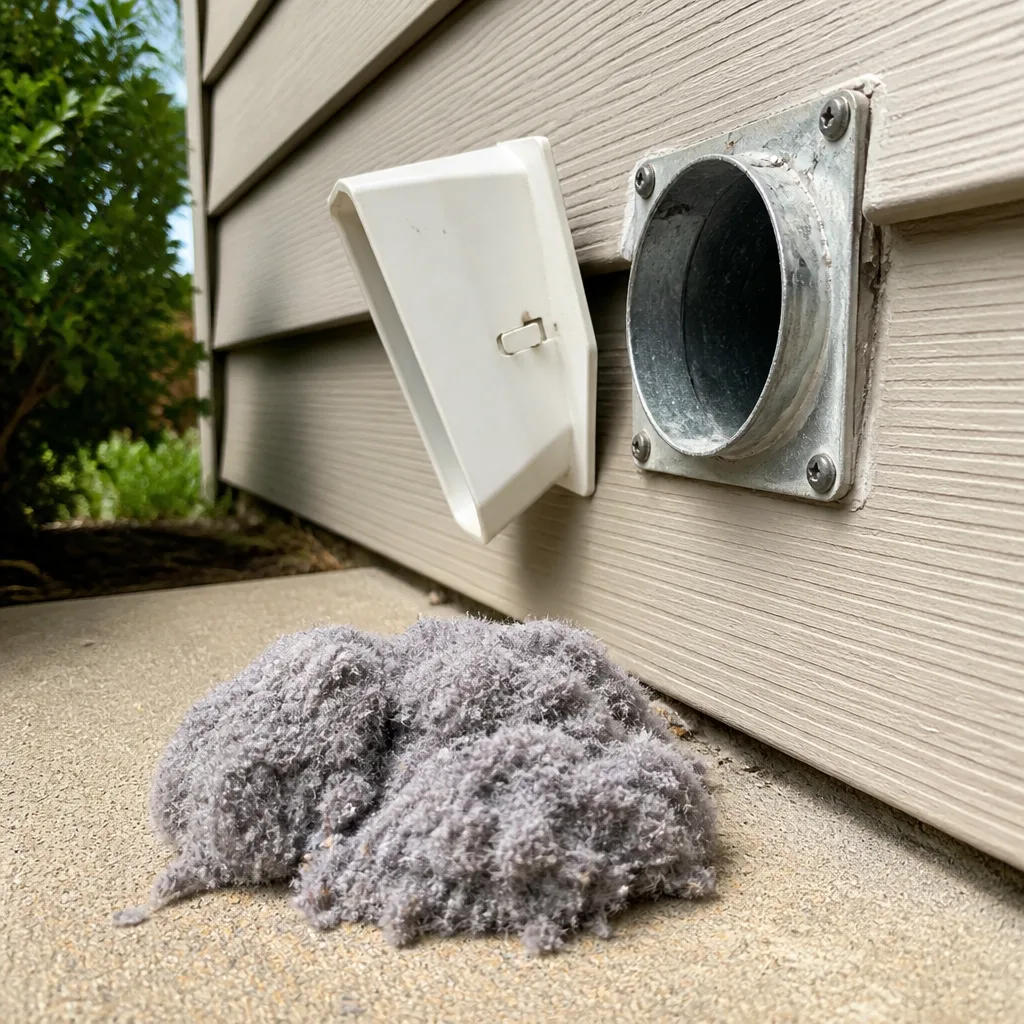 Dryer vent cleaning
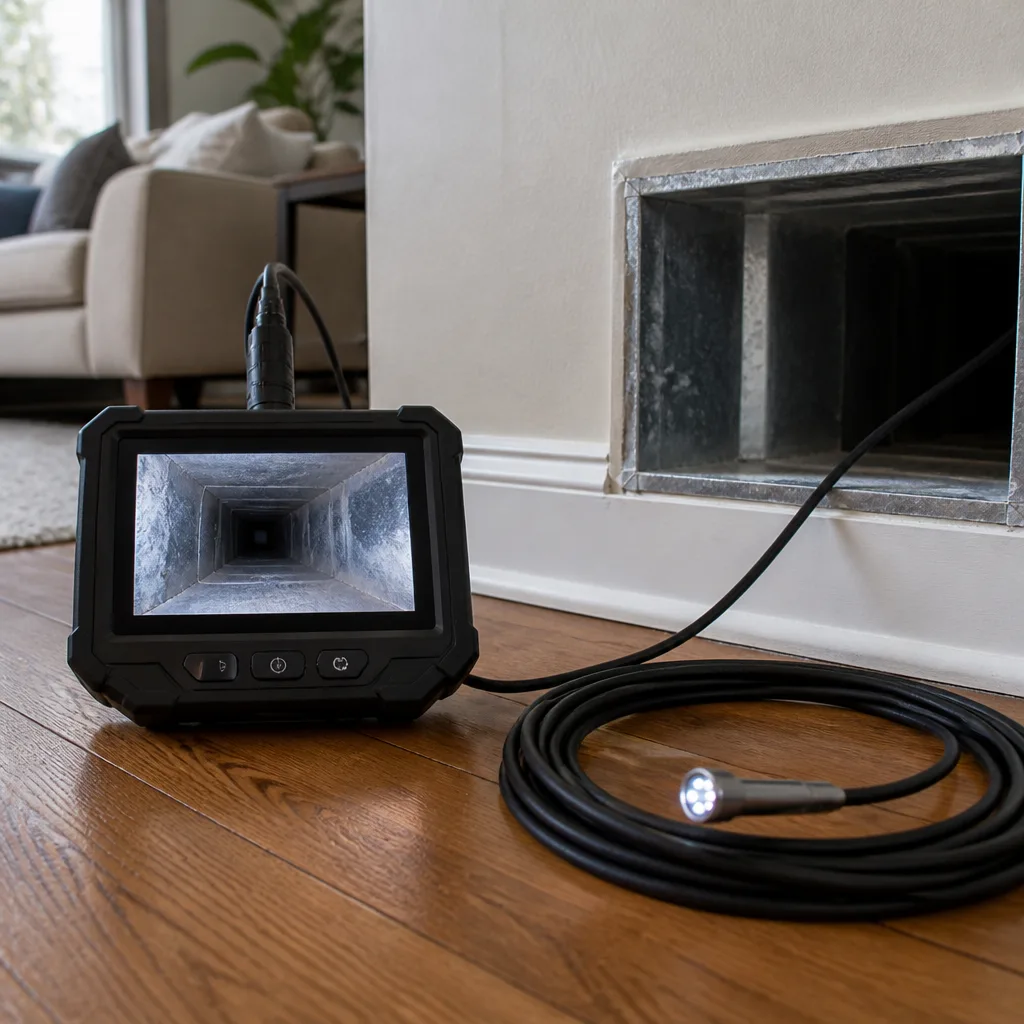 Camera inspection
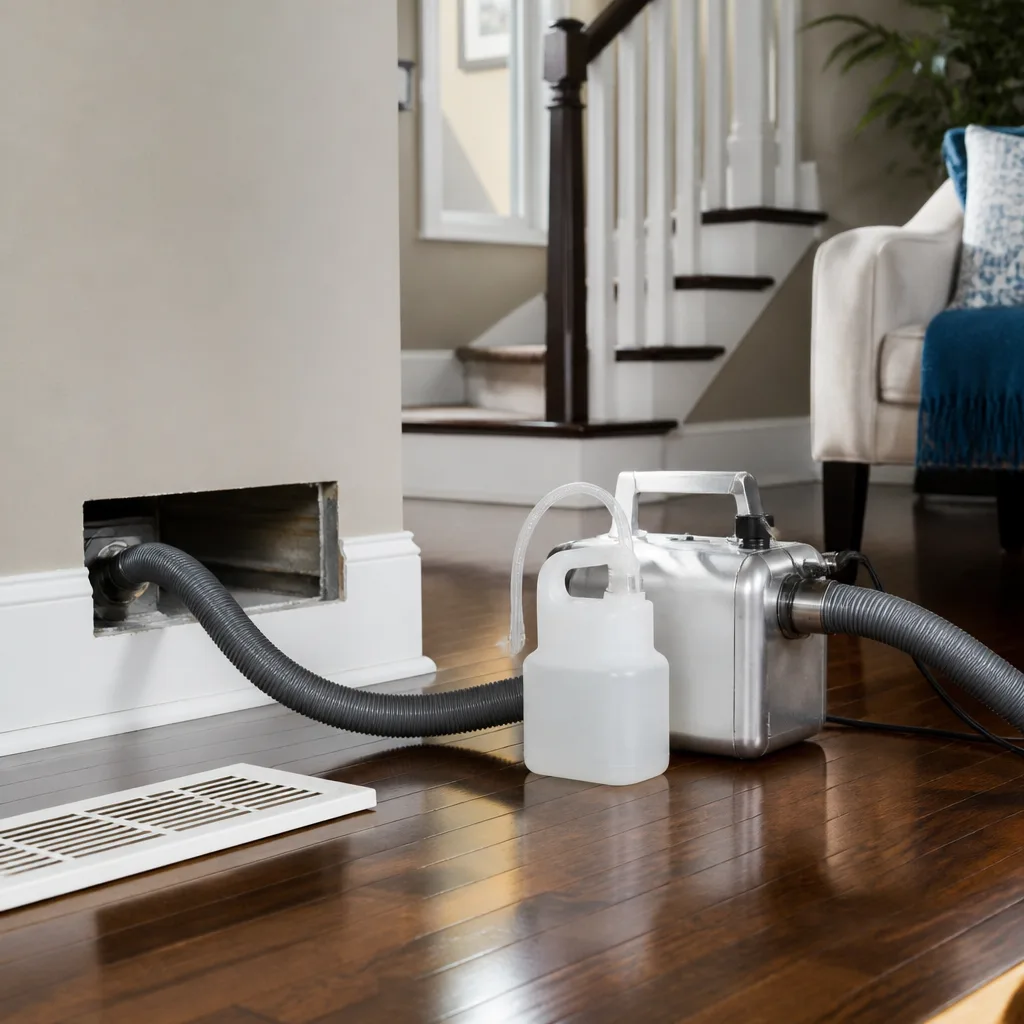 Sanitizing & deodorizing
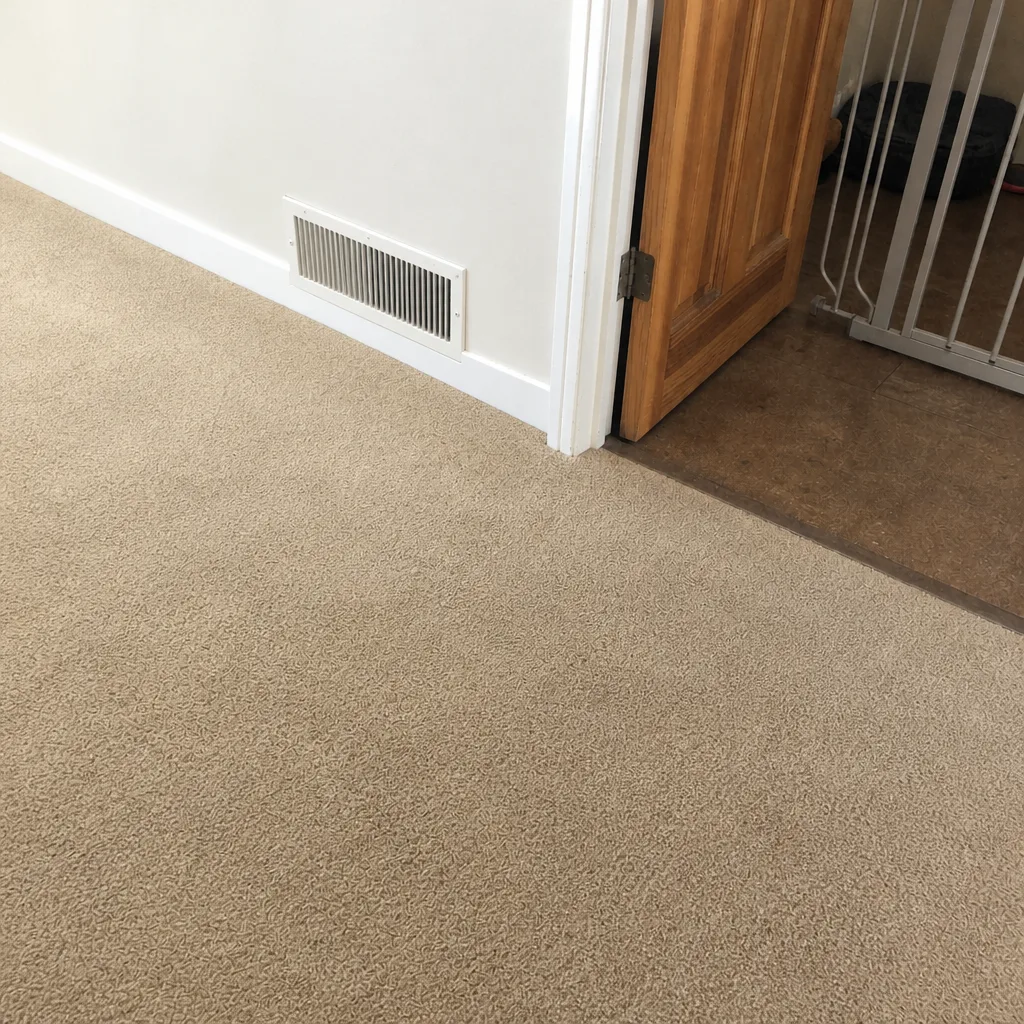
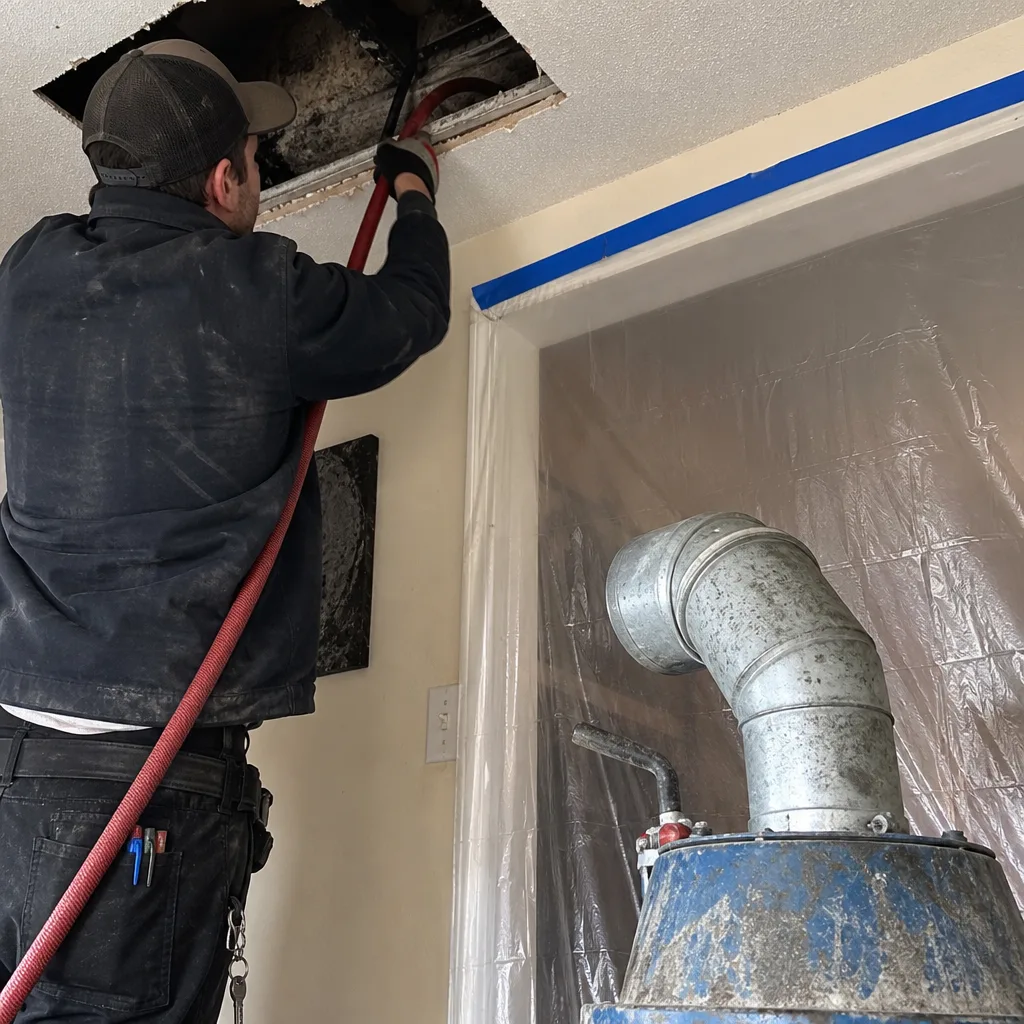
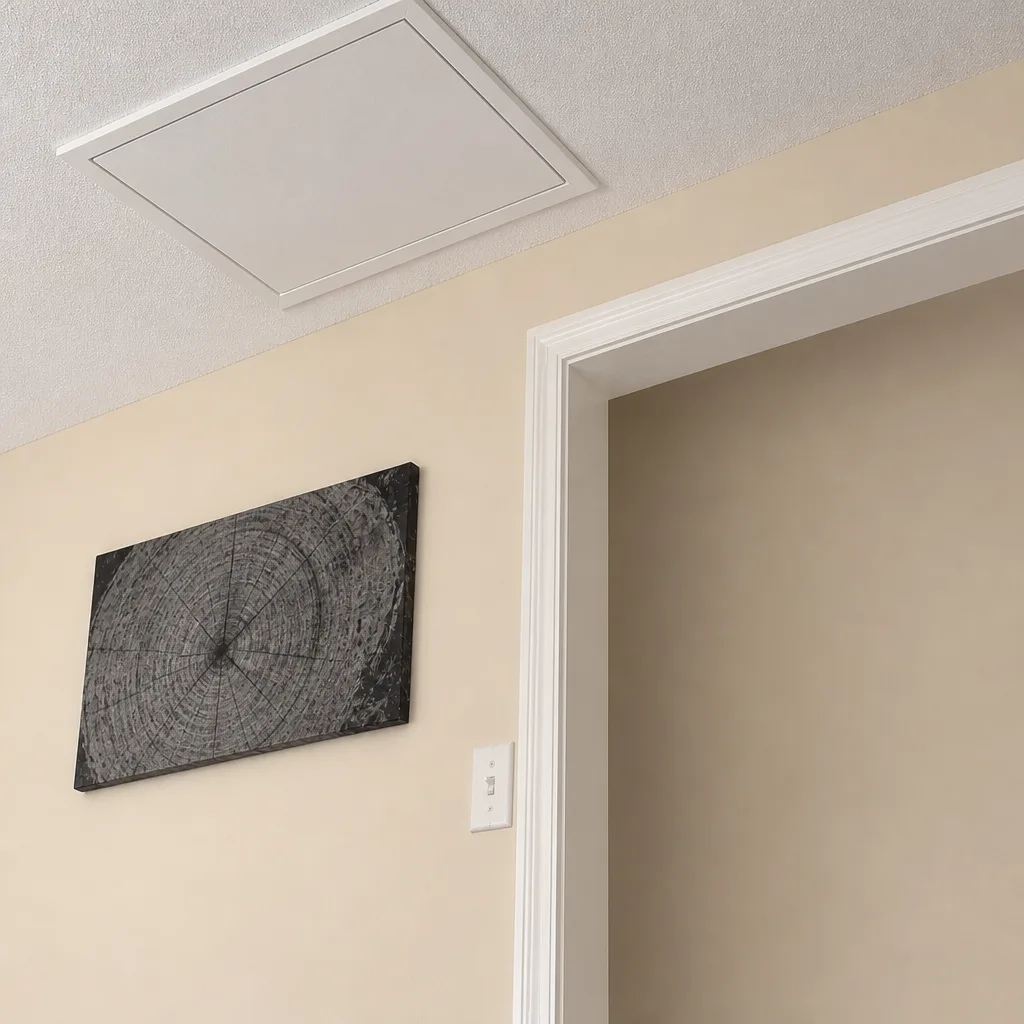
Whole-system duct and dryer vent check with before-and-after photos - you see exactly what came out of your vents
That "$99 whole-house special" is a bait ad - the real number appears once they are in your hallway, or the "clean" is a shop-vac at the register. We photograph the inside of your ducts before and after instead.
Air Duct Cleaning Emergency Preparedness Guide for Queen Anne Homes
When a pipe bursts or a roof leak soaks through a ceiling in a Queen Anne home, the calls that go out are almost always the same: a plumber first, then maybe a restoration company. The duct runs sharing that same ceiling cavity rarely make the list. That’s the mistake this guide is built around. Water that reaches your ductwork starts a clock, and what happens in the first two to three days decides whether you’re dealing with a cleaning or a mold problem. In the sections below you’ll learn how to tell whether water has reached your ducts, what to do before anyone arrives, how emergency duct inspection differs from a routine visit, and how to handle the smoke side of the equation when wildfire season rolls into Queen Anne.
Quick Answer
If water has intruded into your home’s ceiling or walls and your ductwork runs through that area, shut the HVAC system off and get the ducts inspected within 48 to 72 hours. Mold can begin establishing on damp duct surfaces in that window, and every hour the system runs, it pushes humid air through the house and accelerates the process. Emergency duct work means inspection and drying first, cleaning second – a different sequence and often different equipment than a standard cleaning appointment.
Styles & brands we work with
- Whole-home duct cleaning
- Dryer vent cleaning
- Camera inspection
- Sanitizing & deodorizing
Table of Contents
- Why Water Intrusion Is the Emergency Most Queen Anne Homeowners Miss
- How to Tell If Water Reached Your Duct Runs
- What to Do Before a Technician Arrives
- Emergency Duct Inspection vs. Standard Cleaning: What’s Different
- Wildfire Smoke Infiltration: Run the System or Shut It Down?
- After the Emergency: Repair, Seal, and Rebuild Air Quality
- Building a Queen Anne Emergency Prep Kit for Your HVAC System
- Common Mistakes to Avoid
- When to Call a Professional
- Frequently Asked Questions
Why Water Intrusion Is the Emergency Most Queen Anne Homeowners Miss
Ask a homeowner in Queen Anne what HVAC emergency they worry about and you’ll usually hear wildfire smoke or an earthquake. Both are real. But the scenario that plays out most often in this neighborhood – the older housing stock, the steep roofs, the mature trees that drop limbs onto shingles – is water. A supply line lets go under a bathroom sink. A roof flashing gives out above a second-floor bedroom. Water travels down, pools on a ceiling, and finds the path of least resistance.
That path is often a duct run. Ducts are the largest voids in a ceiling cavity, and they’re usually wrapped in insulation that holds moisture like a sponge. Once saturated, they become a continuous source of humidity that the HVAC system helpfully distributes to every room in the house.
The 48 to 72 hour window matters because that’s roughly how long it takes for mold to begin establishing on wet building materials in typical indoor conditions. After water contact with ductwork, the system stops being a comfort feature and starts being a delivery mechanism. This is why we frame duct inspection as one of the first calls after water intrusion in a Queen Anne home, not an item to circle back to once the drywall is patched.
A plumber fixes the source. A restoration company handles the visible damage. The air duct cleaning Queen Anne piece of the puzzle is what protects the air the family breathes for the next decade, long after the ceiling looks fine again.
How to Tell If Water Reached Your Duct Runs
You don’t need a moisture meter to make a first assessment. You need to look at where the water showed up and where your ductwork runs in relation to that spot. In most Queen Anne homes, supply trunks run through the attic, crawl space, or the cavity between floors, and branch off to registers in ceilings, walls, and floors. If the water stain is near one of those paths, assume contact until a professional says otherwise.
Visual cues worth writing down
- Ceiling stains above or beside a supply register. Water follows the low point of a ceiling. That low point is often right where a boot connects the register to the branch duct.
- Drip marks on the flex duct or insulation wrap visible from an attic hatch or crawl space access. Sagging insulation is a strong sign the duct inside is wet.
- Musty smell when the system first kicks on. That odor is air passing over something damp. If it appeared after the water event, it’s a signal.
- Rust or water staining on the air handler cabinet or return plenum, especially where the return trunk drops through a wet wall cavity.
- Condensation on registers that didn’t happen before the leak. Sudden condensation often means a humidity spike somewhere upstream.
What it means
If you see any two of these signs in a Queen Anne home that just took on water, treat the ducts as contaminated until inspected. The cost of an inspection is modest. The cost of a mold problem in a duct system is not. We’ve seen plenty of attic spaces in this neighborhood where the leak was fixed in an afternoon but nobody looked at the ducts for months. The air duct cleaning visit that followed was a very different job than it would have been in the first week.
What to Do Before a Technician Arrives
The single most important thing you can do after water intrusion in Queen Anne is stop the air from moving. That means shutting down the HVAC system at the thermostat, and if you can safely reach it, at the breaker or the service switch on the air handler. Stopping the system does two things: it halts the distribution of humid air through the house, and it prevents spores from being pushed into clean rooms before anyone has a chance to assess the damage.
Step-by-step, in order
- Stop the water source. Shut the supply valve at the fixture or at the main. If you can’t find it, call a plumber before doing anything else.
- Turn off the HVAC at the thermostat. Set it to OFF, not AUTO, so the fan doesn’t cycle on its own.
- Turn off power to the air handler if it’s safely accessible. A service switch near the unit is standard. If the unit sits in standing water or the cabinet is wet, don’t touch it – call an electrician or wait for the technician.
- Document everything. Photograph stains, drip marks, and any sagging ductwork before anything is moved or dried. Insurance claims move faster with good photos.
- Contain the wet area. Close doors between the wet zone and the rest of the house. Don’t run box fans pointed into a wet ceiling, which only blows contaminants around.
- Don’t open registers to “air things out.” It feels intuitive. It’s the opposite of what you want.
- Call for a duct inspection the same day. The clock on that 48 to 72 hour window starts at the moment of water contact.
What you shouldn’t do is try to dry the ducts yourself with a household fan or a shop vac. If you have a shop vac and water is pooling in a register box, a careful one-time extraction is reasonable. But pushing air through a wet duct system, or trying to clean it, spreads the problem. This is one of the few situations where doing less is the right answer. We answer 24/7. Fast dispatch from 7am to 7pm, Sunday through Friday, so a call the night of a burst pipe gets you on the schedule right away.
Emergency Duct Inspection vs. Standard Cleaning: What’s Different
A standard cleaning visit is built around one question: what’s in the ducts, and how do we get it out? An emergency inspection after water intrusion is built around a different question: what’s wet, how wet, and how do we stop the damage from spreading? The equipment and the priority sequence differ because the goal differs.
What a standard cleaning looks like
A routine HVAC cleaning appointment in a Queen Anne home uses professional-grade extraction equipment – the kind of purpose-built duct cleaning machines from Rotobrush or Nikro that are designed to agitate debris from duct walls and pull it out under negative pressure. The system is typically running the whole time, and the work moves register to register in a logical order. Containment matters, but the goal is removal.
What an emergency inspection looks like
After water intrusion, the sequence flips:
- Inspection first, cleaning second. Before any cleaning happens, the technician locates the wet areas. Visual inspection at every accessible register and a look inside the trunk where it runs through the affected zone.
- Moisture readings, not guesswork. A wet duct has to be dried before it can be cleaned effectively. Cleaning a damp duct just moves mud around.
- Drying is a mechanical process, not an open window. The right approach uses controlled air movement and dehumidification, often with HEPA filtration on the exhaust so nothing leaves the work zone.
- Containment is more aggressive. Abatement Technologies air filtration equipment – the same category of machine used in professional remediation work – is standard for us on a water-intrusion job, because you don’t want to be pushing mold spores into the living room while you work.
- Sanitizing comes after drying, not before. Applying a sanitizer to a wet, contaminated duct wastes the product. Dry first, then treat.
If you’re in Queen Anne and you’ve had a water event, ask the company you call one question up front: do they inspect and dry before they clean? If the answer is “we clean and see what we find,” that’s a standard visit, not an emergency response.
Wildfire Smoke Infiltration: Run the System or Shut It Down?
Wildfire smoke is the other emergency Queen Anne homeowners think about first, and the instinct to shut everything off is understandable. But smoke is a different problem than water, and the right move depends on your filter setup and how good the seal is on your system. A well-sealed system with a high-MERV filter can actually be a useful tool during a smoke event: run the fan on low to keep the filter doing its job, and keep windows and doors shut. On the other hand, a system with leaky return ducts in an attic or crawl space pulls smoke in and distributes it. Same neighborhood, opposite advice – which is why we look at the specific system before recommending.
When to run the system during smoke
- You have a filter rated for smoke particles, and it’s clean.
- Your return ducts are inside the conditioned space, not in a vented attic or crawl space.
- Doors and windows are closed, and the house is reasonably tight.
When to shut it down and call for inspection
- You smell smoke indoors even with the system off – which means it’s already inside.
- You have flex duct in a vented attic where the outdoor air quality is poor for days.
- You’ve had a fire nearby, or a smoke plume has sat over Queen Anne for an extended period.
- Anyone in the house has asthma or significant allergies. Don’t experiment on a bad-air day.
What a post-smoke duct inspection should cover
After a significant smoke event in the Queen Anne area – and Puget Sound corridors can trap smoke for days – a proper inspection checks register boots and flex duct connections for soot and odor, looks at the filter and the filter housing for fine ash, and inspects the air handler cabinet and coil for soot deposits. An ozone generator is not a solution; a real cleaning and, if needed, sanitizing treatment is what removes smoke residue from duct surfaces. The dryer vent cleaning service is worth adding after a smoke event too, since a lint-clogged vent is already a fire risk and smoke residue doesn’t improve it.
After the Emergency: Repair, Seal, and Rebuild Air Quality
Here’s the part most homeowners don’t hear until after the dust settles: cleaning a duct system that leaked, or that has loose joints, is a short-term fix. The same compromised joints that let water in let debris and outside air in all year. Finding the source, not just the symptom, is the difference between solving the problem and cleaning up after it repeatedly. That’s why our Duct Repair & Sealing service runs alongside cleaning rather than as a separate project months later.
What post-emergency repair typically involves
- Sealing compromised joints and seams. Loose flex connections, torn insulation jackets, and gaps at register boots get sealed so the system is closed again.
- Replacing crushed or water-saturated flex runs. Flex duct that’s taken on water rarely dries out well enough to keep. Replacement is often the honest answer.
- Adding or upgrading filtration. This is where a whole-home air quality upgrade fits naturally. Aprilaire and Honeywell media filters and filtration systems are the products we source and install most often for Queen Anne homeowners who want to raise the baseline after a scare.
- Sanitizing the system. After drying and cleaning, a sanitizing treatment on duct surfaces addresses residual biological growth. This is our Air Quality & Sanitizing service, and it’s a natural final step on a water-intrusion job.
Between cleaning, sealing, sanitizing, and dryer vent work, one call covers the full system. If your emergency was a water event, this sequence takes the system from “damaged” back to “better than before.” If it was a smoke event, it takes it from “smelly” back to “clean and protected.”
Building a Queen Anne Emergency Prep Kit for Your HVAC System
Most emergency prep guides are about water bottles and flashlights. This one is about the things that help you take action on your HVAC system in the first hour of a problem, when the decisions actually matter. It doesn’t take much space – a single labeled shoe box or a zip pouch in a hallway closet is enough.
What to keep on hand
- A photo of your thermostat settings and filter model number. In a panic, knowing your filter size saves a trip to the hardware store.
- One spare filter of the correct size. After a smoke event or a water event, you’ll want to swap it immediately.
- A small notebook or notes app page with your HVAC system details – brand, model, approximate age, service history.
- Flashlight and a moisture meter if you want to be thorough. Entry-level meters are inexpensive and useful around the house.
- A list of the service shutoffs: water main, HVAC breaker, gas valve to the furnace. Walk the house once and write down where each one is. In Queen Anne’s older homes, these aren’t always where you’d expect.
- The phone number for a duct service you trust. Ours is at the bottom of this page. It’s worth writing down somewhere physical, too.
Two minutes of prep is what separates a water event that costs an afternoon of cleanup from one that costs a duct system. The kit is small. The habit is what matters – once you have the shutoffs labeled and the filter size recorded, future-you handles the first hour with a clear head.
Common Mistakes to Avoid
- Treating the duct system as a follow-up instead of a first call. After water intrusion in Queen Anne, the plumber and restoration company get called right away. The duct inspection usually waits until someone notices a smell weeks later. That ordering is what turns a small problem into a mold project.
- Running the system to “dry things out.” A wet duct system running conditioned air is a mold-growth accelerator, not a drying tool. Shut it down and let a technician use the right equipment.
- Hiring the cheapest cleaning quote after an emergency. Emergency work needs inspection, drying, containment, and then cleaning. A budget crew with a shop vac can’t do that sequence. Ask what equipment they’ll bring before you book.
- Assuming a cleaned duct is a sealed duct. If the water got in, there’s a gap. Cleaning without sealing means the same problem returns the next time there’s water.
- Opening windows and running fans in a smoke event. During a bad air day in Queen Anne, opening up brings more smoke in. Keep the house closed, filter well, and follow the run/shut advice above.
- Trying to sanitize before drying. Applying a sanitizer to a wet, contaminated duct is wasted effort. Dry it, clean it, then treat it – in that order.
- Waiting to document. Photos taken in the first hour are worth more than photos taken after the ceiling has been patched. Take the pictures before anything gets moved.
See the difference
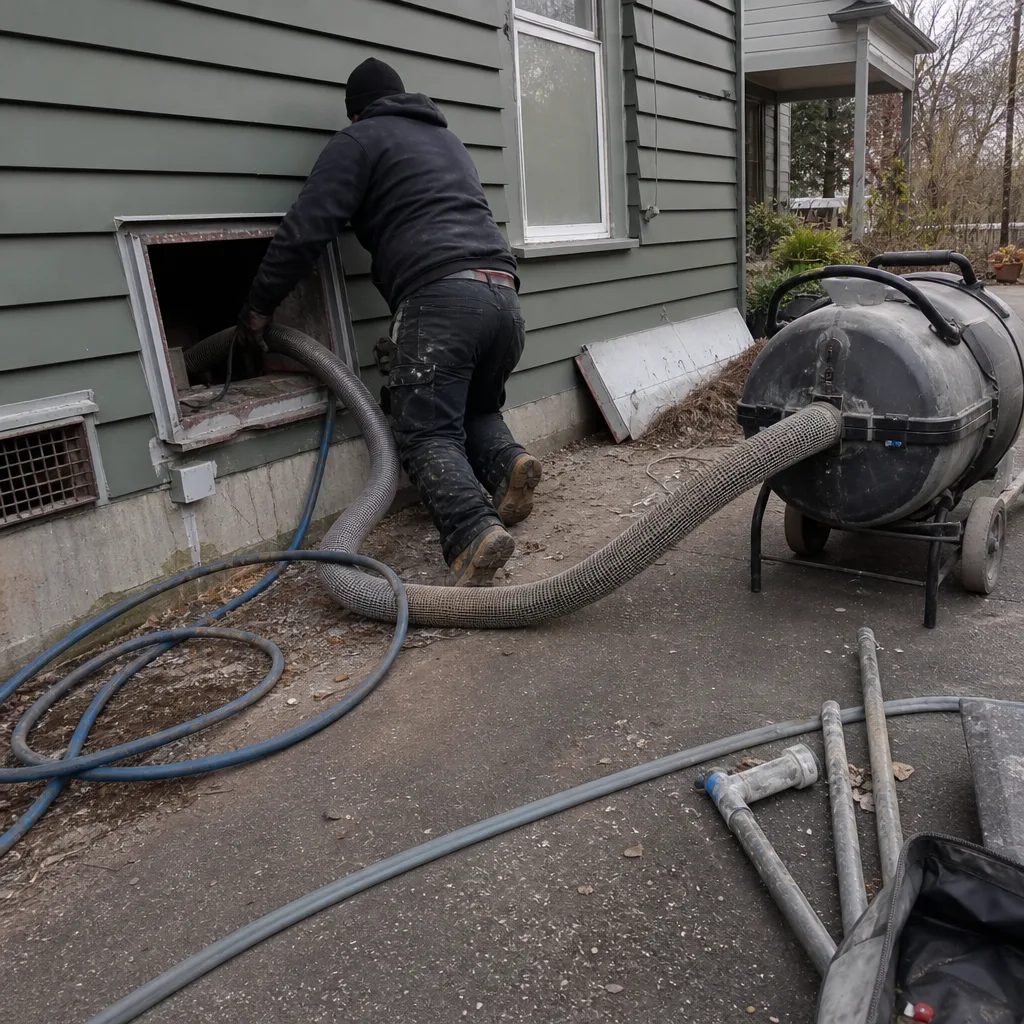 Before
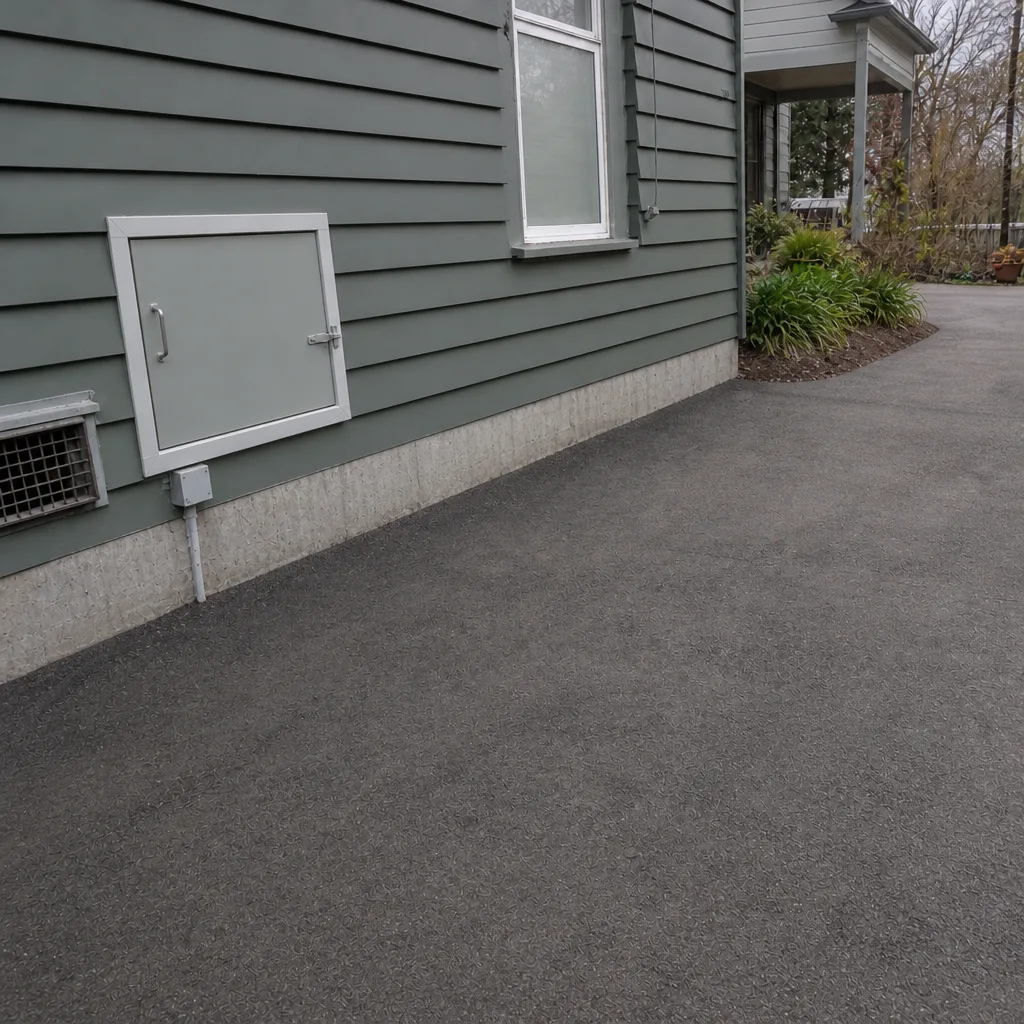 After
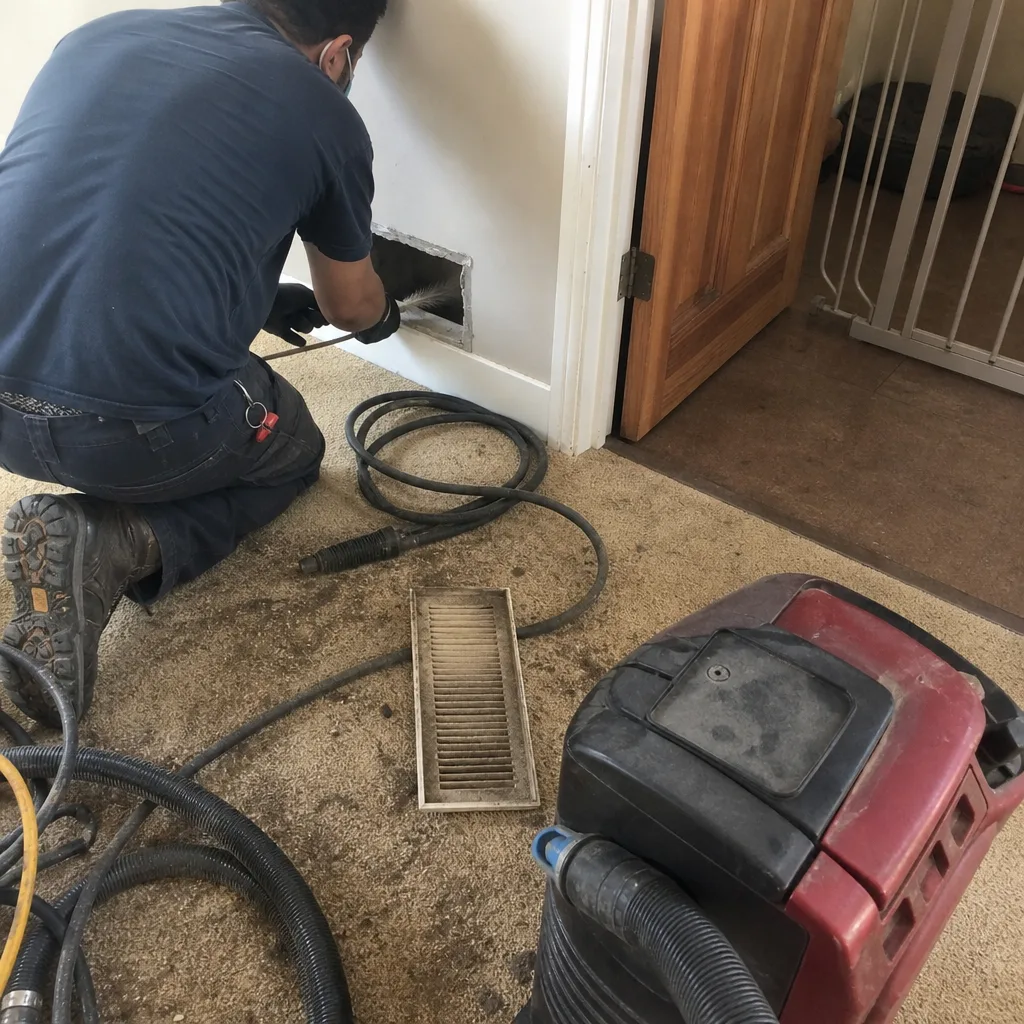 Before
 After
 Before
 After
When to Call a Professional
Call a professional any time water has intruded into a space your ductwork runs through, any time you smell mustiness that showed up after a leak, and any time the system has run for hours while a section of duct was wet. Call after a significant smoke event if anyone in the house is sensitive to air quality, or if you smell smoke indoors with the system off. Call if you see sagging insulation on ductwork, water staining at a register, or condensation that didn’t happen before. And call if you’re unsure – the inspection is the cheapest part of this whole process. Air Duct Cleaning Queen Anne offers free estimates in Queen Anne – call (833) 736-3635. We answer 24/7. Fast dispatch from 7am to 7pm, Sunday through Friday. The written estimate sets the price before any work begins, and we photograph the ducts before and after so you can see exactly what changed.
Frequently Asked Questions
Within 48 to 72 hours. That’s the window in which mold can begin establishing on damp duct surfaces in typical indoor conditions. Every day you wait past that window, the odds of a routine cleaning being enough drop. Call (833) 736-3635 for a free estimate. We answer 24/7. Fast dispatch from 7am to 7pm, Sunday through Friday.
No. Running the system pushes humid air through the entire house and accelerates mold growth. Shut the HVAC off at the thermostat, and if it’s safely accessible, at the air handler breaker. Proper drying is a controlled process with the right equipment, not a matter of circulating air. Call us for an inspection before turning the system back on.
Emergency duct work is priced per job by a written estimate, not by the vent or by the hour, because the scope depends entirely on how far water traveled. A routine cleaning is one price range; inspection, drying, cleaning, sanitizing, and sealing is another. We set the price in writing before any work starts, and there is no per-vent pricing. Call (833) 736-3635 for a free estimate – the written quote is the final number.
Because they usually aren’t doing the same job. The low quote is often a cleaning only, without inspection, without drying, and without HEPA containment. On a water-intrusion job, those three steps are the whole point. A budget crew with consumer-grade equipment can’t dry a wet duct and can’t contain what it disturbs. Ask what equipment they’ll bring and whether they inspect first.
Ask for before-and-after photos of the ducts themselves, not just a receipt. We photograph the inside of the system before cleaning and after, and the pictures are yours to keep. That’s the simplest accountability check in this trade – if a company won’t show you the ducts, that tells you something.
For most homes, every few years is reasonable, or more often if you have pets, allergies, or have done a renovation. But the timeline resets after a water event or a heavy smoke event. Those are reasons for a one-off inspection regardless of when the last cleaning happened. Call (833) 736-3635 and we’ll tell you honestly whether you need it now.
The Bottom Line
The most likely HVAC emergency in a Queen Anne home isn’t the one that makes the news. It’s a slow leak behind a wall, a burst pipe under a sink, or a roof failure that soaks a ceiling cavity – and then gets ignored because the visible damage is patched and everything looks fine. Water contact with ductwork starts a 48 to 72 hour clock, and the response that matters is shutting the system down, getting inspection and drying started, and cleaning and sealing once everything is dry. Run the same playbook for smoke, adjusted for your filter and duct setup. Have the numbers ready before you need them. When the moment comes, one call covers the full system.
Get a Free Estimate
If you’ve had water intrusion in your Queen Anne home, or you want a baseline inspection so you know the ducts are clean and sealed before the next storm season, call us. Air Duct Cleaning Queen Anne offers free estimates across Queen Anne – call (833) 736-3635. We answer 24/7. Fast dispatch from 7am to 7pm, Sunday through Friday. Estimates are free, the price is set per job by the written estimate before work begins, and you’ll see before-and-after photos when the job is done. Our technicians have up to 11 years of experience, and we bring the professional-grade equipment – Rotobrush and Nikro extraction systems, Abatement Technologies filtration, and Aprilaire and Honeywell air quality products – that a real inspection and cleaning require.
Written by the team at Air Duct Cleaning Queen Anne.