
Last updated November 22, 2026
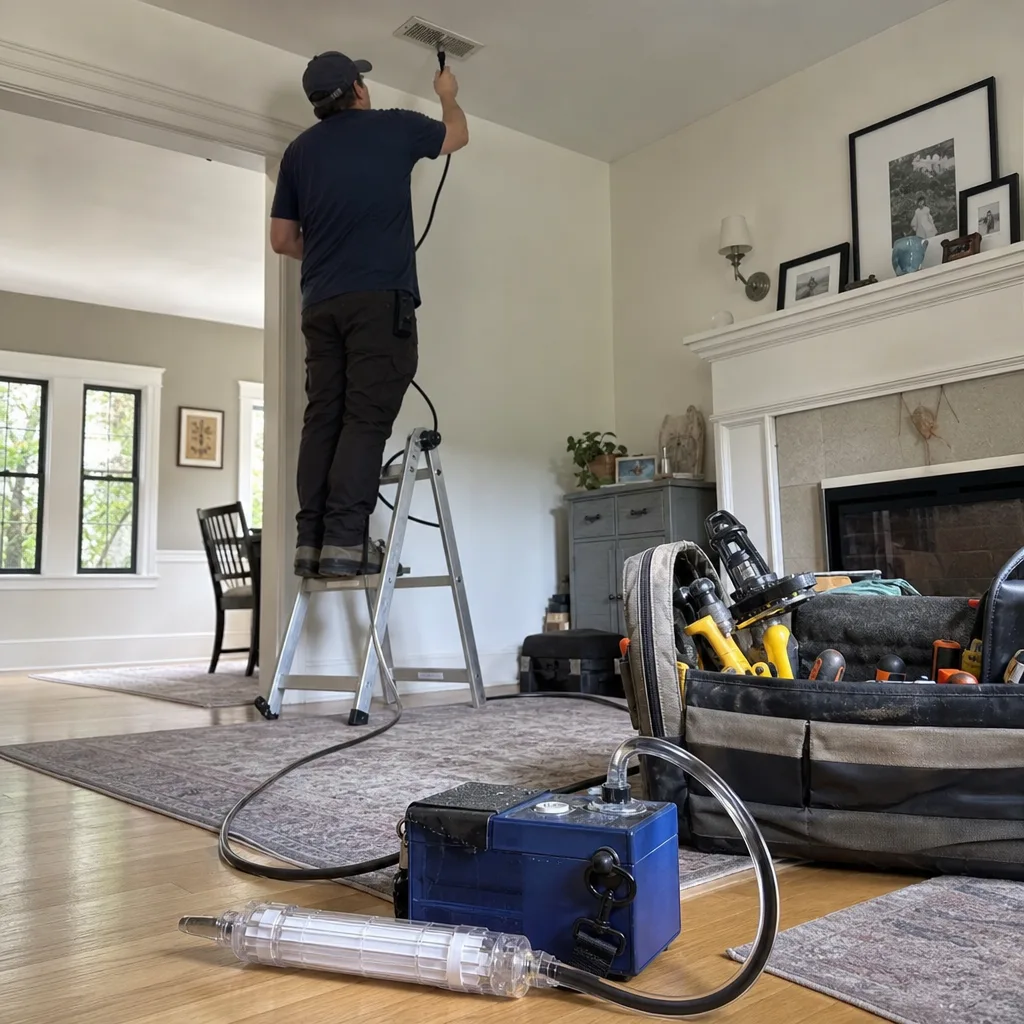
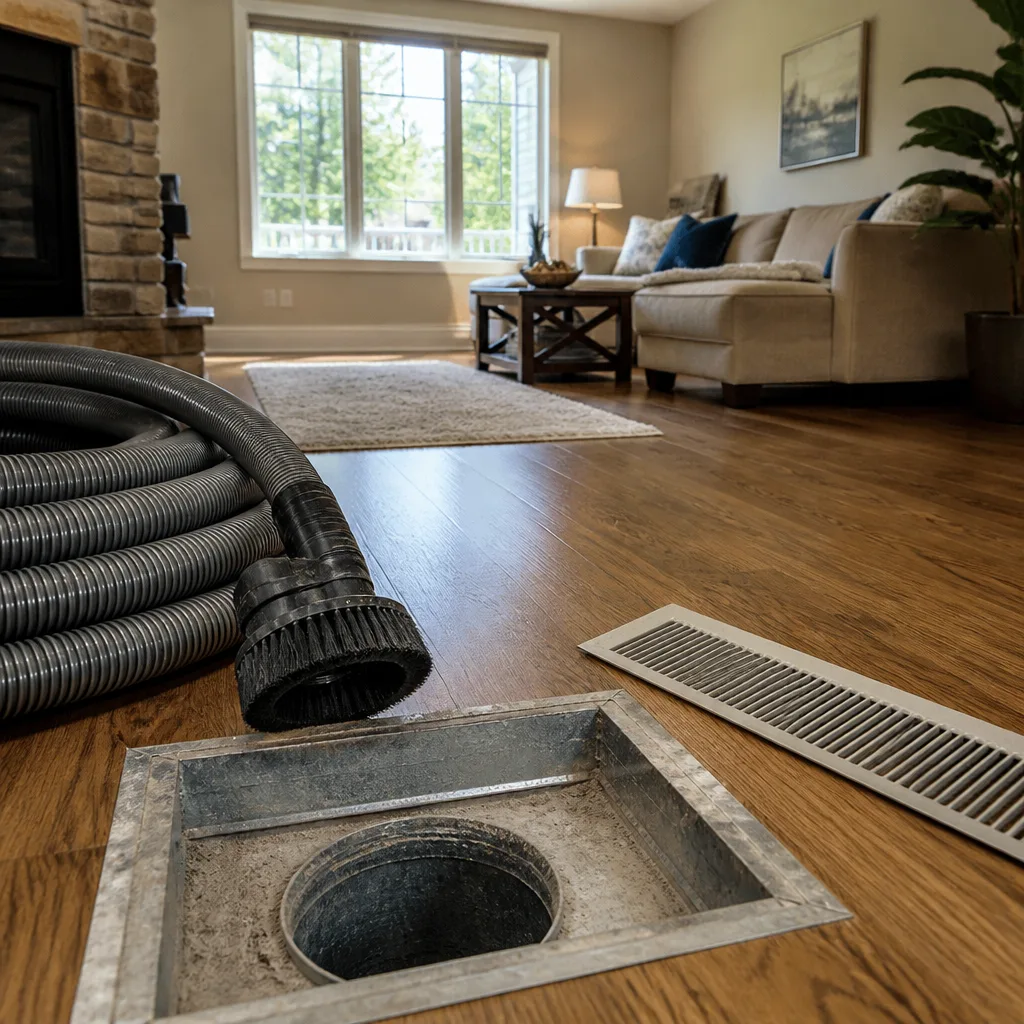 Whole-home duct cleaning
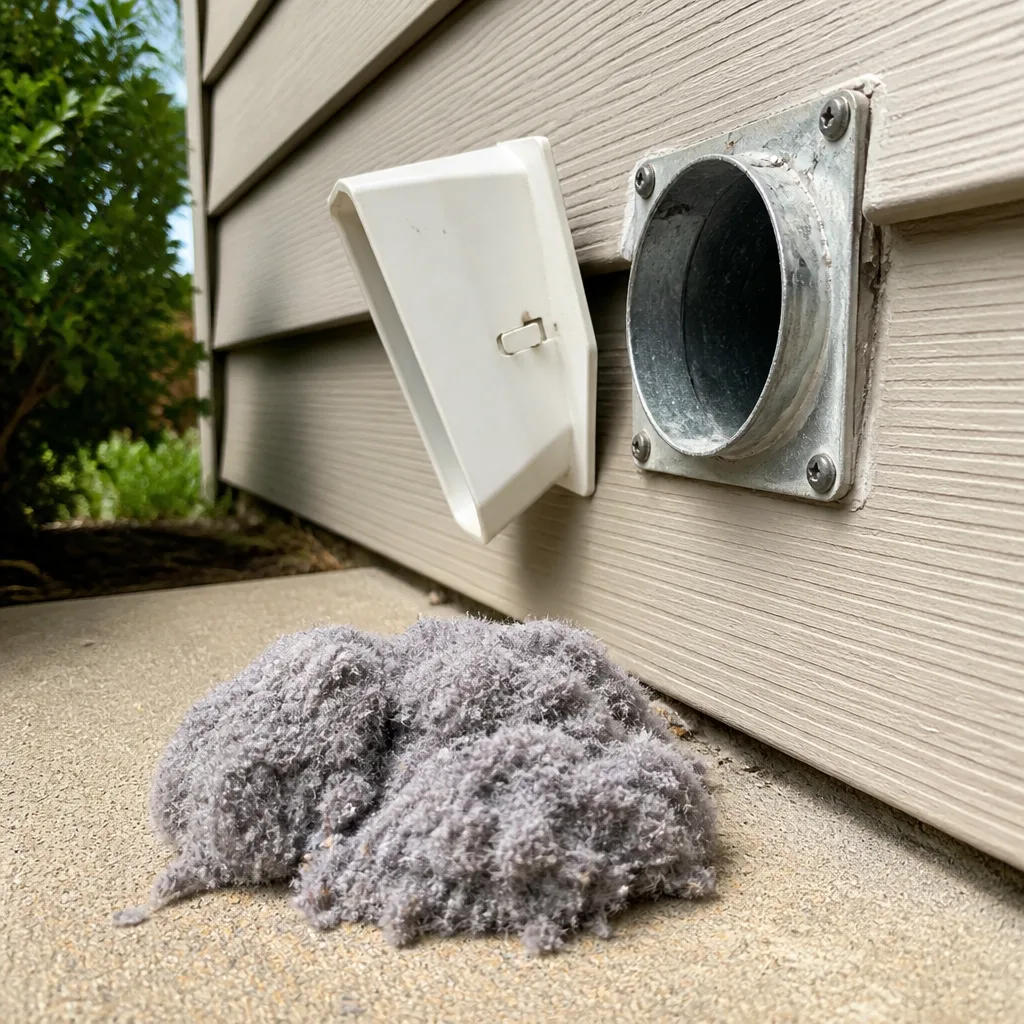 Dryer vent cleaning
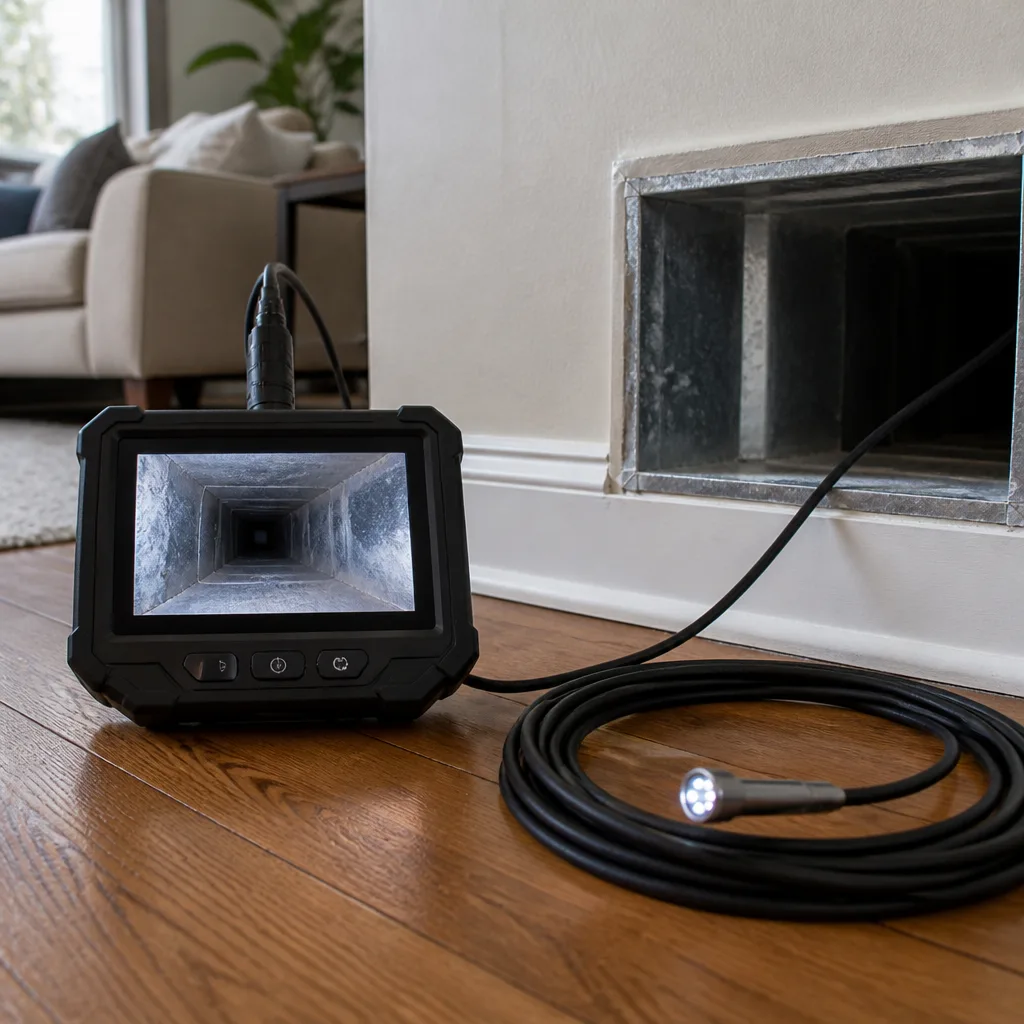 Camera inspection
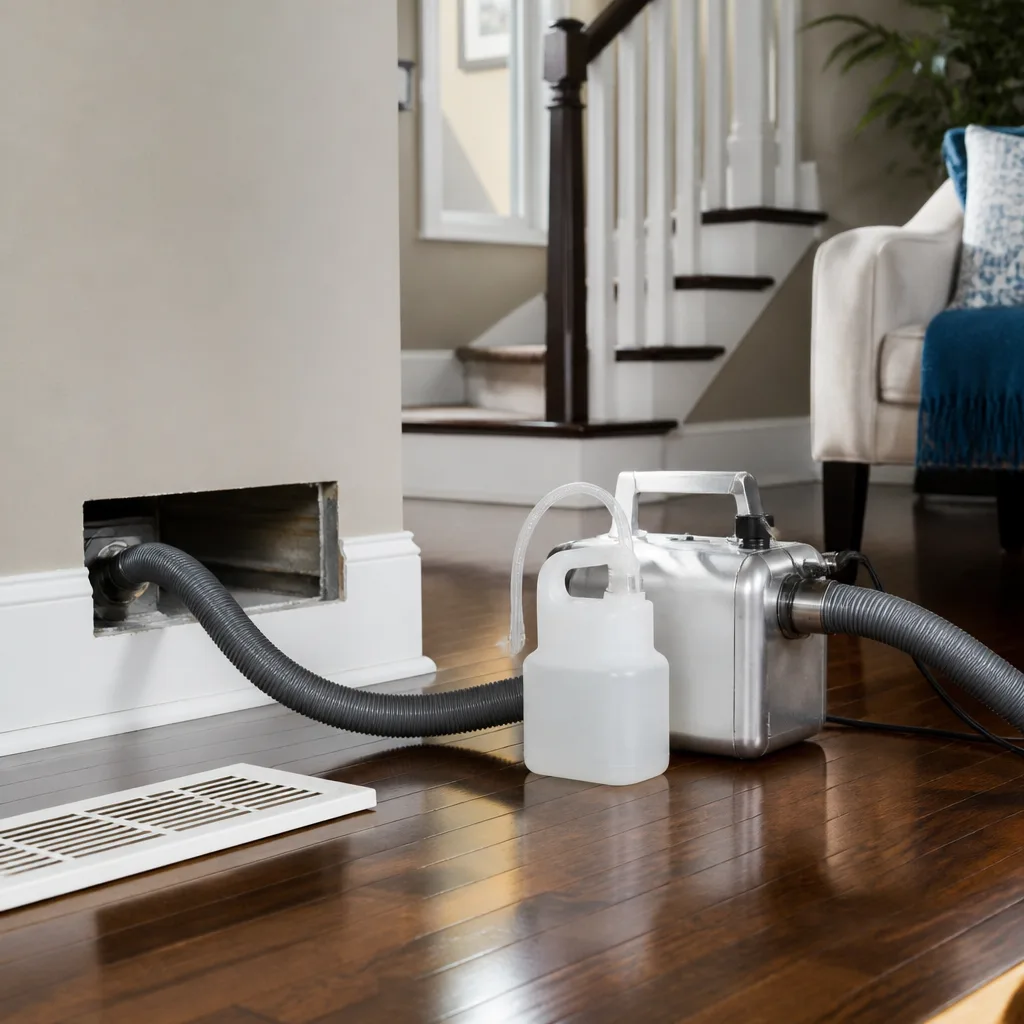 Sanitizing & deodorizing
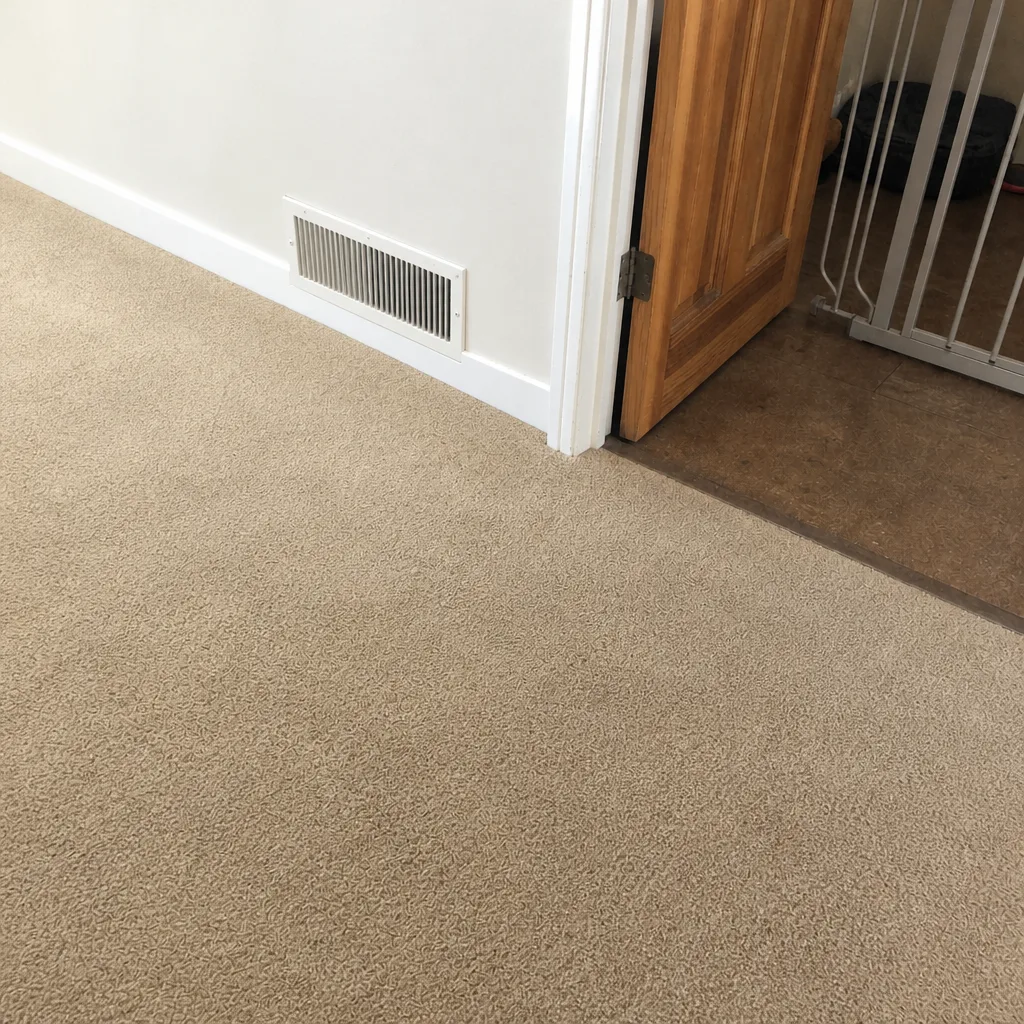
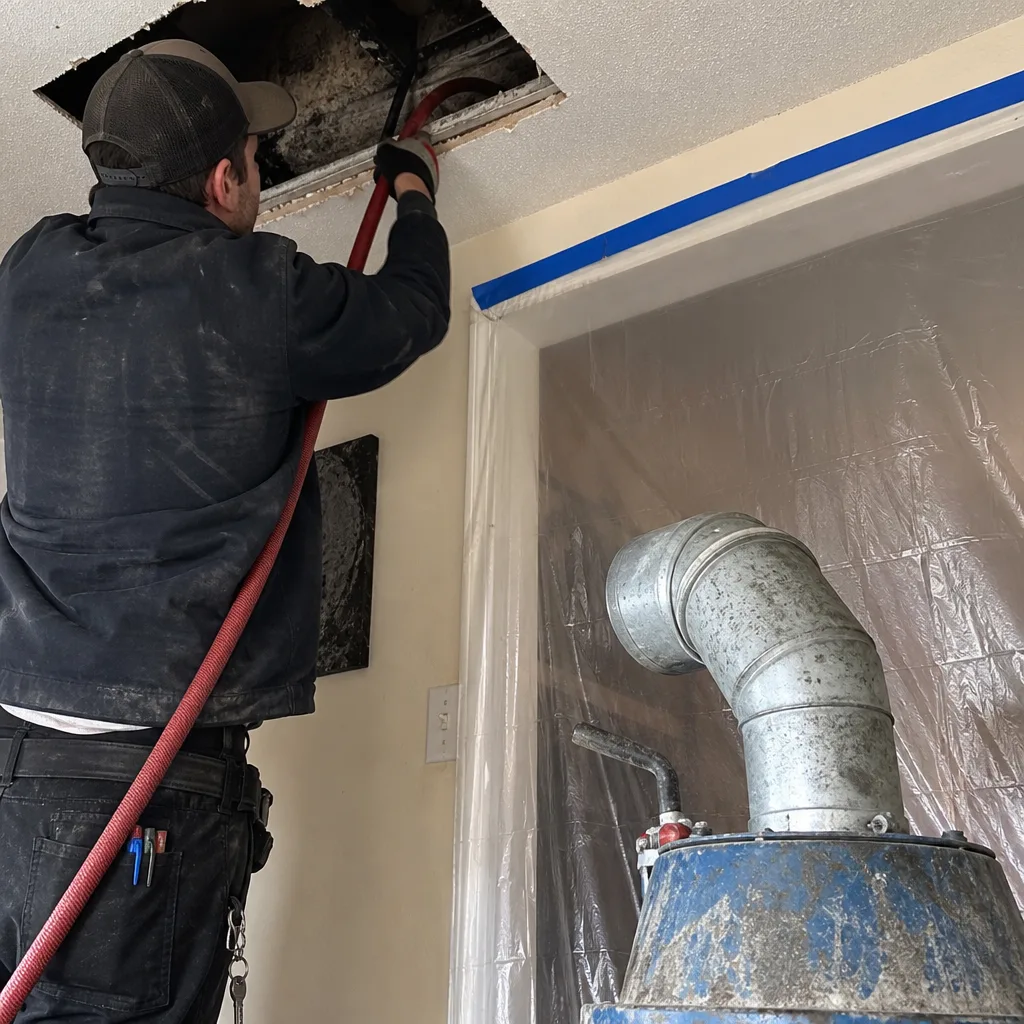
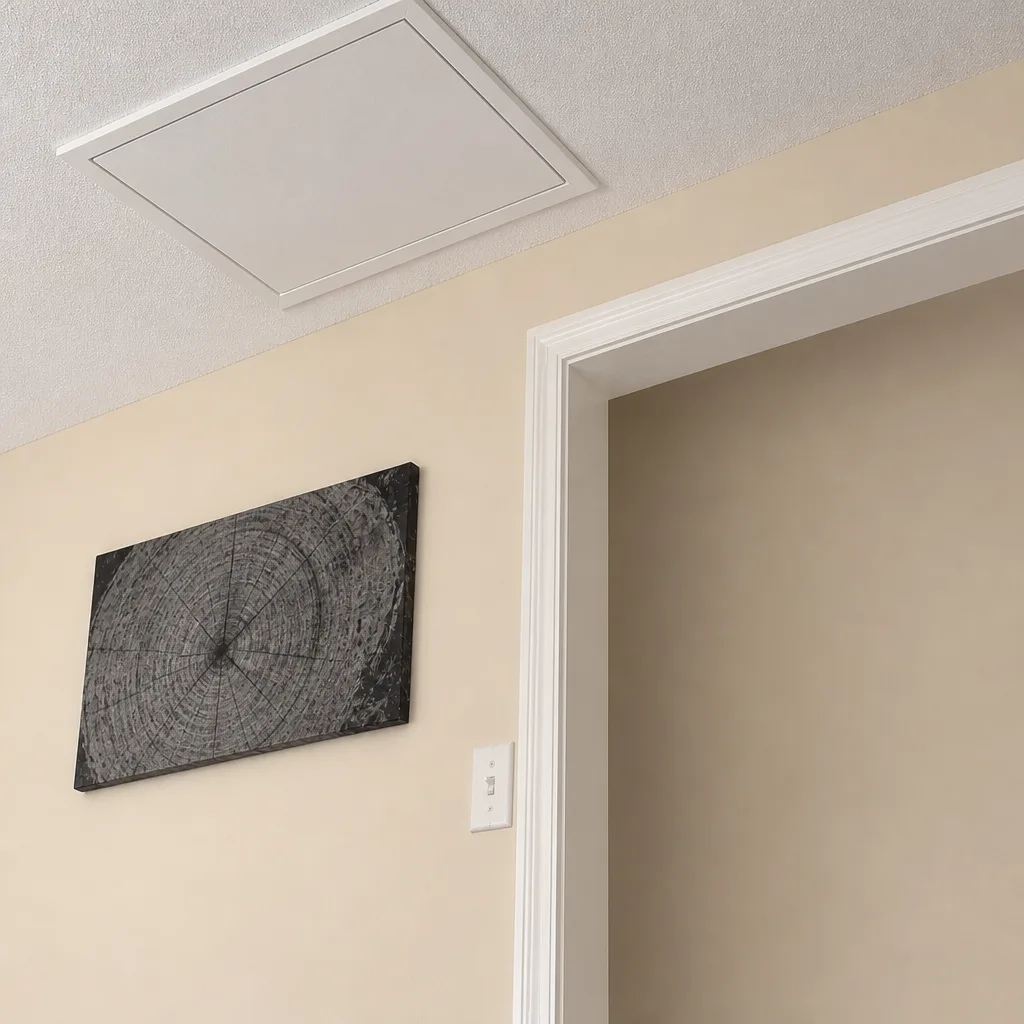
Whole-system duct and dryer vent check with before-and-after photos - you see exactly what came out of your vents
That "$99 whole-house special" is a bait ad - the real number appears once they are in your hallway, or the "clean" is a shop-vac at the register. We photograph the inside of your ducts before and after instead.
Air Duct Cleaning Cost Breakdown: The Queen Anne Homeowner’s Reference for 2026
A $199 whole-house duct cleaning quote and a $650 quote can both be honest numbers – for completely different scopes of work. The problem is that most homeowners compare them as if they describe the same job. They don’t. Duct cleaning pricing in Queen Anne is genuinely variable, and not because contractors are arbitrary. Duct system size, accessibility, contamination level, and whether repair work is needed all create real cost differences that a single flat-rate number can’t honestly reflect. This guide breaks down what the line items actually represent, so you can evaluate a quote against its scope rather than against a dollar figure that describes something else entirely.
Quick Answer
Air duct cleaning in Queen Anne typically runs $350 to $700 for a standard single-family home, with larger or more contaminated systems reaching $900 to $1,400 when repair and sanitizing are included. The final price depends on four things: linear footage of ductwork, number of supply and return registers, accessibility of the system, and whether the ducts need sealing or repair beyond cleaning. A written estimate that itemizes these factors is the only quote you can compare fairly.
Styles & brands we work with
- Whole-home duct cleaning
- Dryer vent cleaning
- Camera inspection
- Sanitizing & deodorizing
Table of Contents
- What Actually Drives Air Duct Cleaning Cost in Queen Anne
- Per-Vent Pricing vs. All-Inclusive Quotes: What’s the Difference?
- Add-On Services: Which Are Legitimate and Which to Scrutinize
- When Contamination Levels Move a Job Into a Different Cost Category
- Queen Anne-Specific Factors That Affect Labor Time and Cost
- How to Evaluate a Duct Cleaning Quote Line by Line
- What a Professional Duct Cleaning Job Actually Involves
- How Often Ducts Really Need Cleaning in Queen Anne
What Actually Drives Air Duct Cleaning Cost in Queen Anne
Duct cleaning isn’t priced by the hour or by the room. It’s priced by the scope of the system, and four variables set that scope. Understanding them lets you look at a quote and see whether the number matches the work.
1. Linear footage of ductwork. A 1,200-square-foot bungalow and a 3,000-square-foot four-square have very different amounts of duct. Extraction equipment runs the length of every branch line and trunk, so footage is the single biggest driver of labor time.
2. Number of supply and return registers. Each register is a point where equipment connects, seals, and extracts. A home with 12 registers takes less time than one with 22. This is why per-vent pricing exists – and why it becomes a problem on larger systems, which we’ll cover below.
3. System accessibility. Ducts that run through open basement ceilings are quick to reach. Ducts buried behind finished drywall, in crawlspaces with limited clearance, or in attic chases that require panel removal add labor. Queen Anne’s older housing stock has plenty of all three.
4. Single- versus multi-story layout. A two-story home typically has multiple trunk lines, longer runs, and more transition points where debris collects. The equipment has to be repositioned and reconnected more often, and that time shows up in the estimate.
In our experience, a straightforward ranch-style home in Queen Anne with accessible ducts and a moderate register count sits at the lower end of the range. A multi-story home with a finished basement, limited access panels, and a system that hasn’t been cleaned in a decade sits at the upper end. Neither number is inflated – they describe different amounts of work.
Per-Vent Pricing vs. All-Inclusive Quotes: What’s the Difference?
Per-vent pricing charges a set amount for each register, usually somewhere in the range of $25 to $45 per vent depending on the market. It sounds transparent. On a small system, it often is. On a home with 20 or more registers, per-vent pricing can quietly exceed what an all-inclusive quote would have cost for the same work – and it usually leaves out the parts of the job that matter most.
Here’s what per-vent models typically leave out:
- Trunk line and plenum cleaning. The main supply trunks and the return plenum carry the largest volume of debris. Per-vent pricing often covers only the branch lines that feed each register.
- The air handler and blower compartment. Debris collects directly on the blower wheel and evaporator coil. Cleaning registers without addressing the air handler leaves the source of contamination in place.
- Return ductwork. Returns pull air back through the system and are frequently the dirtiest runs in the house. Some per-vent quotes count them, some don’t.
- Containment and filtration. Professional work uses negative-pressure containment and HEPA filtration so dislodged debris doesn’t end up in your living space. That equipment has a cost, and it’s not in a per-vent number.
An all-inclusive quote should specify each of these items in writing: the number of registers, the footage of trunk and branch lines, whether the air handler is included, whether returns are included, and what containment method is used. If a quote lists a single number with no scope breakdown, you can’t tell whether it covers a full-system clean or a surface pass.
For homes with 20-plus registers, ask for the all-inclusive price and compare it against the per-vent calculation. Often the all-inclusive number is lower – and it’s always the more honest description of the work. Our air duct cleaning estimates are quoted per system, not per vent, with the full scope written out before any work begins.
Add-On Services: Which Are Legitimate and Which to Scrutinize
Some add-ons are real parts of a complete job. Others are sales tactics timed to catch you mid-service, when it’s harder to think clearly about whether you need them. Here’s how to sort them.
Legitimate add-ons:
- Dryer vent cleaning. A genuine service with a real safety rationale. Lint accumulation in the dryer vent line is a leading cause of residential fires, and the cleaning is distinct from ductwork cleaning. If you’re already having the HVAC system serviced, having the dryer vent cleaning done in the same visit saves you a second appointment and covers a separate risk.
- Sanitizing treatment. Applied after cleaning, a sanitizing fog reaches surfaces that extraction can’t scrub. It’s appropriate when there’s been moisture intrusion, rodent activity, or a contamination finding – and unnecessary if the ducts are simply dusty.
- Duct sealing and repair. If the inspection turns up disconnected joints, crushed flex runs, or gaps at the plenum, sealing is the fix that keeps cleaned ducts clean. Cleaning without sealing is a temporary result.
Add-ons to scrutinize:
- UV light installation pitched mid-job. UV systems have a place in managing coil moisture and biological growth, but the decision shouldn’t be made in your hallway ten minutes after the technician arrives. Ask for the recommendation in the written estimate, with the reasoning and the model named, and decide before work starts.
- “Antimicrobial” treatments with no stated product or purpose. If a treatment is recommended, the quote should say what it is, what it addresses, and why your system needs it.
- Any add-on that appears only after the technician is on site. A legitimate finding should be documented – photos of the duct interior, the disconnected joint, or the contaminated coil – and priced in writing before you approve it.
We source and install Aprilaire and Honeywell air quality products because they’re the names homeowners ask about, and we’ll quote them up front when they make sense for your system. What we won’t do is present one as an emergency in the middle of a cleaning.
When Contamination Levels Move a Job Into a Different Cost Category
Standard duct cleaning removes dust, debris, and the accumulated buildup that any system collects over time. Mold remediation is a different category of work, and it costs more because it involves more: containment, removal of affected materials in some cases, treatment of the surfaces that remain, and verification that the problem is resolved.
A job crosses from cleaning into remediation when the inspection finds active biological growth on duct surfaces, the interior liner of flex duct, or the air handler components. Visible growth, a persistent musty odor that returns after cleaning, or a history of water intrusion near the system are the usual triggers. In Queen Anne, the most common cause is condensation – a poorly insulated duct run through a cool crawlspace or attic, or an evaporator coil that stays wet – rather than an obvious leak.
What remediation actually involves, beyond standard cleaning:
- Source identification. Cleaning mold without fixing the moisture source guarantees it returns. The inspection has to find where the water is coming from.
- Containment. Negative-pressure containment keeps spores from spreading into living space during the work. This is where professional filtration equipment matters – the category of gear used in remediation environments, not a shop vacuum with a filter bag.
- Removal and treatment. Porous materials that can’t be cleaned are removed and replaced. Remaining surfaces are cleaned and treated.
- Repair and sealing. The moisture path is closed off – sealed joints, insulated runs, corrected drainage – so the condition doesn’t recur.
- Verification. A post-remediation check confirms the surfaces are clean before the system goes back into service.
Pricing for this work is quoted per job after inspection, because the scope depends entirely on what’s found. A homeowner comparing a remediation quote to a standard cleaning quote is comparing two different services. If a company quotes a standard cleaning price and then discovers growth mid-job, the honest response is to stop, document it, and re-quote – not to add a line item on the invoice.
Queen Anne-Specific Factors That Affect Labor Time and Cost
Queen Anne’s housing stock is one of the reasons duct cleaning quotes here vary more than in newer suburbs. The neighborhood’s mix of early-1900s craftsman homes, mid-century builds, and newer infill means no two systems look alike, and several local conditions add labor time.
- Older homes with limited access panels. Many Queen Anne homes were built before ducted forced-air systems existed, which means the ductwork was retrofitted later – often through closets, soffits, and chases with small or improvised access points. Getting equipment into those runs takes time that a newer home’s open basement doesn’t require.
- Mixed duct materials. It’s common to find original galvanized trunk lines feeding newer flex branch runs added during a remodel or furnace replacement. Each material needs a different cleaning approach, and transitions between them are where debris and disconnections hide.
- Partial systems. Some Queen Anne homes run hydronic heat – radiators or in-floor – with forced air added later for cooling or a supplemental zone. A partial system has fewer registers but the same fixed costs for setup and inspection, which means the per-register cost looks higher even though the job is smaller.
- Renovation dust. Queen Anne sees a steady pace of remodels, and drywall dust, insulation fibers, and construction debris settle into ductwork during the work. Post-renovation cleaning is a heavier job than routine maintenance cleaning because the debris load is different in kind, not just in quantity.
- Moisture from our wet winters. Queen Anne’s damp season puts pressure on crawlspaces and attics. Poorly sealed duct joints in those spaces pull moist air into the system, which is a repair issue as much as a cleaning one.
The practical takeaway: a quote prepared without walking the system is a guess. The variables above can only be assessed on site, and a company that quotes a firm number over the phone without seeing the house is either padding the estimate or planning to revise it once the equipment is out.
How to Evaluate a Duct Cleaning Quote Line by Line
Comparing quotes fairly comes down to a short checklist. Run every estimate you receive through it, and the cheapest number will often turn out to be the least complete one.
- Does the quote list the number of registers and the footage of ductwork? If it doesn’t state the scope, it isn’t a comparable quote.
- Is the air handler included? Cleaning the ducts without cleaning the blower and coil leaves the system’s main collection point untouched. The quote should say either way.
- Are return ducts included? Returns are often the dirtiest runs. Confirm they’re in scope.
- What containment and filtration does the company use? Professional work uses negative-pressure containment with HEPA filtration. Ask what equipment will be in the house.
- Is the price per system or per vent? Per-system pricing (one flat price for the whole system, agreed before work starts) is the format that lets you compare apples to apples. Per-vent pricing should be calculated out so you can see the total.
- Does the quote include a repair inspection? A company that also offers HVAC cleaning and duct repair will flag disconnected joints and crushed runs during the clean. Ask whether that inspection is part of the job.
- Will you get before-and-after photos of your own ducts? This is the single best answer to the industry’s bait-and-switch reputation. A company using professional extraction systems can photograph the duct interior before and after. Ask for it in writing.
- Is anything conditional or “starting at”? A “starting at” price is a marketing number, not an estimate. Ask for the number that will be on the invoice, in writing, before work begins.
One more check: ask about the credentials of the local professional who will do the work. The pro we connect you with is licensed and insured as their state requires, and a company that can answer that question without hesitation is a company worth considering.
What a Professional Duct Cleaning Job Actually Involves
Understanding the process makes it clear why the price differences exist – and what you should see happening in your home.
Professional-grade equipment, not shop vacuums, is the baseline. Consumer vacuums and uncertified equipment don’t generate enough airflow to move debris through the system, and they don’t contain what they dislodge. Companies in this trade use purpose-built extraction systems – Rotobrush and Nikro are the two names you’ll see most, and we run both. When a technician arrives with a machine built for duct cleaning, the setup takes time and the results are different.
Here’s how the job typically runs:
- Inspection and setup. The technician walks the system, counts registers, locates access points, and sets up containment at the openings. The air handler is shut down.
- Negative-pressure containment. HEPA filtration equipment creates negative pressure in the duct system so dislodged debris travels to the collection unit instead of into your rooms. This is where equipment from names like Abatement Technologies makes a visible difference – it’s the same category of filtration used in professional remediation work.
- Mechanical agitation. Rotary brushes and air whips travel the length of each run, loosening debris from duct walls that airflow alone won’t move.
- Extraction. The loosened debris is pulled through the system to the collection unit. Every register and both trunk lines get this treatment.
- Air handler and coil cleaning. The blower wheel, cabinet, and accessible coil surfaces are cleaned separately.
- Sanitizing, if included. A fogging treatment reaches surfaces extraction can’t scrub – appropriate when the inspection found moisture or contamination.
- Inspection and documentation. Before-and-after photos of the duct interior are taken, and any repair findings – disconnected joints, crushed flex, gaps at the plenum – are documented and quoted in writing.
The repair step is what separates a full-service job from a cleaning pass. Ducts that were cleaned but still leak at the joints pull new debris in within months. Sealing the joints is what makes the cleaning last. That’s why we clean it, seal it, and treat it as one process – find the source, not just the symptom.
How Often Ducts Really Need Cleaning in Queen Anne
Most homes don’t need annual duct cleaning. The honest answer for a typical Queen Anne household is every three to five years for a well-maintained system, with exceptions that justify a sooner appointment. The “every year” recommendation you’ll see in some marketing comes from companies with an incentive to sell cleaning, not from a real maintenance schedule.
Situations that justify cleaning sooner:
- A renovation or remodel that generated drywall dust and construction debris in the system
- Moving into a home where the previous owner’s maintenance history is unknown
- Visible dust blowing from registers or persistent odors when the system runs
- Allergy or respiratory concerns in the household that worsen when the HVAC runs
- A new HVAC installation, where the existing ducts should be cleaned before the new equipment is connected
- Rodent activity or water intrusion found in the ductwork
For more on what’s involved in the broader system service, our guide to HVAC cleaning covers the equipment-side work that pairs with duct cleaning. And since dryer vents run on a different schedule entirely, that service should be done every one to two years regardless of what your ducts need.
Common Mistakes to Avoid
- Comparing a per-vent quote to an all-inclusive quote without calculating the totals. On a 20-register system, per-vent pricing may add up to more than the all-inclusive number – and cover less. Run the math before you decide which is cheaper.
- Accepting a firm phone quote without an on-site walk of the system. Queen Anne’s older homes vary too much for an honest phone quote. A firm number given sight-unseen is either padded or scheduled for a mid-job revision.
- Approving an add-on pitched after the work starts. Legitimate findings get documented and quoted in writing before you approve them. Ask for the photos and the written price first.
- Choosing on price alone when one quote includes air handler cleaning and another doesn’t. If one company cleans the blower and coil and another skips them, the cheaper quote is describing a smaller job, not a better deal.
- Skipping the repair inspection after cleaning. Cleaned ducts with leaking joints re-contaminate faster than dirty ducts that were sealed. Ask whether the quote includes sealing.
- Treating a mold remediation quote as a standard cleaning quote. The scopes are different, and comparing the numbers without comparing the scope leads to the wrong conclusion.
- Not asking for before-and-after photos. Photos of your own ductwork are the simplest way to confirm the job was actually done to the scope you paid for.
See the difference
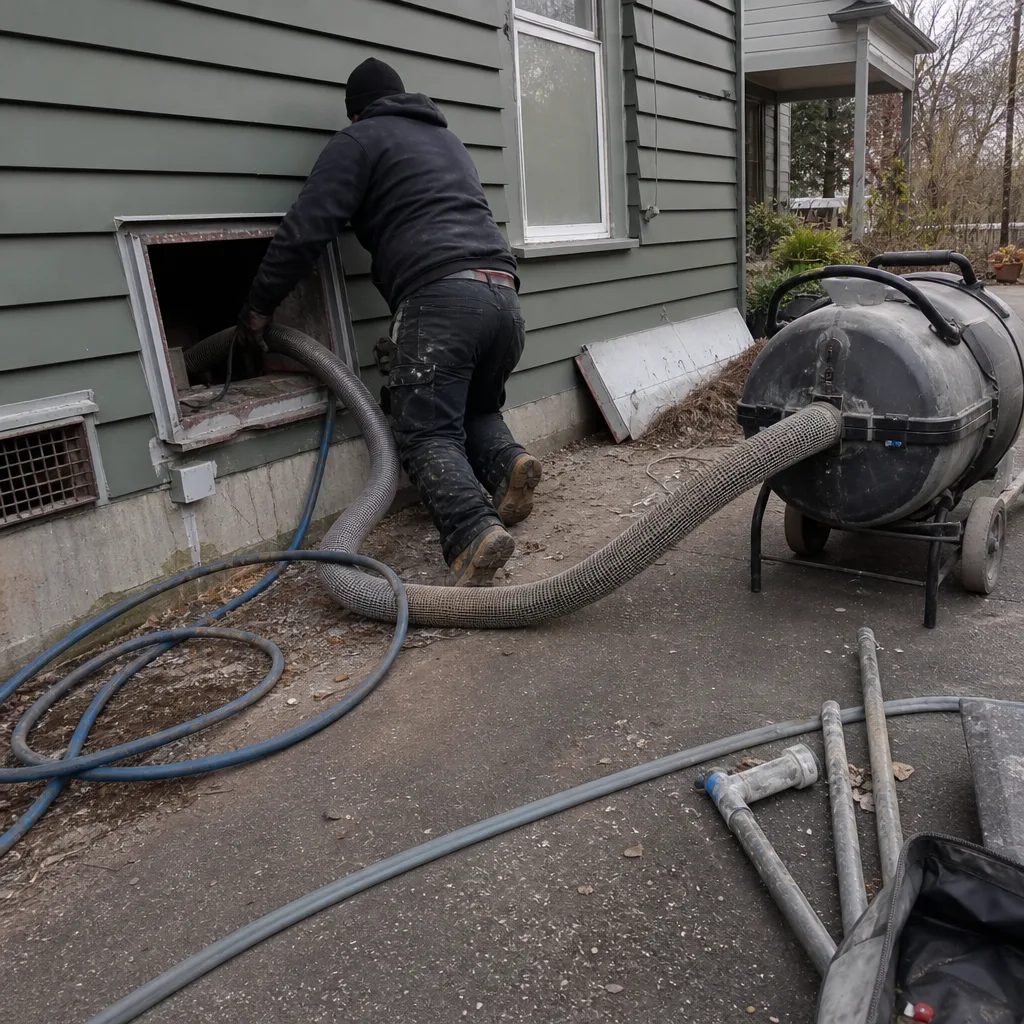 Before
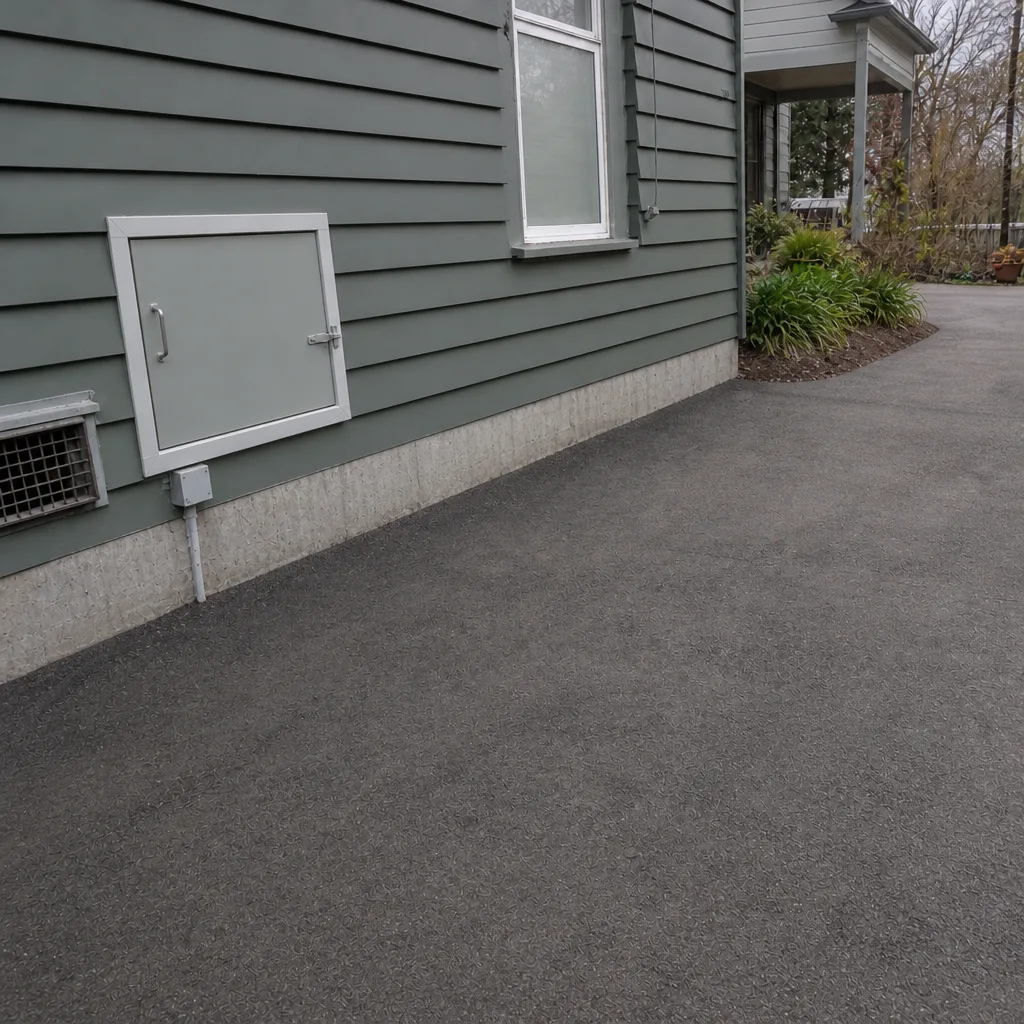 After
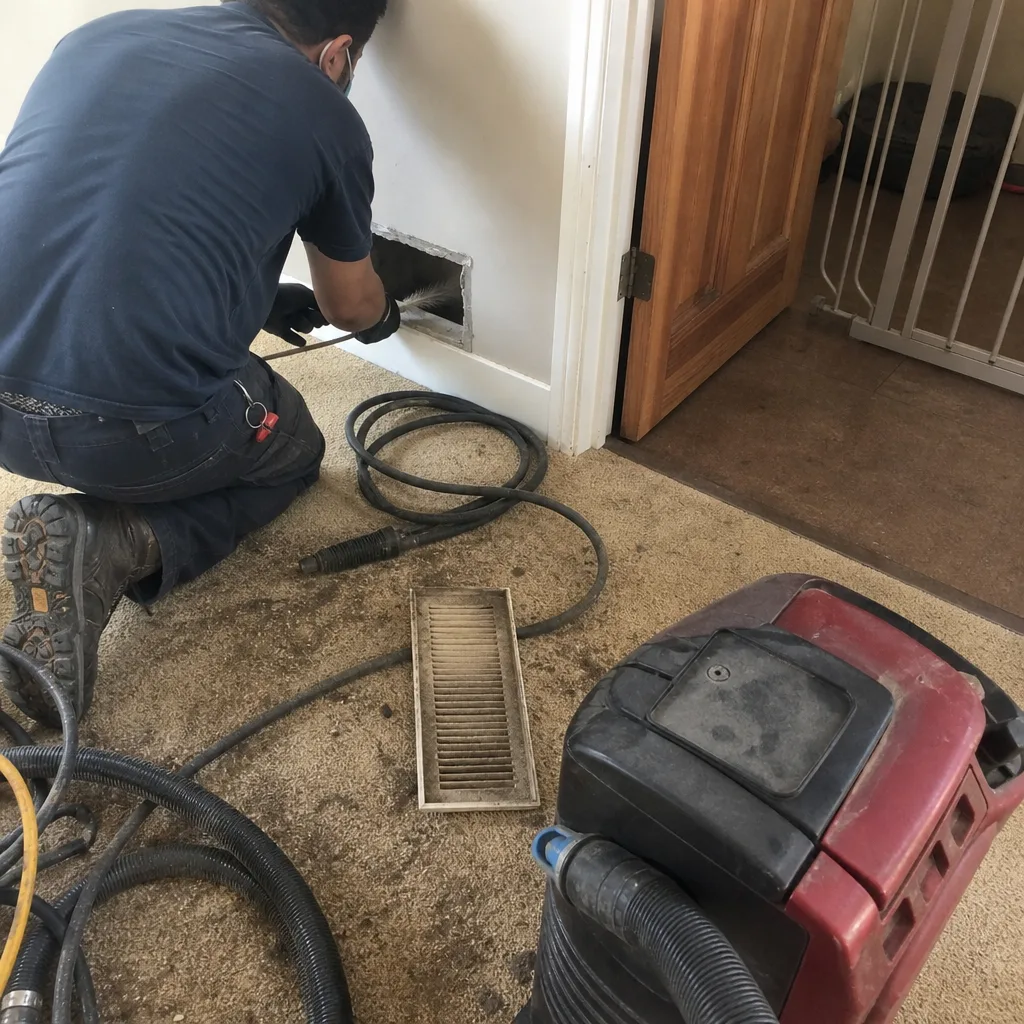 Before
 After
 Before
 After
When to Call a Professional
Some signs point to duct cleaning. Others point to a repair, and it’s worth knowing the difference before you call. If you’re seeing visible dust blowing from registers when the system starts, if there’s a persistent musty odor that returns after the furnace cycles, or if a recent remodel sent construction dust into the system, a professional inspection is the right first step. The same goes if you’ve just bought a home in Queen Anne and don’t know when the ducts were last serviced, or if a new HVAC installation is going in and the existing ducts should be cleaned before the equipment is connected. Disconnected joints, crushed flex runs, and gaps at the plenum are repair issues that cleaning alone won’t fix. Air Duct Cleaning Queen Anne offers free estimates in Queen Anne – call (833) 736-3635. Our technicians have up to 11 years of experience, the local pro is licensed and insured as their state requires, and you get one flat price per system agreed before work starts, with before-and-after photos of your own ducts.
Frequently Asked Questions
Air duct cleaning in Queen Anne typically costs $350 to $700 for a standard single-family home, and $900 to $1,400 when duct repair, sealing, and sanitizing are included. The range reflects real differences in duct footage, register count, accessibility, and contamination level – not contractor arbitrariness. Call (833) 736-3635 for an exact quote – estimates are free.
Cheap quotes are usually describing less work: branch lines only, no air handler cleaning, no return ducts, and consumer-grade equipment instead of professional extraction systems. A $199 quote and a $650 quote can both be honest numbers for different scopes, but only one of them covers the full system. Ask for the scope in writing, then compare. Call (833) 736-3635 to walk through what your system actually needs.
Ask for before-and-after photos of your own ductwork. A company using professional extraction systems can photograph the duct interior before and after cleaning, and those photos should show the specific runs, registers, and air handler you’re paying to have cleaned. If photos aren’t offered, ask for them in writing before the job. Call (833) 736-3635 for an estimate that includes documentation.
Every three to five years for a typical Queen Anne home, not every year. Sooner appointments make sense after a renovation, after moving into a home with unknown maintenance history, after a new HVAC installation, or when visible dust or odors point to a problem. Annual cleaning is rarely justified for a well-maintained system. Call (833) 736-3635 to talk through your situation and get an honest recommendation.
Flat-rate per-system pricing is easier to compare and usually lower on homes with 20 or more registers. Per-vent pricing can be transparent on small systems, but it often excludes trunk lines, the air handler, and return ducts – the parts of the job that matter most. Ask for the all-inclusive number either way. Call (833) 736-3635 for a per-system quote with the scope written out.
Cleaning removes dust and accumulated debris; remediation addresses active biological growth and involves containment, removal or treatment of affected materials, repair of the moisture source, and post-work verification. That’s why remediation quotes are higher – it’s a different service with a different scope. If growth is found mid-job, the honest response is to stop, document it, and re-quote before proceeding. Call (833) 736-3635 to schedule an inspection.
The Bottom Line
Air duct cleaning cost in Queen Anne is variable because duct systems are variable – footage, register count, accessibility, contamination level, and repair needs all move the number. A quote is only useful if it states its scope: registers counted, trunk and return lines included, air handler covered, containment method named, and repair inspection performed. Compare quotes against that checklist, not against the bottom line. One flat price per system, agreed before work starts, with before-and-after photos of your own ducts, is the format that lets you judge value honestly. Our technicians have up to 11 years of experience, and we run professional-grade equipment built for this trade.
Ready for a real number? Call (833) 736-3635 for a free estimate. We answer 24/7. Fast dispatch from 7am to 7pm, Sunday through Friday. One call covers the full system – cleaning, repair and sealing, sanitizing, and dryer vent work – with the full scope agreed in writing before anything starts. Start with Air Duct Cleaning Queen Anne for the system overview, or call and we’ll book an inspection of your ducts.
Written by the team at Air Duct Cleaning Queen Anne.