
Last updated November 22, 2026
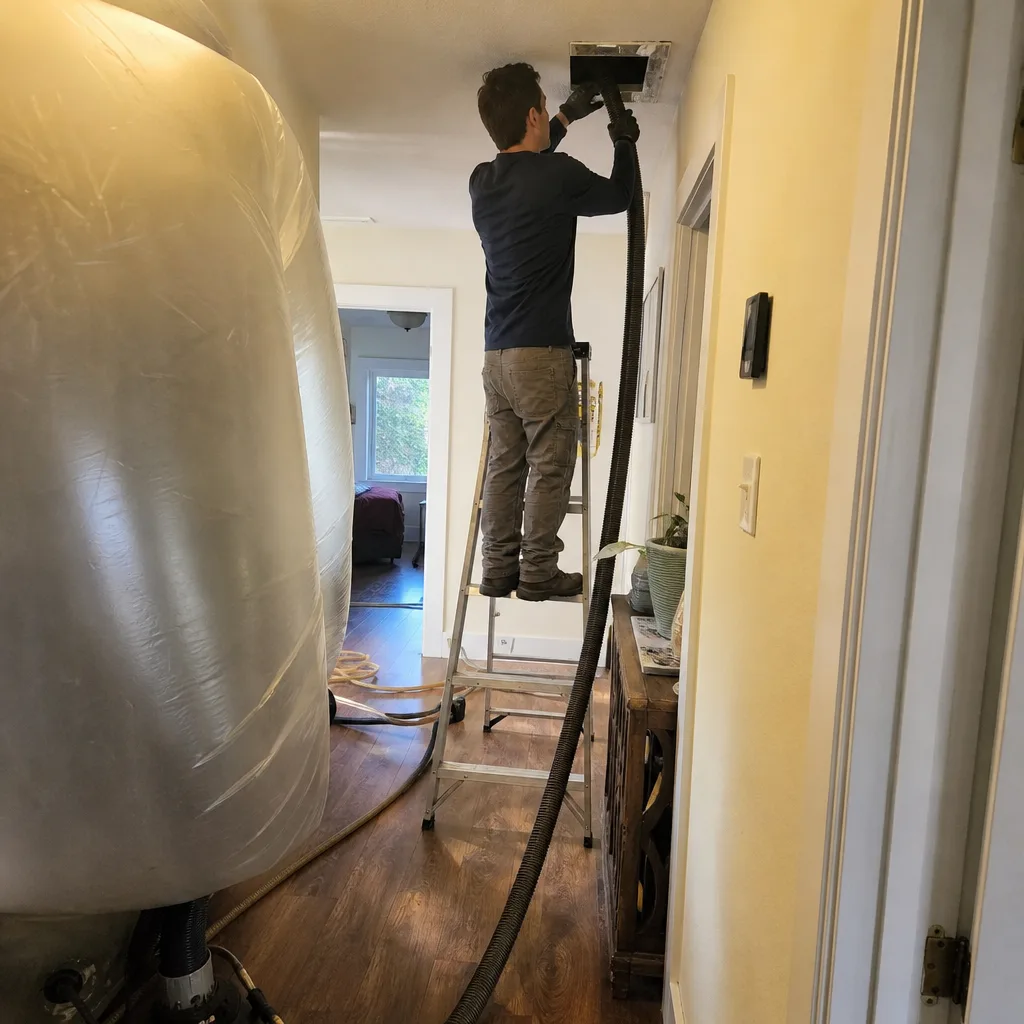
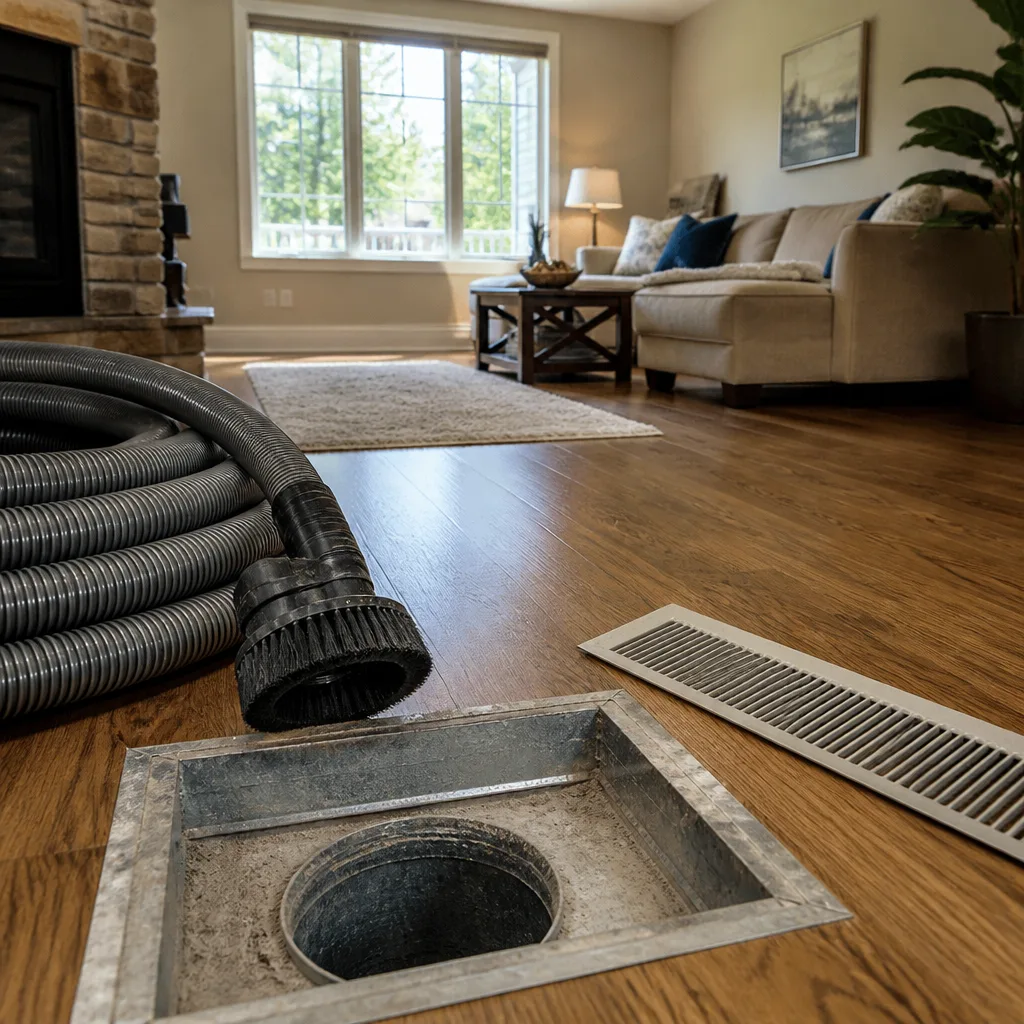 Whole-home duct cleaning
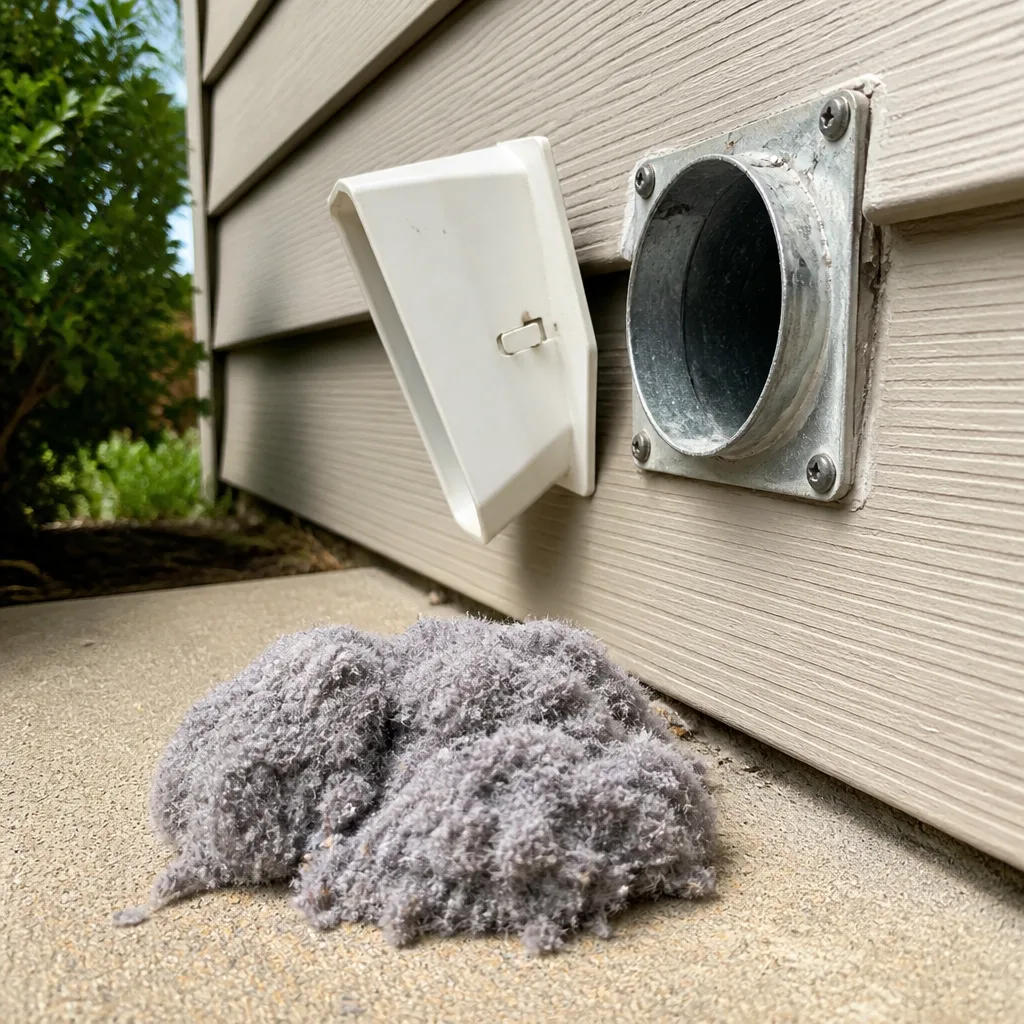 Dryer vent cleaning
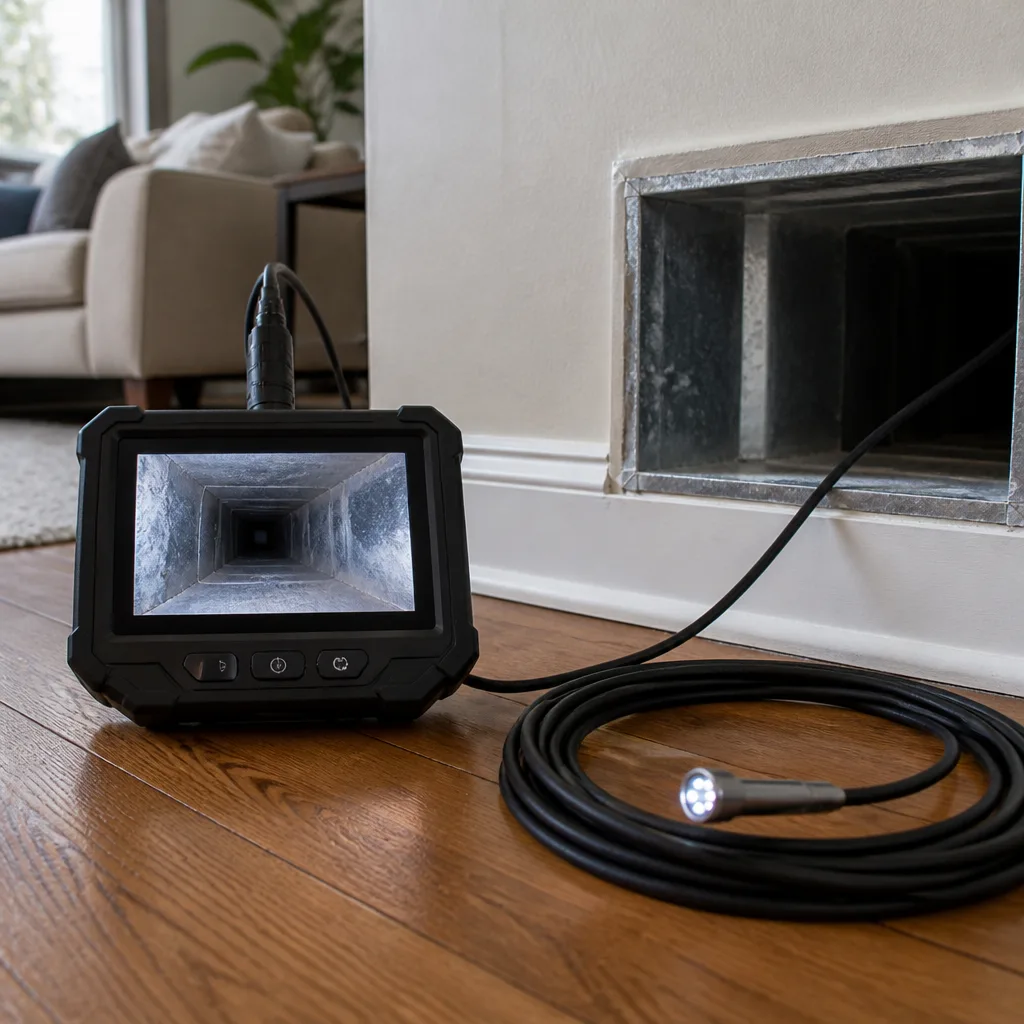 Camera inspection
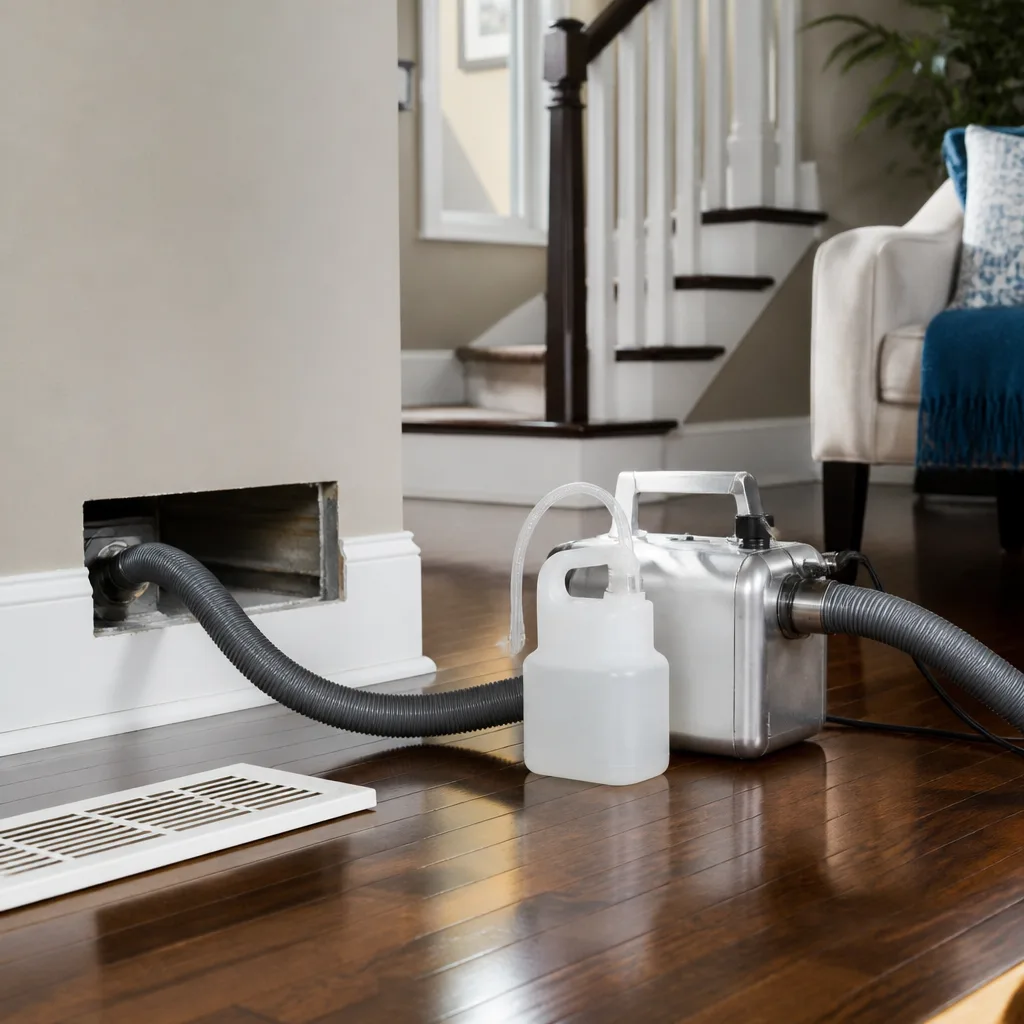 Sanitizing & deodorizing
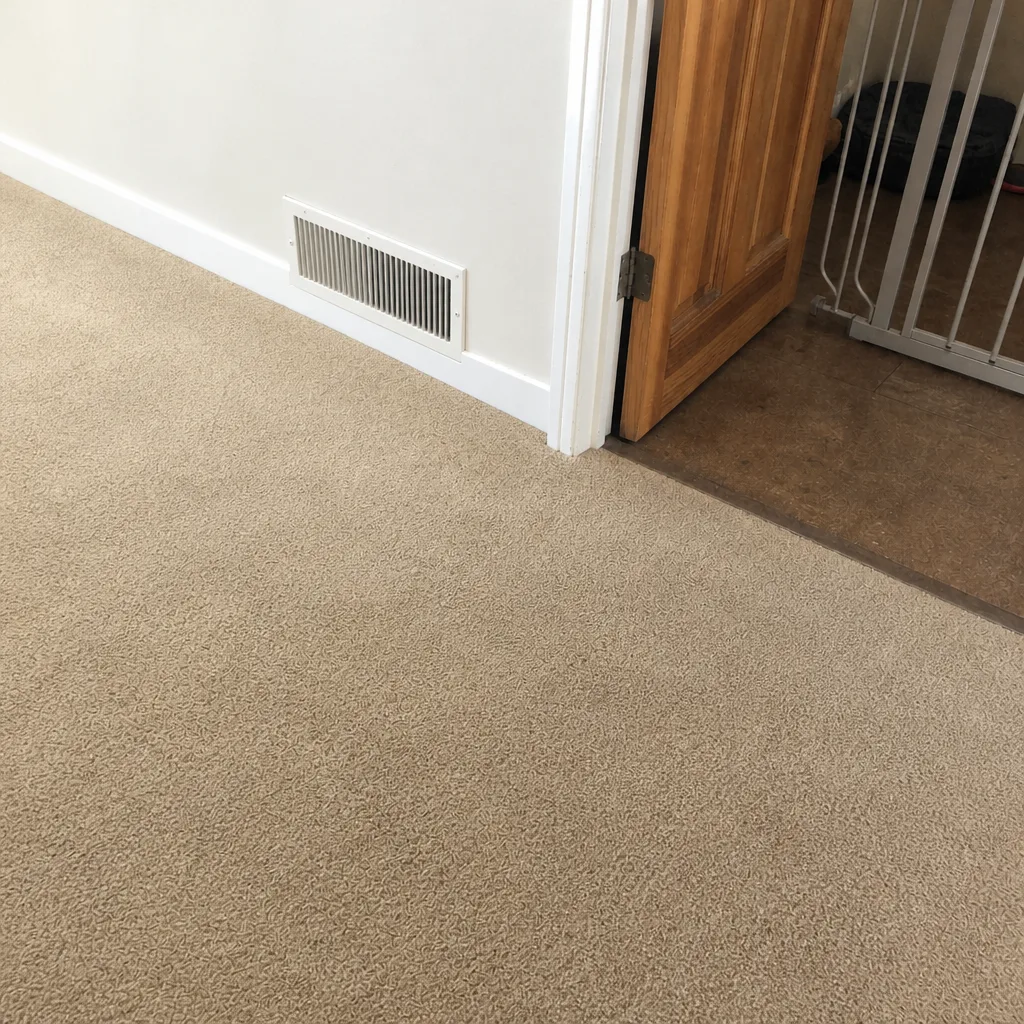
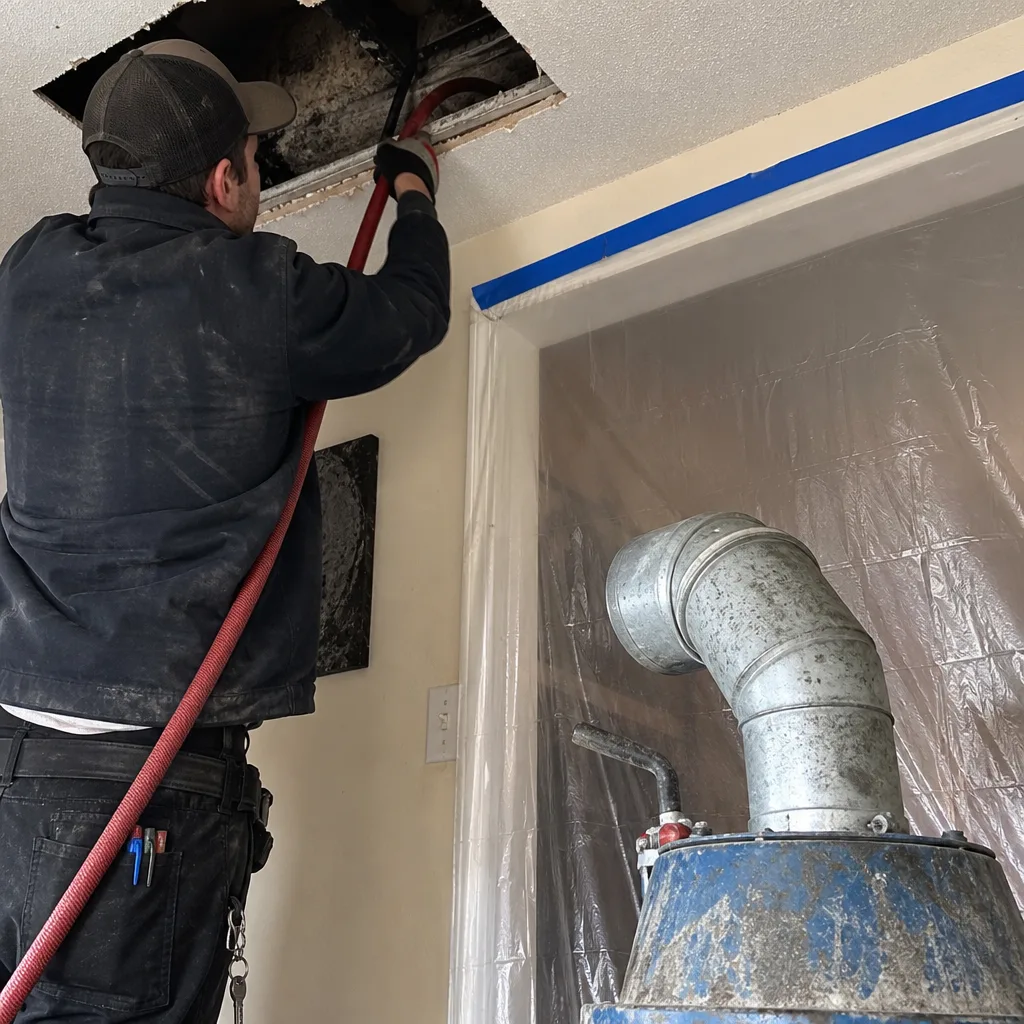
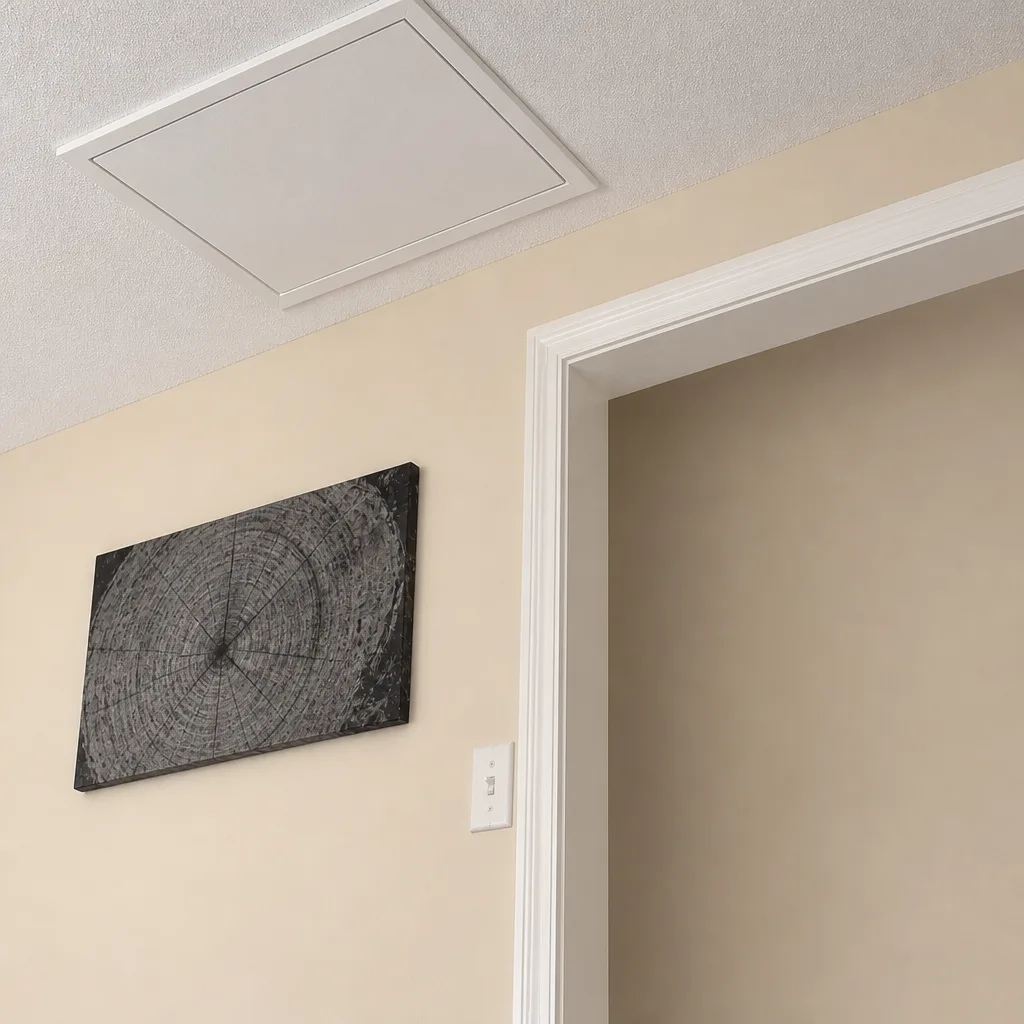
Whole-system duct and dryer vent check with before-and-after photos - you see exactly what came out of your vents
That "$99 whole-house special" is a bait ad - the real number appears once they are in your hallway, or the "clean" is a shop-vac at the register. We photograph the inside of your ducts before and after instead.
Air Duct Cleaning Maintenance Checklist for Queen Anne Homeowners
Most duct maintenance checklists online tell you to change your filter every 90 days and call it complete. That advice misses the five conditions that actually predict when a Queen Anne home’s ductwork is overdue for professional attention, and none of them show up on a filter. Filters catch what reaches them; they tell you nothing about what’s growing on the walls of the ducts upstream or what settled into the trunk line during last winter’s rainy months. This guide separates what you can observe yourself from what takes equipment to detect, so you stop guessing and start tracking the right indicators through the year. We’ll walk through observable signs, filter loading as a leading indicator, the October-to-March condensation window that matters here, and how to log findings so a technician can tell a sudden problem from a slow accumulation.
Quick Answer
A practical duct maintenance checklist for a Queen Anne home tracks five observable conditions: visible dust discharge at the registers, musty odor on first HVAC startup, uneven room temperatures, filter loading rate, and any recent renovation, HVAC replacement, or water intrusion. Of those, only filter loading rate and register dust give you an early warning before the problem affects air quality throughout the house. Everything past that point requires professional-grade inspection and extraction equipment to verify and address. The checklist below is built around those five, plus seasonal timing tied to the Pacific Northwest’s wet season.
Styles & brands we work with
- Whole-home duct cleaning
- Dryer vent cleaning
- Camera inspection
- Sanitizing & deodorizing
Table of Contents
- The Five Observable Indicators for Queen Anne Homes
- Filter Tracking as a Leading Indicator
- The October-to-March Checklist for Queen Anne’s Rainy Season
- How to Log Findings Over Time
- Call Now vs. Schedule at the Next Service Interval
- What a Full-System Visit Actually Covers
- Common Mistakes to Avoid
- When to Call a Professional
The Five Observable Indicators for Queen Anne Homes
Before any equipment comes out, a homeowner can watch for five specific signs. These are the conditions that most reliably predict duct contamination. They don’t all appear at once, and a slow accumulation pattern can hide behind a normal-looking register for months. What you’re looking for is change over time, not a single snapshot. A register that’s always had a fine dust film is one thing. A register that went from clean to damp with a dark edge in six weeks is another matter entirely.
The five indicators to watch:
- Visible dust discharge at the registers. Look at the supply grilles when the system first runs each day. A light dust film is normal. Puffs of dust or a dark streak pattern on the ceiling near the register point to airborne particulate where the duct terminates. In Queen Anne homes with older sheet-metal trunk lines, this often means debris has collected at a joint and is being pushed out with the airstream.
- Musty odor on first HVAC startup. The smell that arrives when the furnace or heat pump kicks on after hours off is one of the clearest signs of moisture-related growth inside the duct or on the evaporator coil. If the odor fades after ten or fifteen minutes, it’s still worth noting, because the pattern repeats every cycle.
- Uneven room temperatures. A bedroom that runs five degrees cooler than the living room in heating season, or the reverse, can point to a crushed or disconnected flex run, a leaking joint in a metal duct, or debris blocking a branch. In Queen Anne’s older homes, particularly the 1920s-and-earlier stock near the top of the hill, the combination of long runs and non-sealed joints makes this pattern common.
- Filter loading rate. Addressed separately below, but worth flagging here as one of the five: how fast your filter loads tells you how much particulate is upstream of it.
- Recent events. A renovation, an HVAC replacement, a water intrusion, or a home purchase within the last two years. Any of those is a trigger to have the system checked, because each one introduces debris, dislodged material, or unverified condition into the ductwork.
None of these indicators alone is a diagnosis. Used together, they give you a tracking baseline. That’s the point of the checklist: not to decide the answer, but to record the inputs that let a professional distinguish a sudden problem from a slow leak of contamination into the living space.
Filter Tracking as a Leading Indicator
Filter loading rate is the single most useful thing a homeowner can measure without tools. Here’s how to use it as a leading indicator for duct contamination.
A filter loads from the inside out, which means the face you see when you pull it from the return is the clean side. What loads it is what the return is pulling, and the return is pulling from the duct system and the rooms it serves. If your filter goes visibly gray in three weeks instead of eight, something upstream is shedding particulate at a higher rate than typical. That something is almost always in the duct: settled dust re-entering the airstream, deteriorating duct liner, or a loose joint letting return air pull unfiltered from a wall cavity or crawlspace.
How to track it:
- Write the install date on the filter frame with a marker.
- Check the loading side after two weeks. Photograph it against a white piece of paper so the change is visible in the record.
- Record the week count when the filter reaches the level where you’d normally replace it.
- Do this through two filter change cycles. Two data points show a trend; one shows a guess.
- Compare to what you noted last season. A rate that’s accelerated is more meaningful than an absolute number.
One nuance for Queen Anne homes: the return can be pulling from a leaky duct or a poorly sealed return chase, and in both cases the filter loads faster without the ductwork itself being dirty. That’s why we pair filter tracking with a duct repair and sealing assessment. Sealing fixes the source; cleaning handles the symptom. If your filter rate has jumped and the register dust has increased, an air duct cleaning visit is the right next step, paired with an inspection of the return side.
The October-to-March Checklist for Queen Anne’s Rainy Season
Queen Anne’s wet season from October through March is when condensation-related growth risk peaks in this climate. Cool, humid outdoor air meets cooler duct surfaces, and the differential produces condensation wherever warm interior air hits metal that’s been chilled by outside air or by the building envelope. The same conditions that put moisture on window glass put moisture inside ductwork that runs through unconditioned spaces, and that moisture is what feeds mold growth on fiberglass liner and settled dust.
Your October checklist:
- Walk the exterior. Check the HVAC disconnect and any exterior duct runs for gaps in insulation or failing weatherproofing. Anywhere the duct is exposed to the wet is a candidate for interior condensation.
- Check for return-side leakage into humid space. A return duct that runs through a crawlspace or garage is pulling from a moist cavity, and if the joints aren’t sealed, it’s delivering that air to the filter and the cabinet.
- Look at registers after the first cold snap. When the heat goes on for the first time in weeks, note any musty odor and whether the register dust looks different than it did in August.
- Check filters before the season starts. Starting winter with a partially loaded filter accelerates the loading rate as the system runs more.
- Note any water intrusion events. A plumbing leak, roof leak, or window intrusion that wets the crawlspace or an unconditioned interior space is a trigger to have the ductwork inspected, not just the water cleaned up.
March checklist:
- Recheck registers for the pattern of June-through-August, to compare rate of change.
- Confirm the filter rate is stable and note whether it’s back to the typical interval.
- Note any spring musty odor after the first warm-weather AC cycle, since the cooling coil is a separate condensation surface and often shows growth before the duct does.
That last point is where professional equipment matters. A cooling coil sitting wet all winter is a different issue than a dirty duct, and treating the duct does not treat the coil. A full visit covers both, which is one reason we handle HVAC cleaning as its own service alongside duct work: HVAC cleaning treats the evaporator coil and cabinet where the seasonal pattern concentrates.
How to Log Findings Over Time
A checklist without a log is just a set of impressions. The log is what lets a technician tell a sudden problem from a slow accumulation. Sudden problems have a known cause (a renovation, a water event, a mechanical failure) and are treated one way. Slow accumulations are patterns, and they respond to different remedies: repair and sealing first, then cleaning, then verifying that the source is gone.
What to put in a simple log:
- Date for each observation.
- Filter loading week count from the install date to the replacement point.
- Register condition for at least the registers on the most-used rooms: dust film, damp, dark edges, visible puff on startup.
- Odor notes on first startup, including the time of day and how long the odor lasted.
- Room temperature deltas in Fahrenheit if you have a thermometer or a smart thermostat log; even a rough read across a week is enough.
- Events including renovation dates, HVAC service dates, water intrusion, and any new appliance that changes system loading.
You don’t need an app for this. A paper notebook in the HVAC closet or a note on your phone both work. The point is that the log captures conditions at the time they occur, which is something no technician can reconstruct later. When we read a log from a Queen Anne homeowner who’s been tracking for two seasons, we can usually tell within a few minutes whether the pattern is new, seasonal, or long-running, and that shapes what the visit should cover. That’s why we ask for the log before we quote the visit, and why our technicians have up to 11 years of experience reading exactly this kind of paper trail.
Call Now vs. Schedule at the Next Service Interval
Not every finding warrants a call today. Sorting findings into three buckets keeps you from calling for something that can wait and from waiting on something that can’t.
Call now (within a few days):
- Musty odor on every startup that hasn’t faded over ten days.
- Visible puff of dust discharge at any register.
- Water intrusion that reached a duct run or the air handler cabinet.
- A dryer that takes noticeably longer to dry clothes, or a dryer vent that feels hot to the touch after a cycle. That’s a fire safety issue, not a maintenance one, and it should be addressed promptly. Dryer vent cleaning is one of our standalone services for exactly this reason.
- Any renovation that involved drywall cutting, sanding, or demolition in a home where the duct system was not sealed off during the work.
Schedule at next service interval (next month or next season):
- Filter loading rate that’s accelerated but still inside a reasonable window.
- Room temperature delta of two or three degrees that hasn’t worsened.
- Light dust film on registers that hasn’t changed since last check.
- An HVAC replacement within the last year where the duct was not inspected at the same time.
- A home purchase where the prior owner’s duct maintenance history is unknown.
Monitoring only:
- A single musty startup that’s faded and not returned.
- Filter loading that’s stable through two cycles.
- Register dust that’s consistent with the season.
The sorting rule: if it involves water, fire risk, or an odor that’s getting stronger, don’t wait. If it’s a rate change, a mild delta, or an unknown history, schedule it. And if you’re unsure which bucket a finding belongs in, keep tracking for another two weeks and call when you have the second data point.
What a Full-System Visit Actually Covers
When the checklist does point to a professional visit, what happens on that visit matters more than the price. A duct cleaning that only touches the surface doesn’t address the source. A full-system visit covers five things that together make up the company’s service scope, each of which is a separate reason a duct problem started:
- Air duct cleaning. We use Rotobrush and Nikro systems, both purpose-built for duct cleaning rather than adapted from shop vacuums. They agitate and extract rather than just vacuum, which is what removes settled material from the walls of a duct instead of just pulling the loose debris off the floor of the run.
- Dryer vent cleaning. Handled as a separate step because it’s a separate safety issue, and because the failure mode is different. Lint accumulation is a fire risk and it doesn’t show up in the air quality the way duct debris does.
- HVAC cleaning. The evaporator coil and the air handler cabinet. In Queen Anne’s wet season these are where the condensation pattern is strongest, and they need to be addressed separately from the ductwork.
- Duct repair and sealing. A cleaning without a repair assessment misses the reason contamination returns. Loose joints, disconnected runs, and unsealed returns pull unfiltered air into the system continuously. Sealing is what keeps the system clean after the cleaning is done. This is the “find the source, not just the symptom” step, and it’s what separates a maintenance visit from a surface cleaning.
- Air quality and sanitizing. We use Abatement Technologies filtration equipment during the work, which is the category of equipment used in professional remediation environments. That means containment and air-quality control at a standard above a typical residential cleaning. For persistent odor or known growth, sanitizing with Guardsman products is a separate treatment after the cleaning and repair.
We also source and install Aprilaire and Honeywell air quality solutions, which lets us move from cleaning to long-term improvement: filtration upgrades, humidification, and ventilation. One call covers the full system, which is why we don’t split these into a set of separate contractors for a homeowner to coordinate.
Common Mistakes to Avoid
- Relying on the filter interval alone. “Change every 90 days” is a default, not a measurement. Track your actual rate and treat any acceleration as information. In Queen Anne’s wet season, the interval often moves, and the filter doesn’t tell you why.
- Judging contamination by the return filter face. The filter face you see is the clean side. Look at the loading side, and compare two cycles before drawing a conclusion.
- Skipping the duct inspection after a renovation. Drywall dust and construction debris end up in the returns, and a filter doesn’t stop it. If a renovation happened without isolating the duct system, have the system checked before you judge the air quality by smell alone.
- Treating a musty odor with air freshener. The odor is a signal, not the problem. Masking it removes the indicator that tells you when the problem is worsening.
- Cleaning without sealing. A duct with leaky joints pulls unfiltered air continuously, so a cleaning without a repair assessment is a cleaning you’ll be repeating. Sealing is the step that keeps it clean.
- Assuming the dryer vent is fine because the dryer still works. A partially blocked dryer vent still runs. The sign is a longer dry cycle or a hot vent, not a stopped dryer. This is one of the highest-value checks in the whole list.
- Using a shop vac or consumer equipment for a DIY pass. Consumer vacuums don’t have the airflow or the containment to remove settled material from a duct wall, and they can redistribute it into the living space. That is one reason professional extraction equipment exists for this trade, and it’s the reason a surface pass with a shop vac is not a substitute for a professional visit.
When to Call a Professional
Call when the checklist produces any of the following: a musty odor on every system startup, visible dust discharge at a register, a dryer vent that runs hot or slows the dry cycle, a water intrusion that reached a duct run or air handler, a renovation that wasn’t sealed off from the duct system, or filter loading that has clearly accelerated over two cycles. Those are the signs that the checklist has done its job and the next step is equipment, not more tracking. Air Duct Cleaning Queen Anne offers free estimates in Queen Anne, and we’ll read your log, inspect the system, and quote per job before any work begins. Call (833) 736-3635 for a free estimate.
See the difference
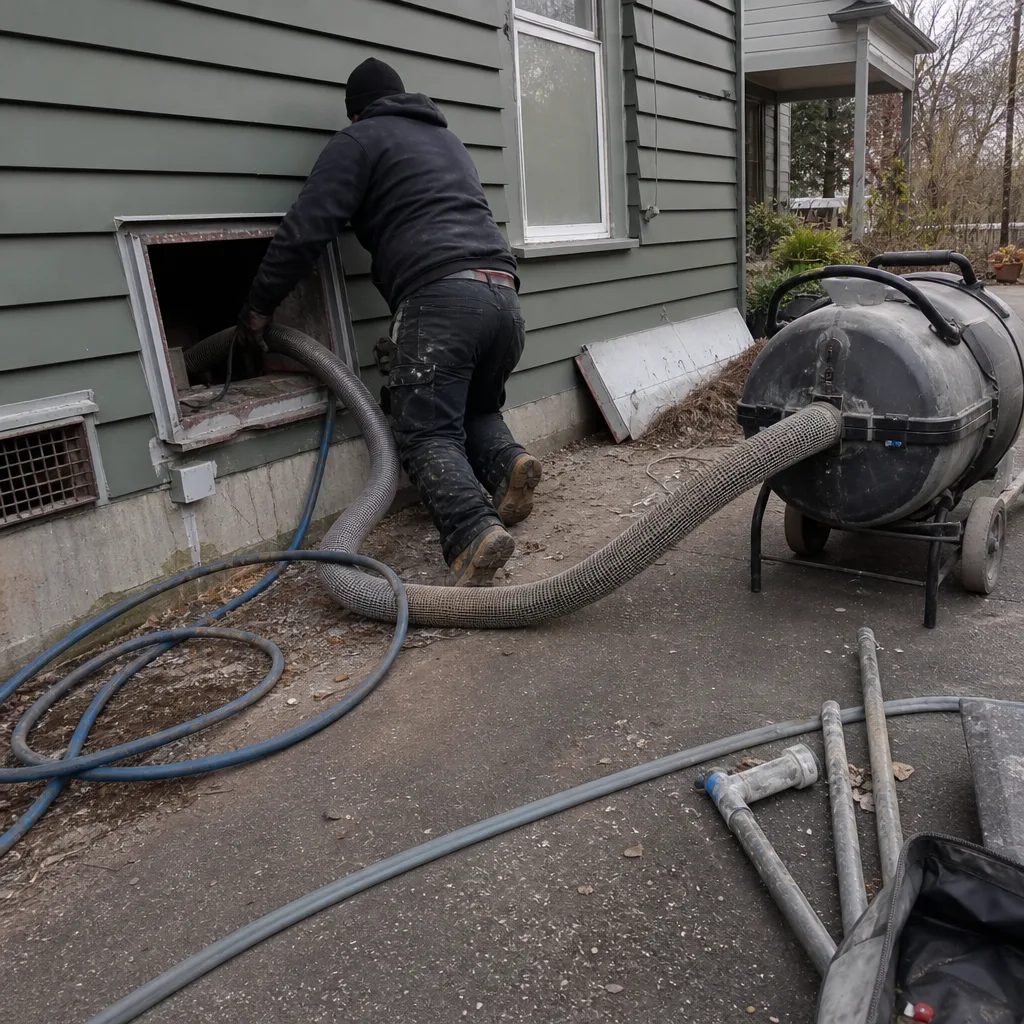 Before
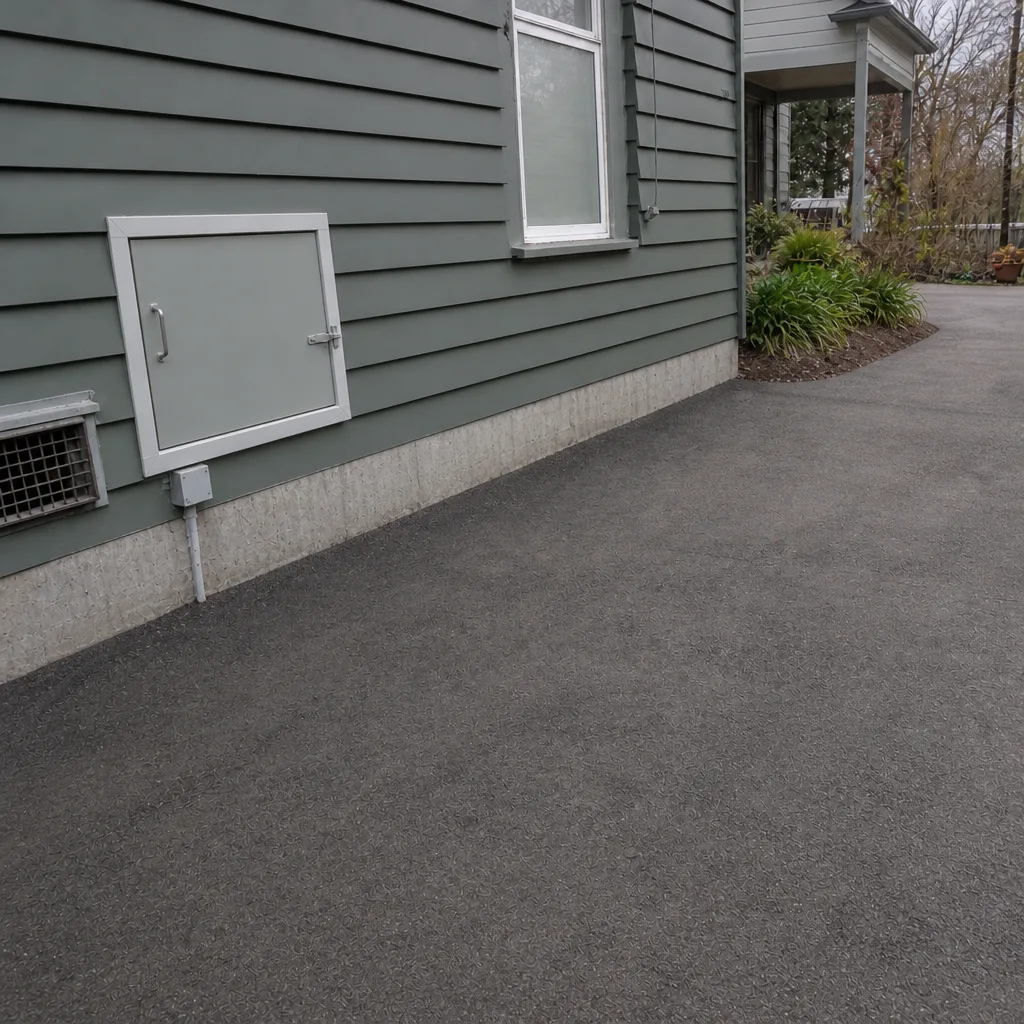 After
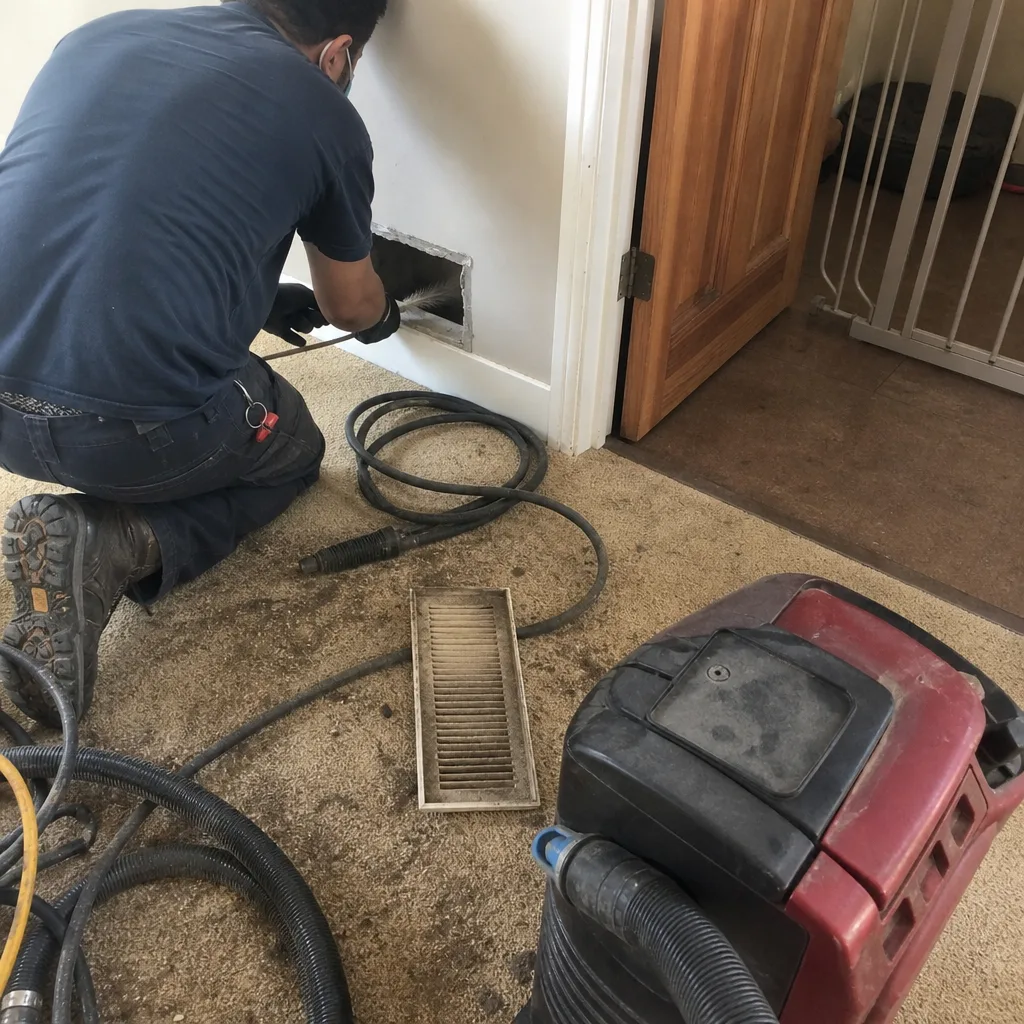 Before
 After
 Before
 After
Frequently Asked Questions
Most Queen Anne homes need professional duct cleaning every three to five years, and homes with pets, allergy-sensitive occupants, recent renovations, or unknown duct history often need it sooner. The checklist above is what tells you which category your home falls into. If your filter loading rate has been stable and your registers aren’t showing discharge or odor, you can extend the interval. If any of those are trending, schedule the visit. Call (833) 736-3635 for a free estimate.
No, a shop vacuum isn’t adequate for duct cleaning. Consumer vacuums lack the airflow to remove settled material from a duct wall, and they can redistribute fine particulate into the living space rather than containing it. Professional equipment from Rotobrush and Nikro is purpose-built for agitation and extraction, and Abatement Technologies filtration is what keeps the work area contained. Call (833) 736-3635 to schedule a free estimate.
Pricing is set per job by the written estimate, because system size, number of runs, and whether repair and sealing are needed vary enough that a flat quote doesn’t hold up. We give you one flat price per system agreed before work starts, and estimates are free. Call (833) 736-3635 for an exact quote on your home.
Cheap quotes usually reflect surface cleaning with consumer-grade equipment, without an inspection for leaky joints, without verifying the work, or without repairing the source. A cleaning without a repair assessment is a cleaning you’ll repeat. We use professional extraction equipment and provide before-and-after photos of your own ducts so you can see what was actually removed. Call (833) 736-3635 for a free estimate.
Ask for before-and-after photos of your own duct runs, not stock photos or a general description. We take both, and we’ll walk you through what we removed and what condition the duct was in. If the visit included repair and sealing, ask for the after-condition of the sealed joints too. Call (833) 736-3635 to book a free estimate.
Yes. Queen Anne’s October-to-March wet season is when condensation-related growth risk peaks, and it’s the period most likely to produce a musty odor on startup or a faster filter loading rate. That’s why the checklist has a specific October and March set of items. If your system shows any of those seasonal signs, schedule the visit before the season ends. Call (833) 736-3635 for a free estimate.
The Bottom Line
A duct maintenance checklist is only useful if it separates what you can observe from what needs equipment to find. For Queen Anne homeowners, that means tracking the five observable indicators, watching filter loading rate as the leading signal, using the October-to-March seasonal checklist to catch condensation-related risk early, logging findings so a pattern is visible, and sorting those findings into call-now versus wait. If your log points to a professional visit, one call covers the full system: cleaning, HVAC, dryer vent, repair and sealing, and sanitizing, and it’s booked around a free written estimate. Call (833) 736-3635 for a free estimate. Explore our core pages for dryer vent cleaning, the parent Air Duct Cleaning Queen Anne service, and the full range of HVAC cleaning options.
Written by the team at Air Duct Cleaning Queen Anne.